Illustration & Animation
Anime & Animation Sub-genres
If you just say “animation,” the AI usually follows the latest trendy style. Specify the particular era or vibe you want.
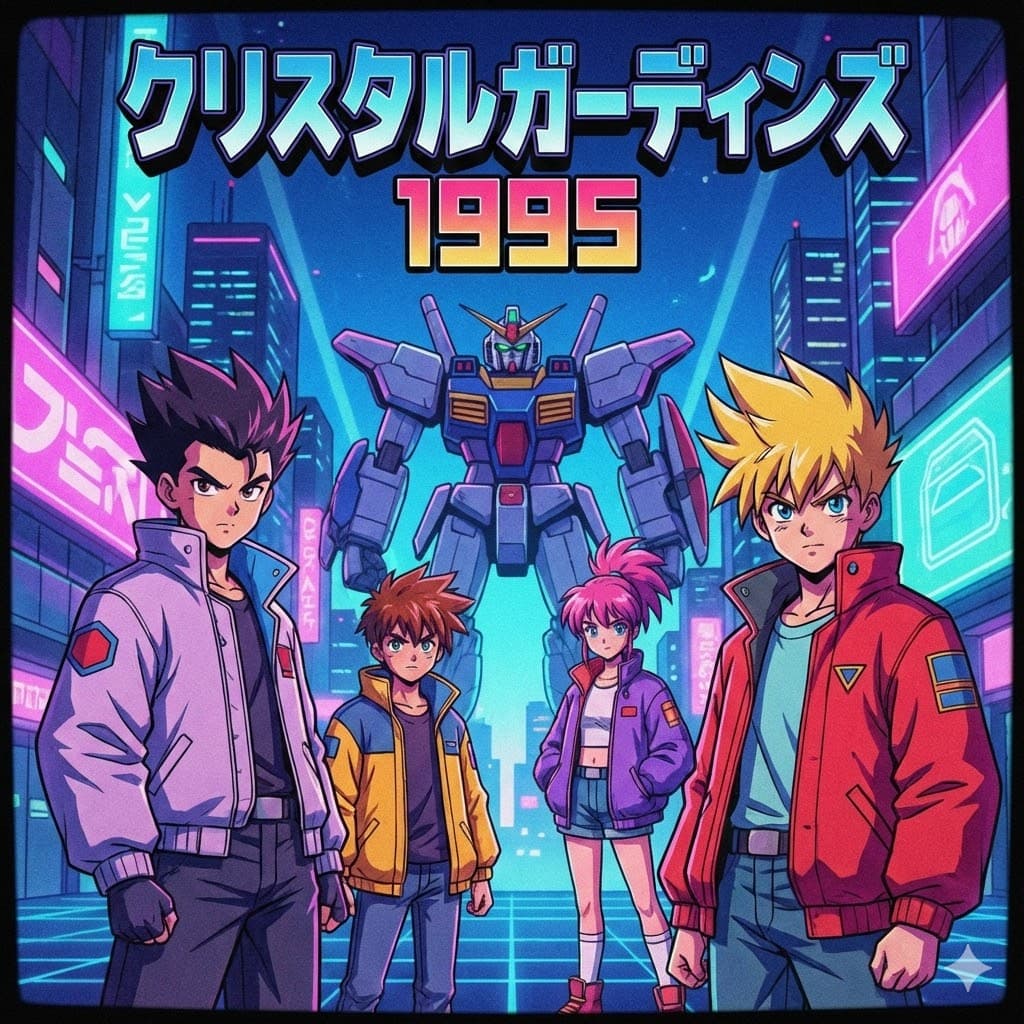
90s cel animation, rough lines and an analog coloring feel
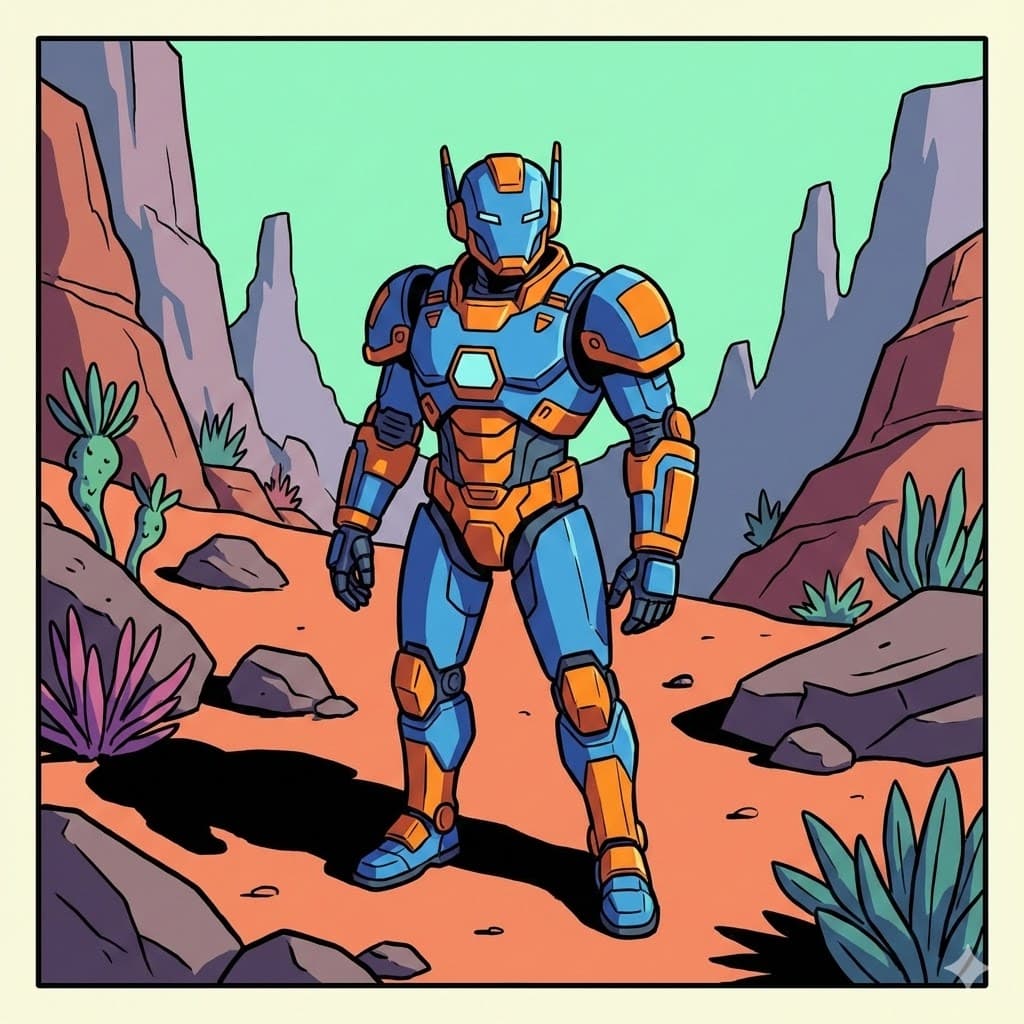
Cel shading, a classic 2D animation coloring method where shadow boundaries are sharply divided
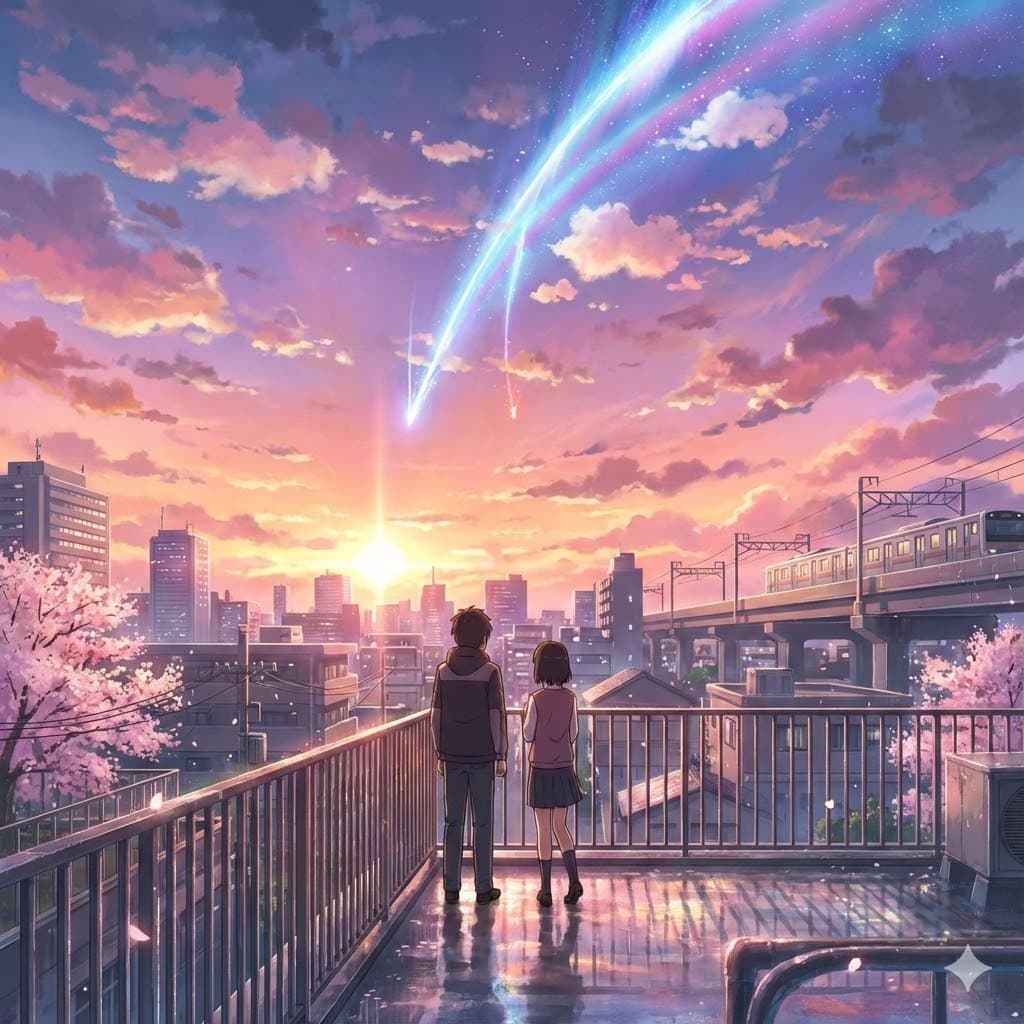
Makoto Shinkai style, background-focused art with pouring light and extremely beautiful cloud rendering
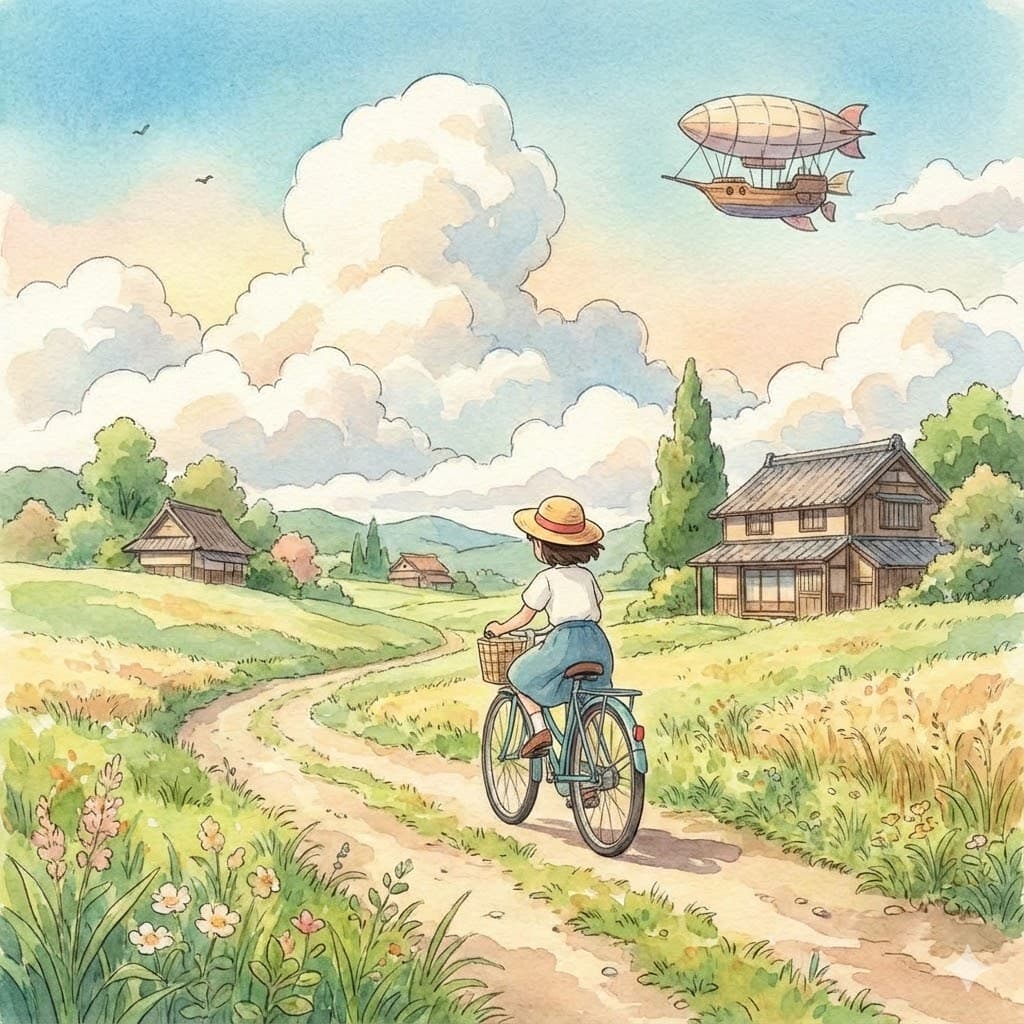
Ghibli style, warm watercolor-like backgrounds with excellent depictions of natural scenery and food
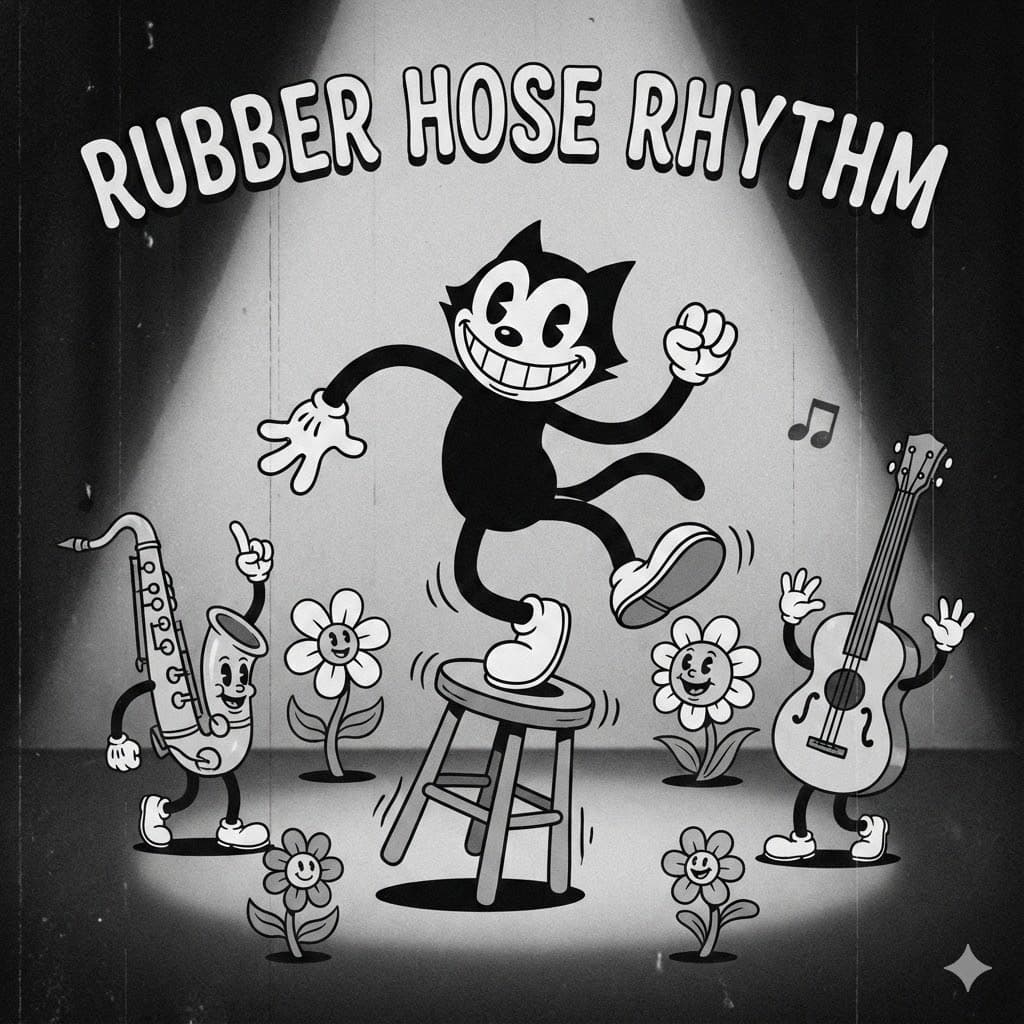
Rubber hose, 1930s black-and-white cartoons with wobbly arms and legs
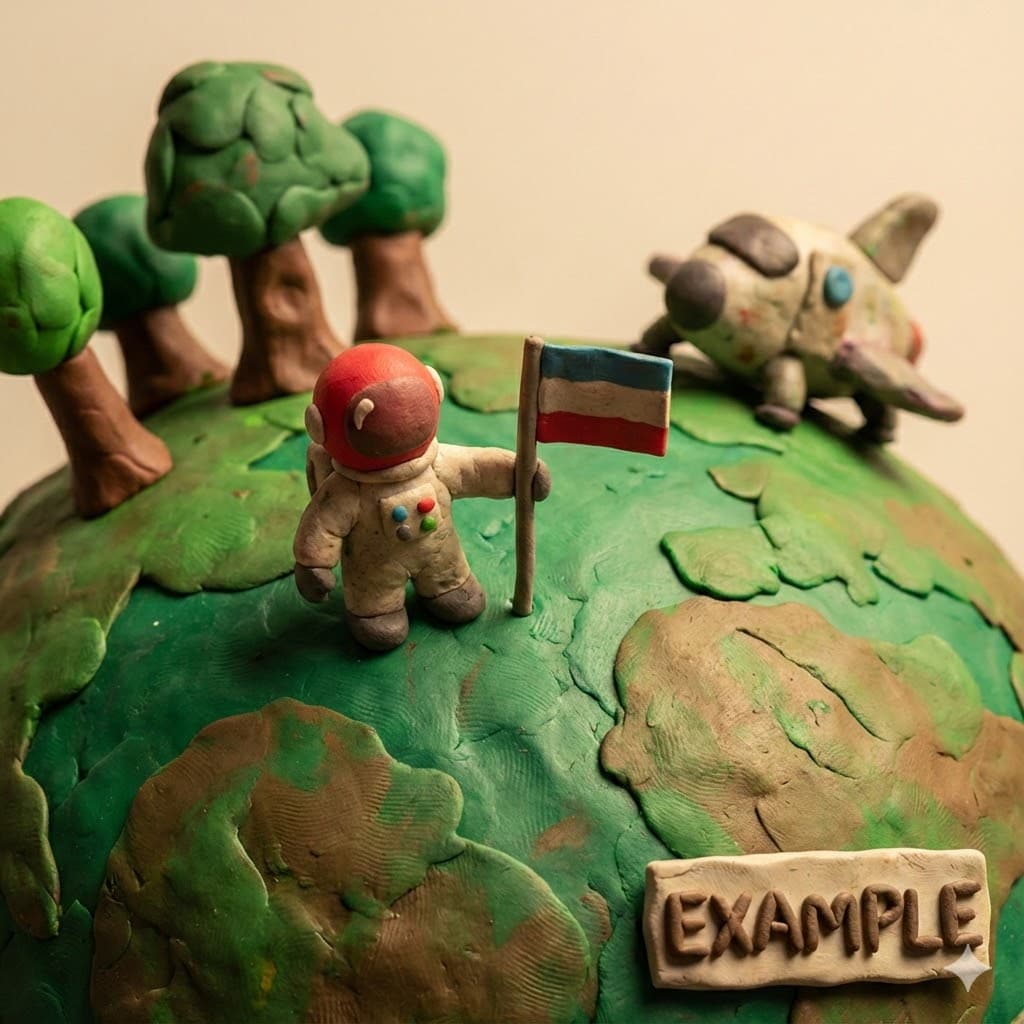
Stop motion/claymation, a style where you can feel the clay texture
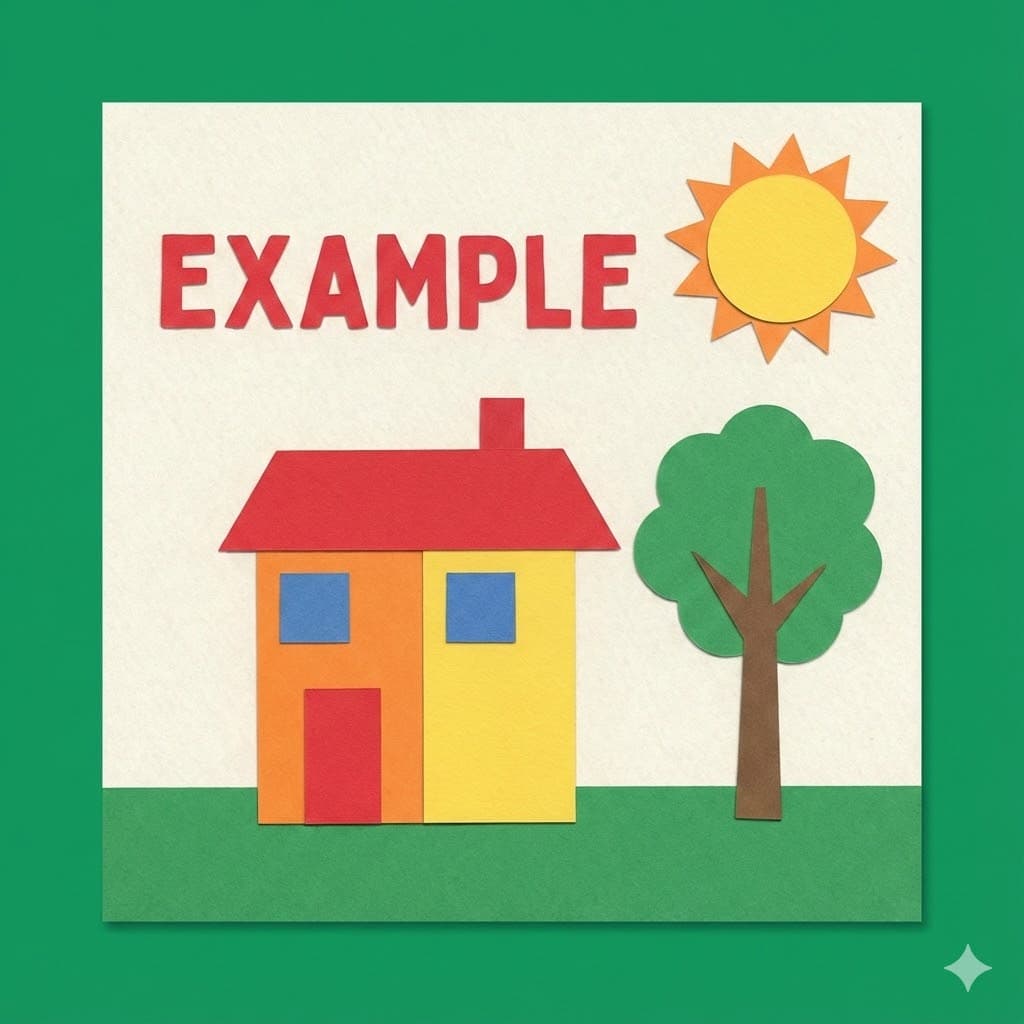
Paper cutout, overlapping layers and shadow effects that look like cut and pasted paper
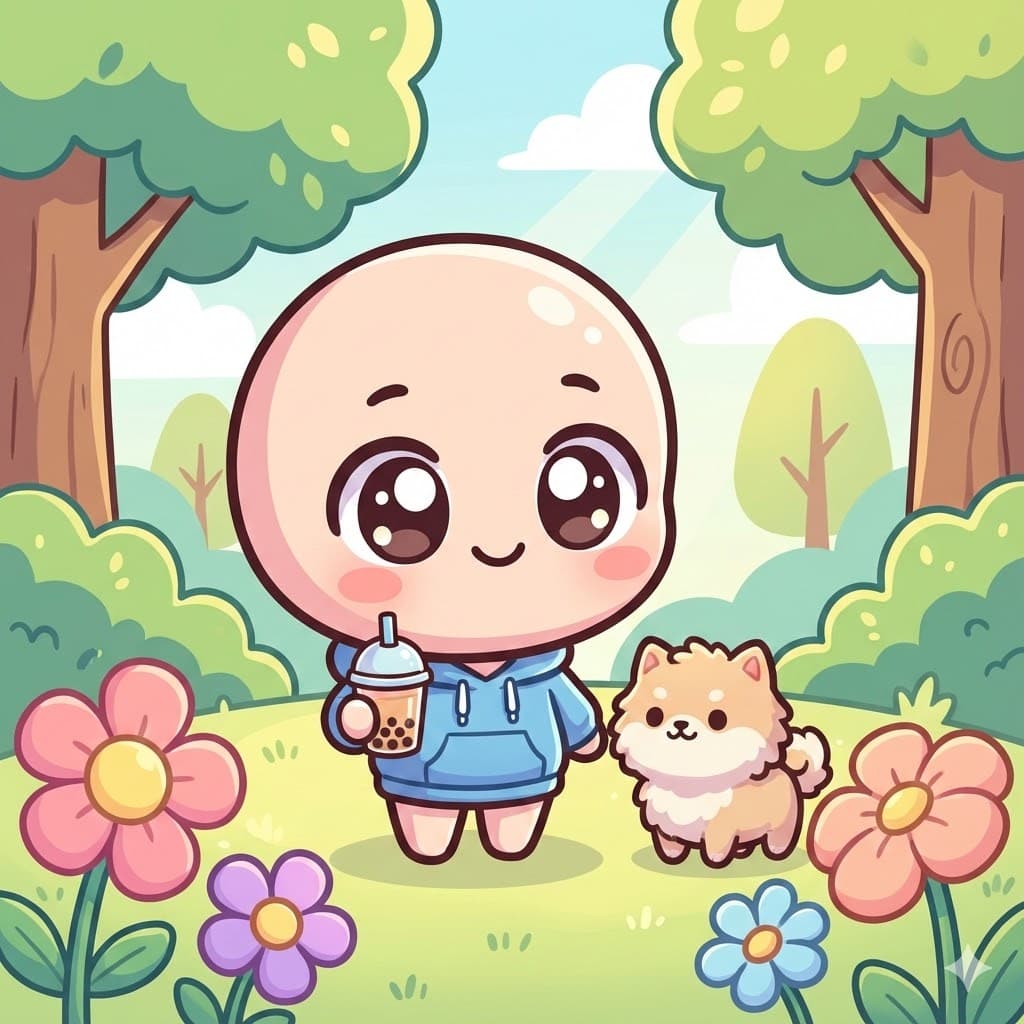
Chibi/SD, characters with big heads and small bodies, about two-heads-tall proportions
Comics & Graphic Novels
This brings out the unique print texture and line quality of published comics.
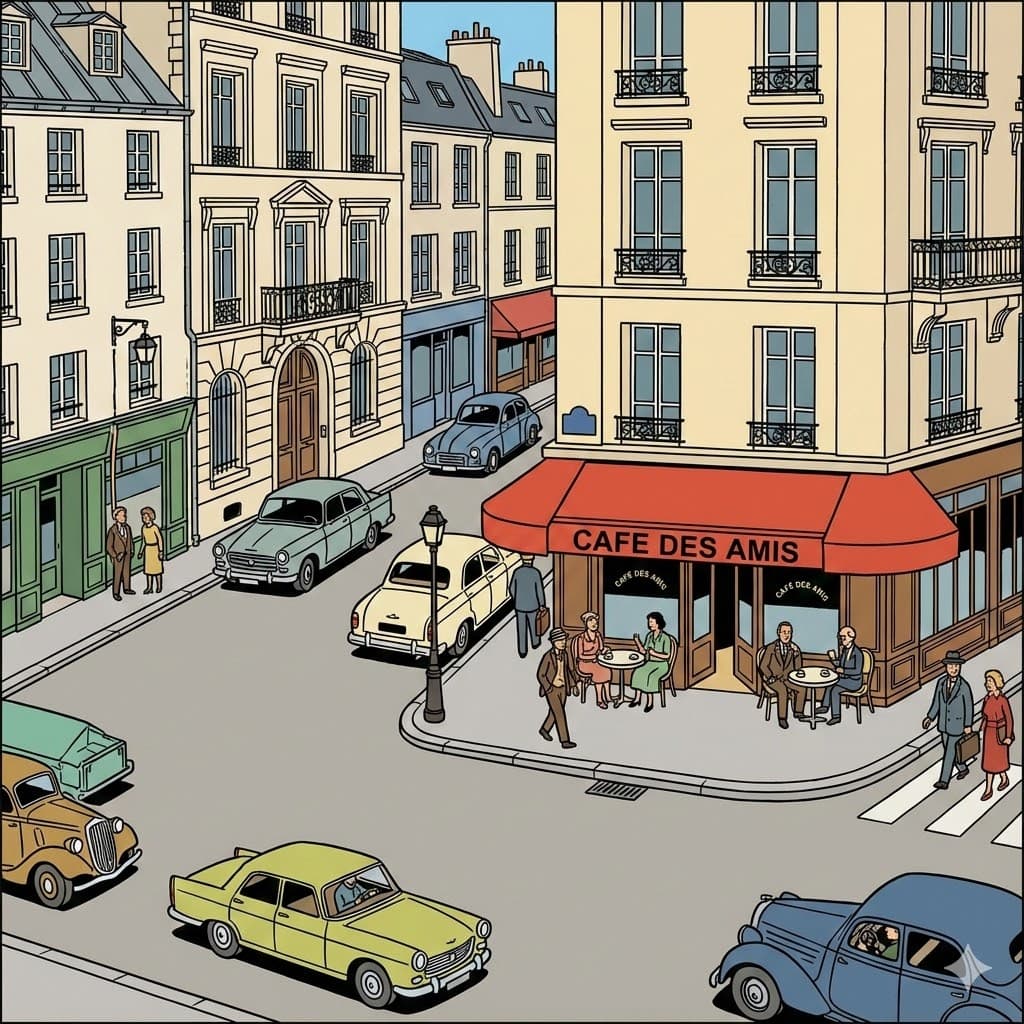
Ligne claire/clear line, a clean European comic style with uniform line thickness and almost no shadows
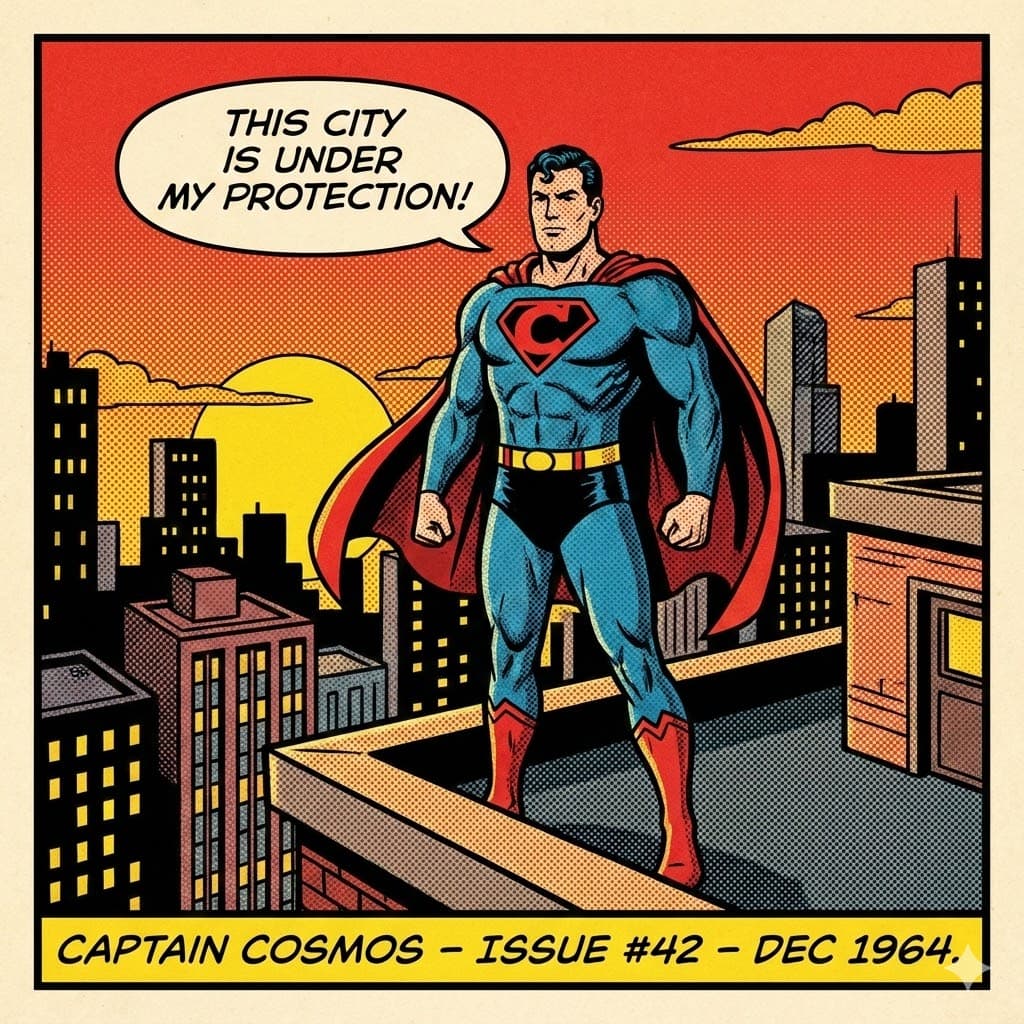
A style with exaggerated muscle rendering and heavy black inking for shadows
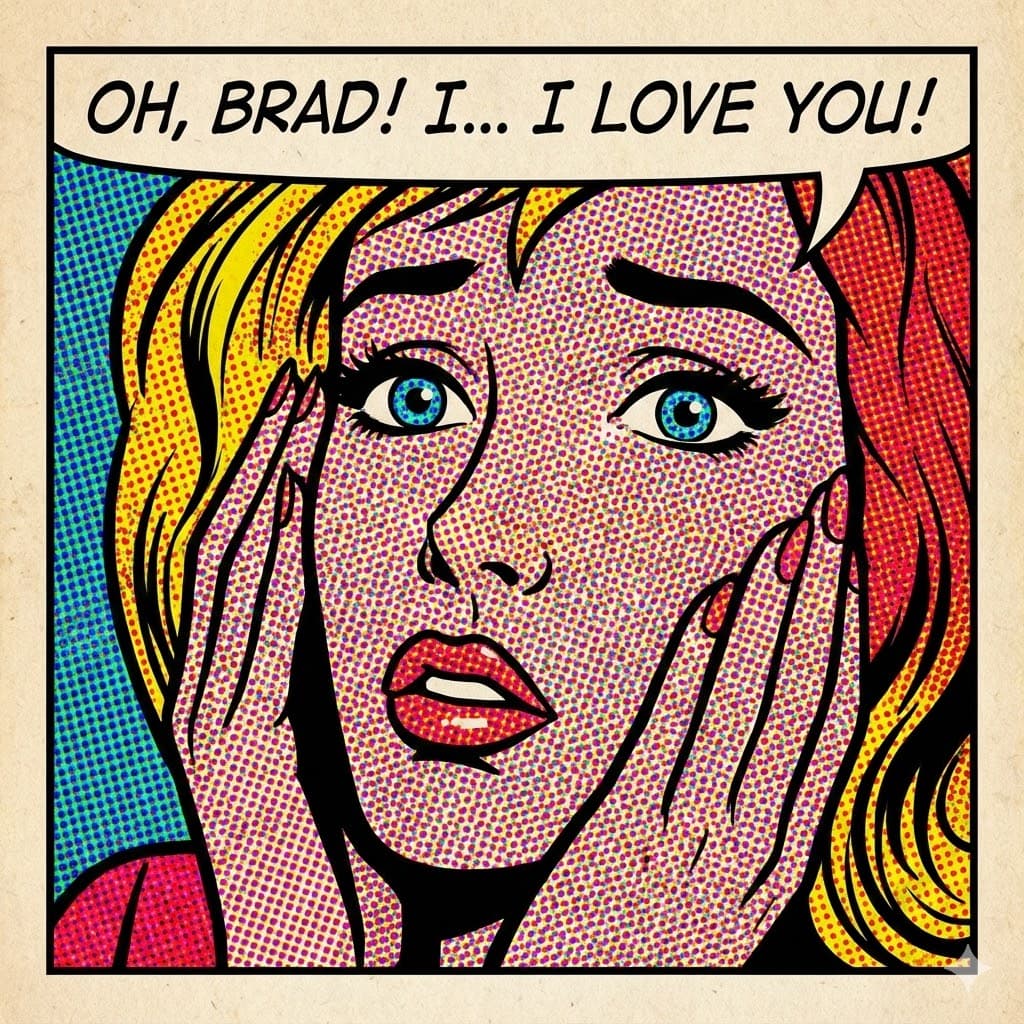
Halftone/Ben-Day dots, a printed look where shading is expressed with dots
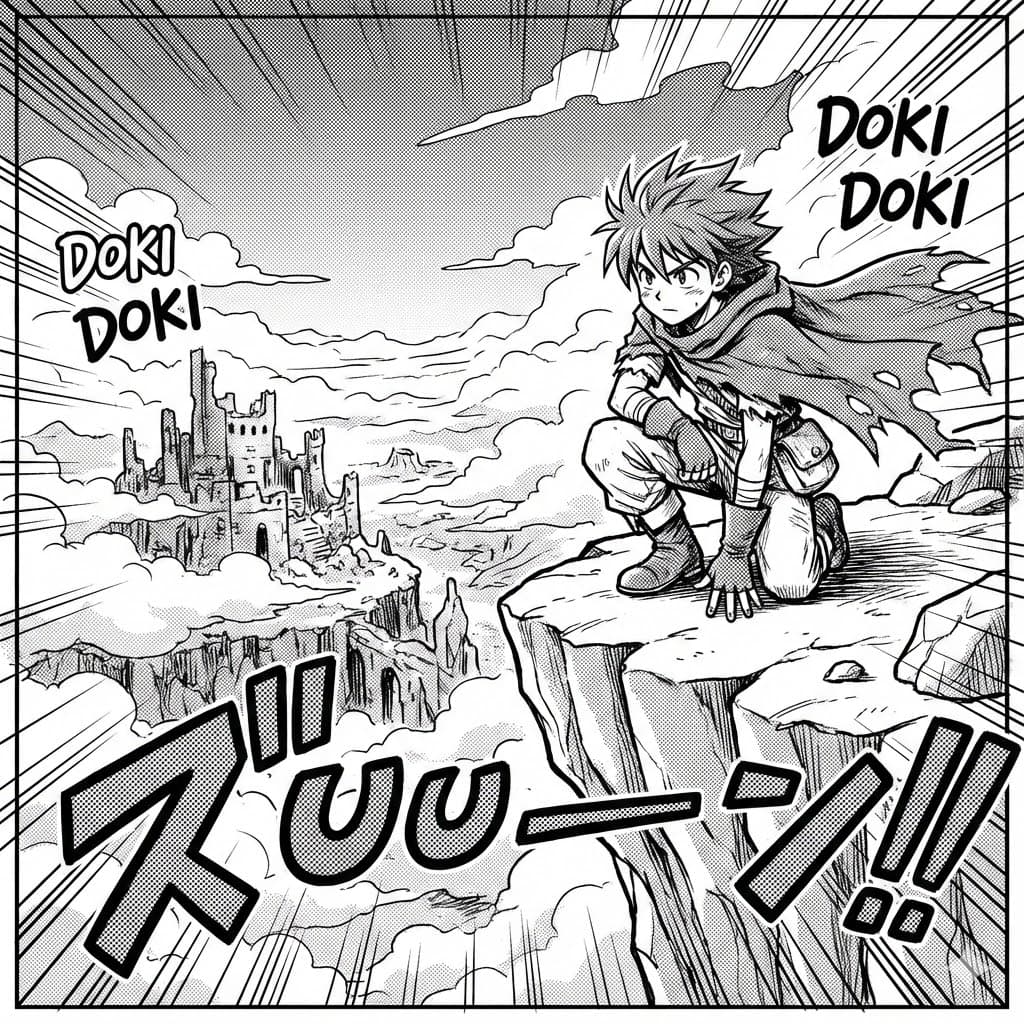
Japanese black-and-white manga style with screen tones and speed lines
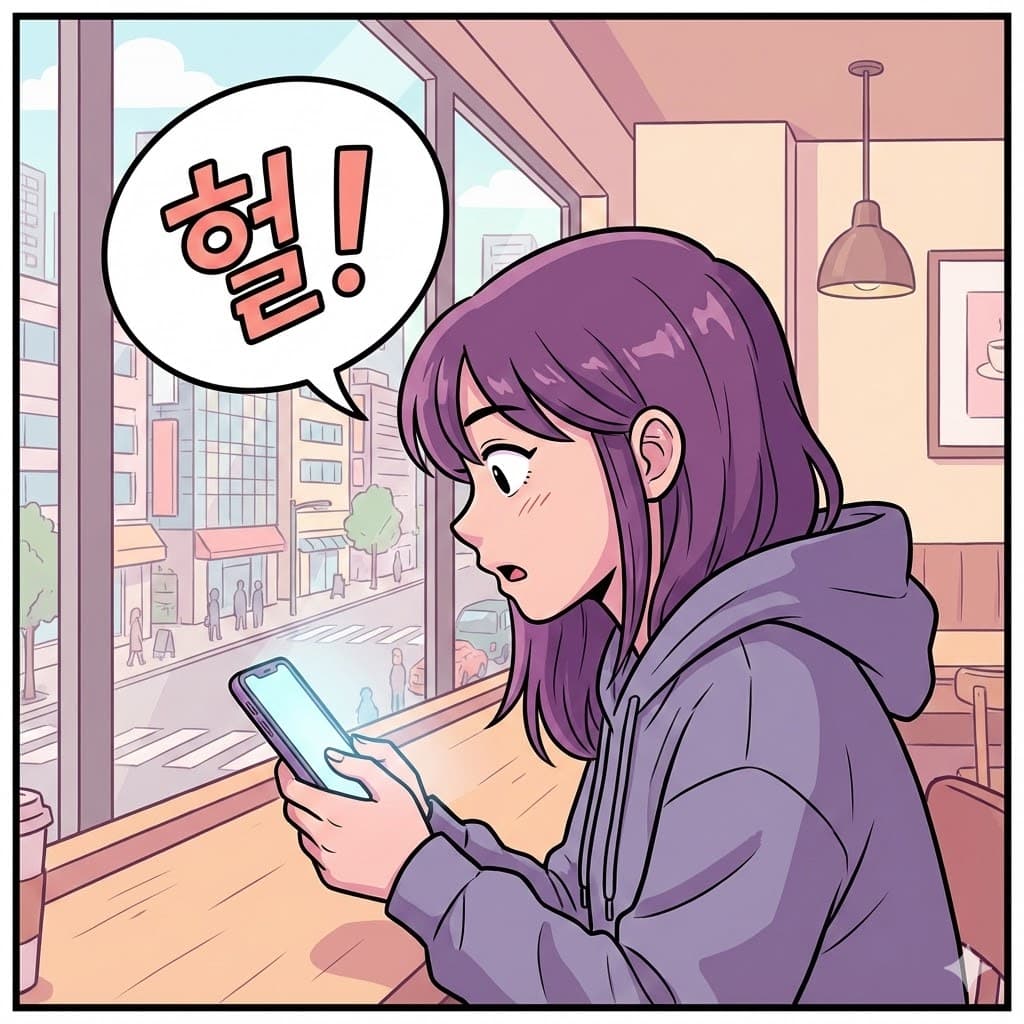
Webtoon, a mostly Korean comic style with clean lines and bright digital coloring optimized for vertical scrolling
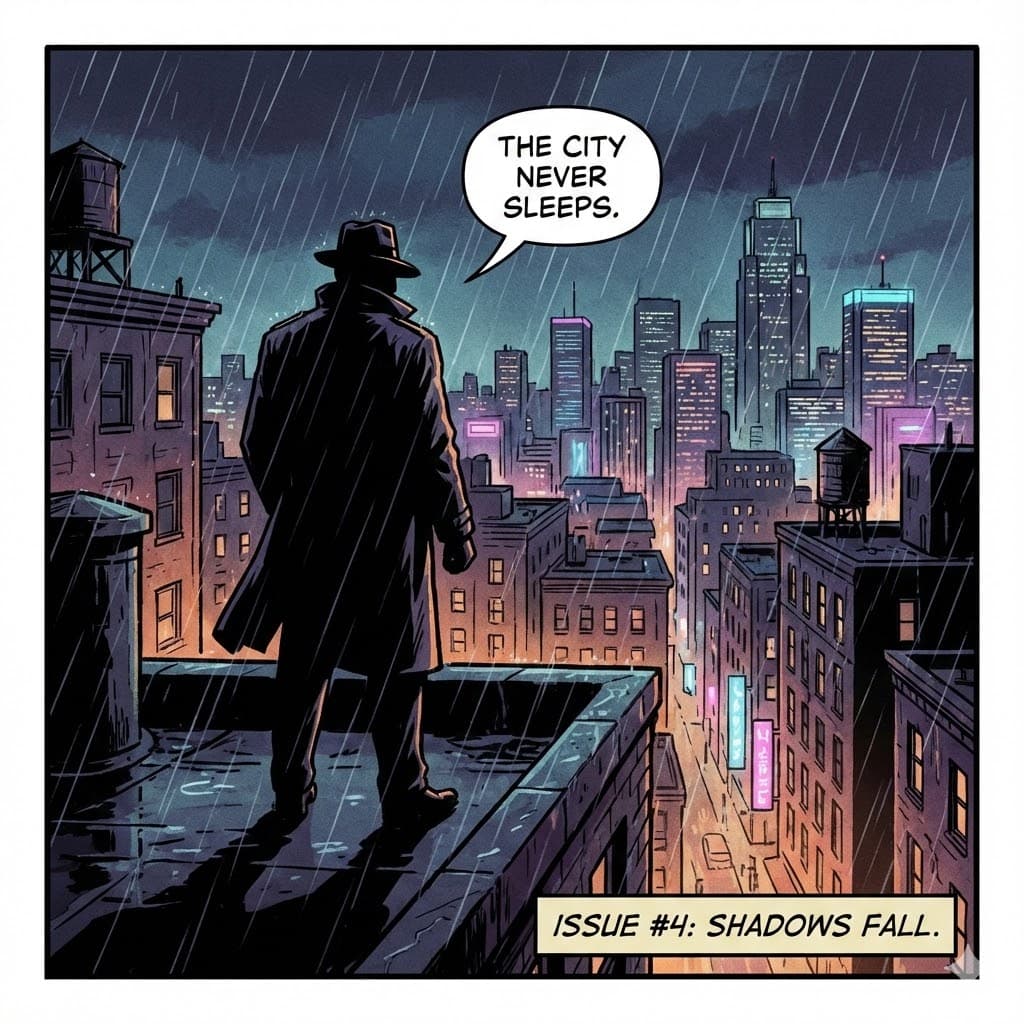
Graphic novel, a serious, heavy-toned comic style with an emphasis on artistry
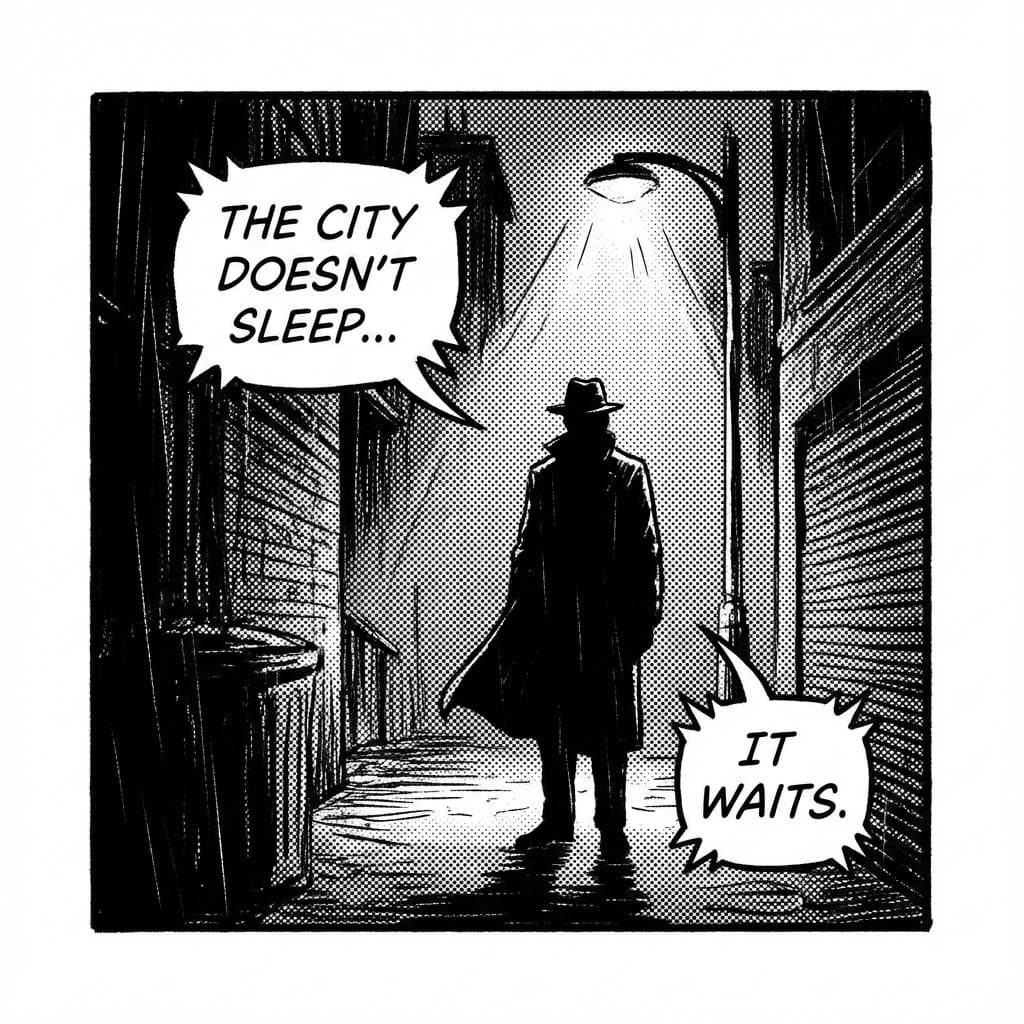
Noir comic, a style with extremely strong black-and-white contrast
Children's Book & Storybook
A soft, cozy, or richly textured picture-book feel.
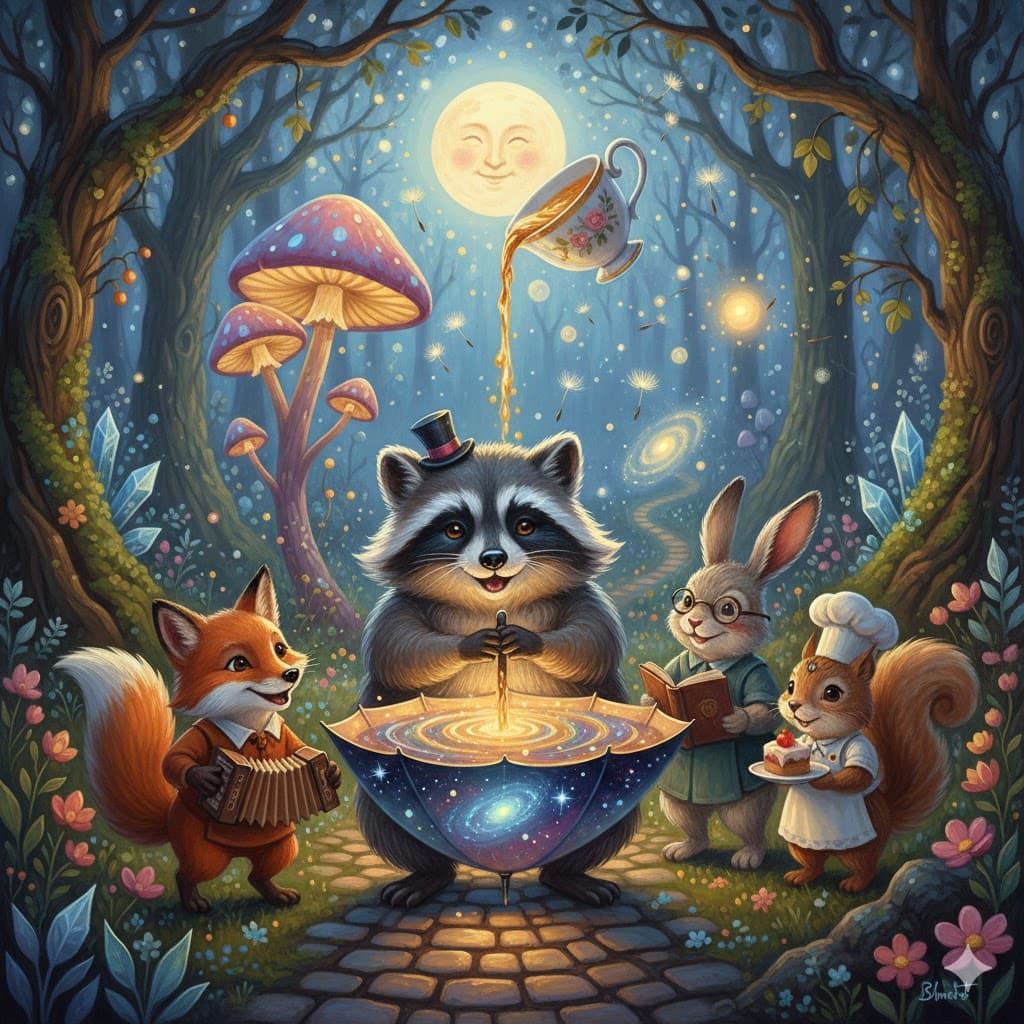
Playful and quirky, full of fairy-tale-like imagination
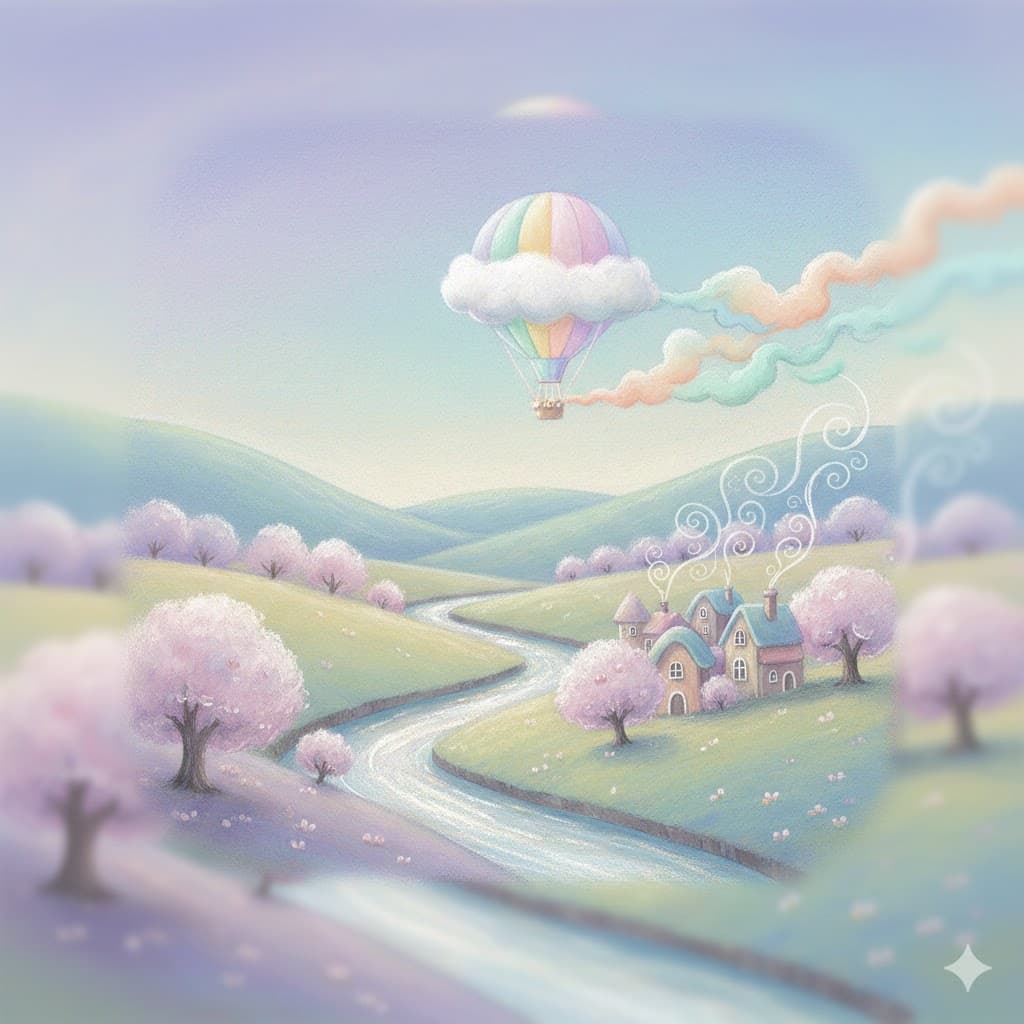
Soft pastel, fluffy and warm color tones
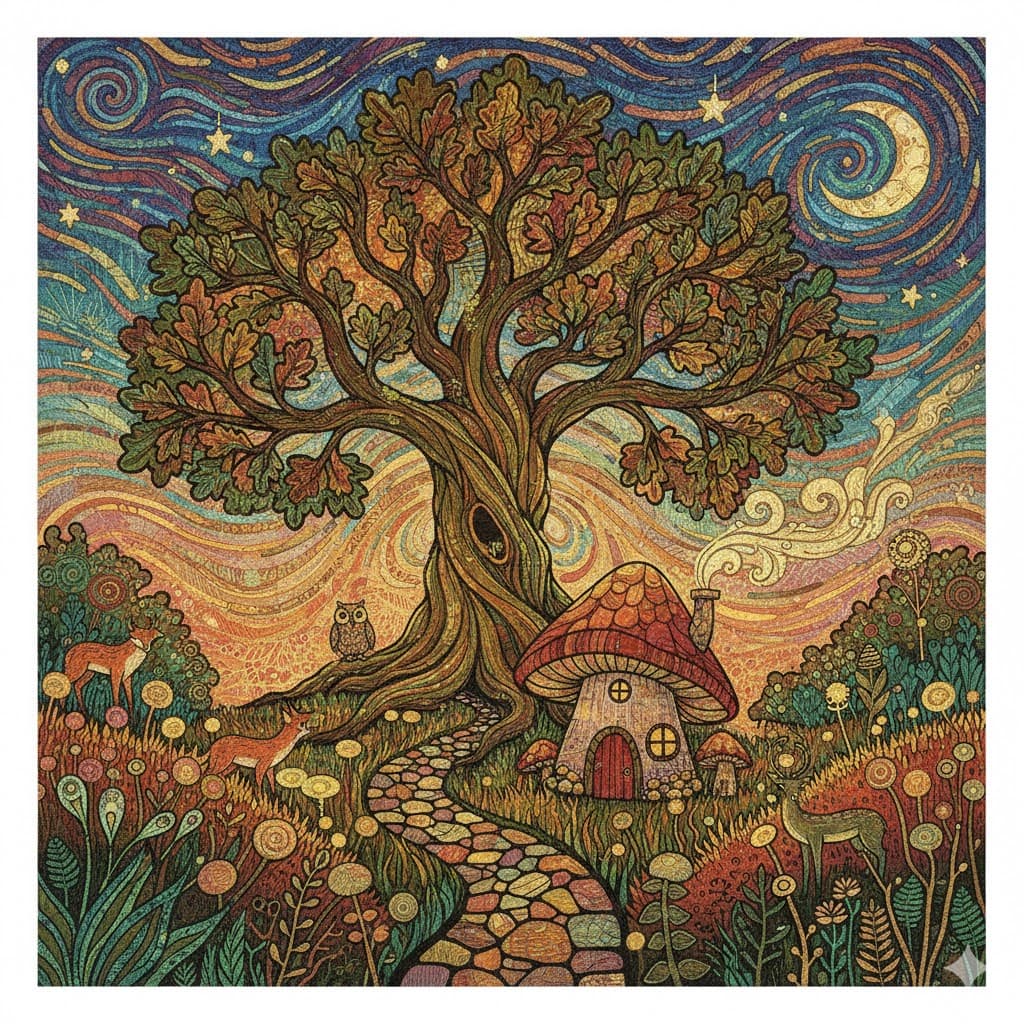
Textured illustration, a cozy style where paper grain or brush marks remain visible
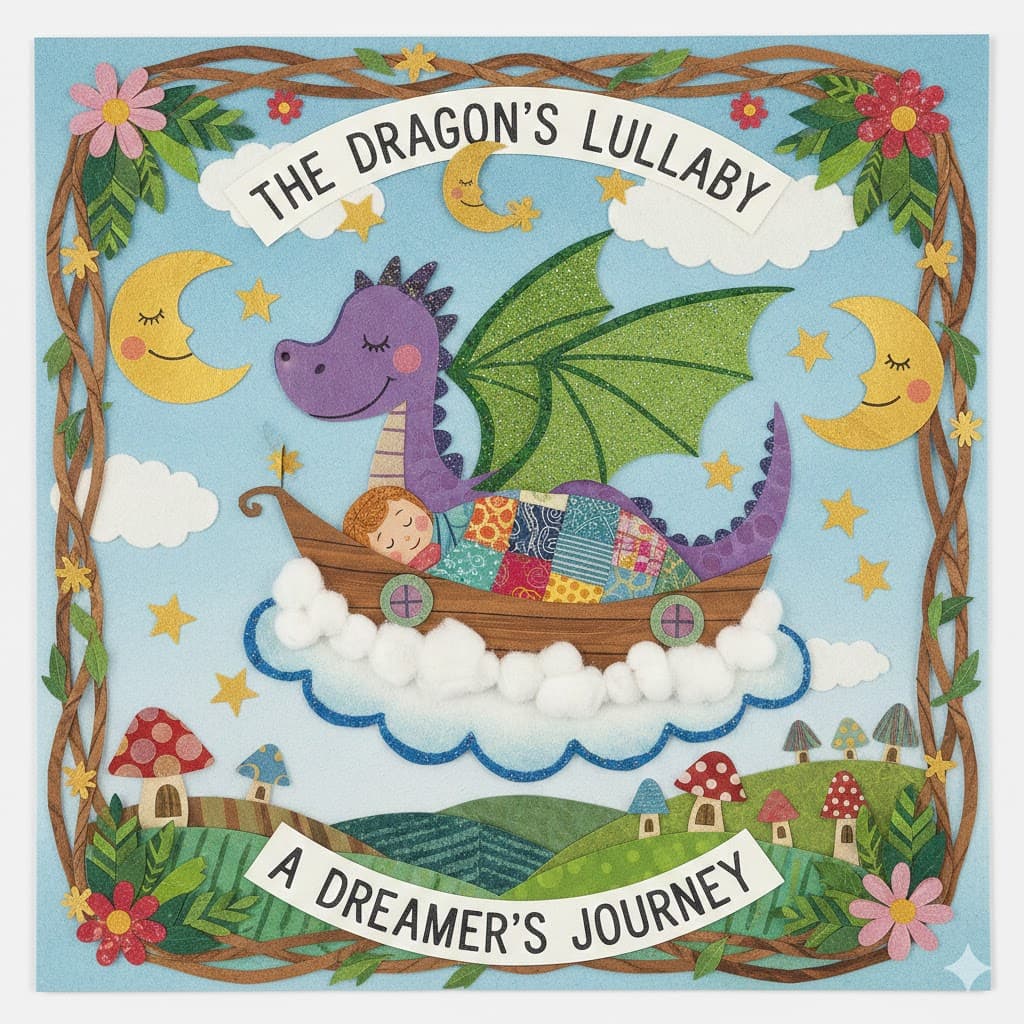
Collage, a look that feels like various papers and materials have been cut and pasted
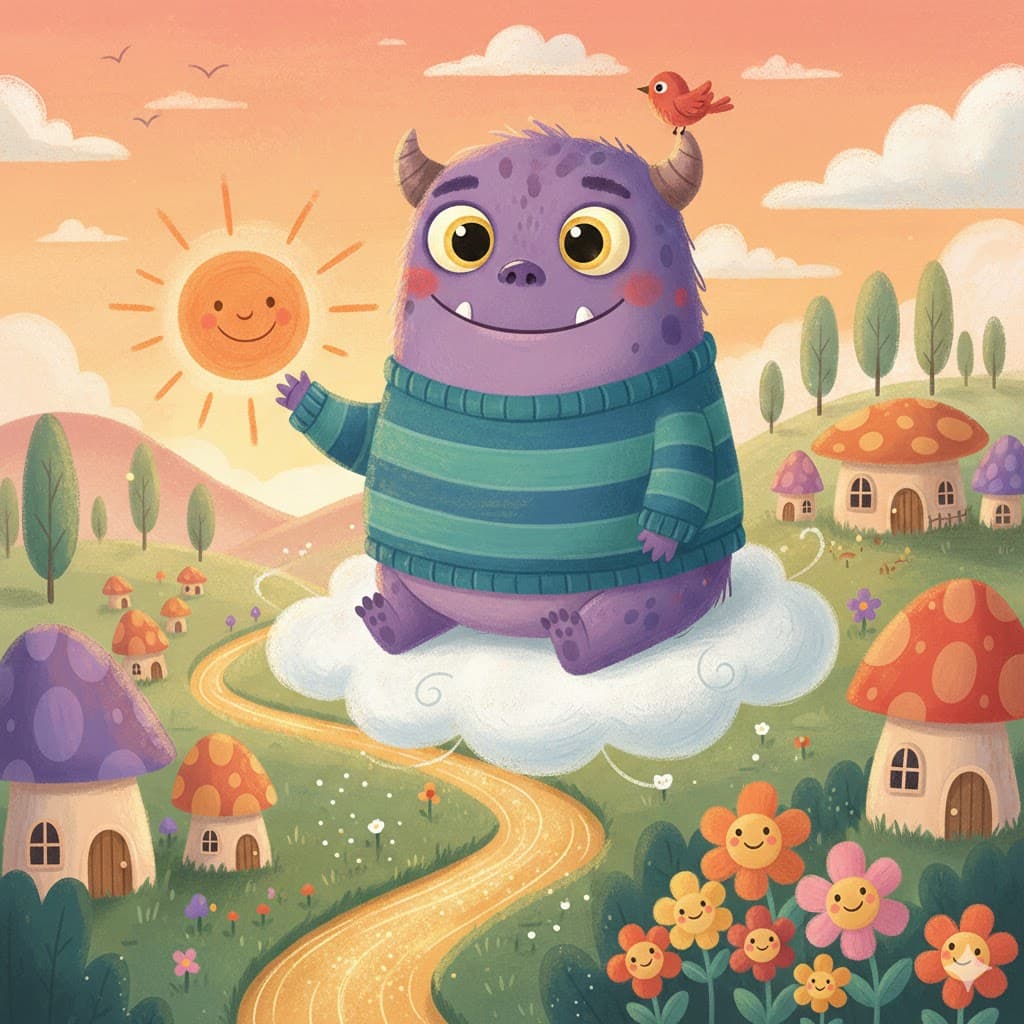
A typical style for picture books aimed at young children
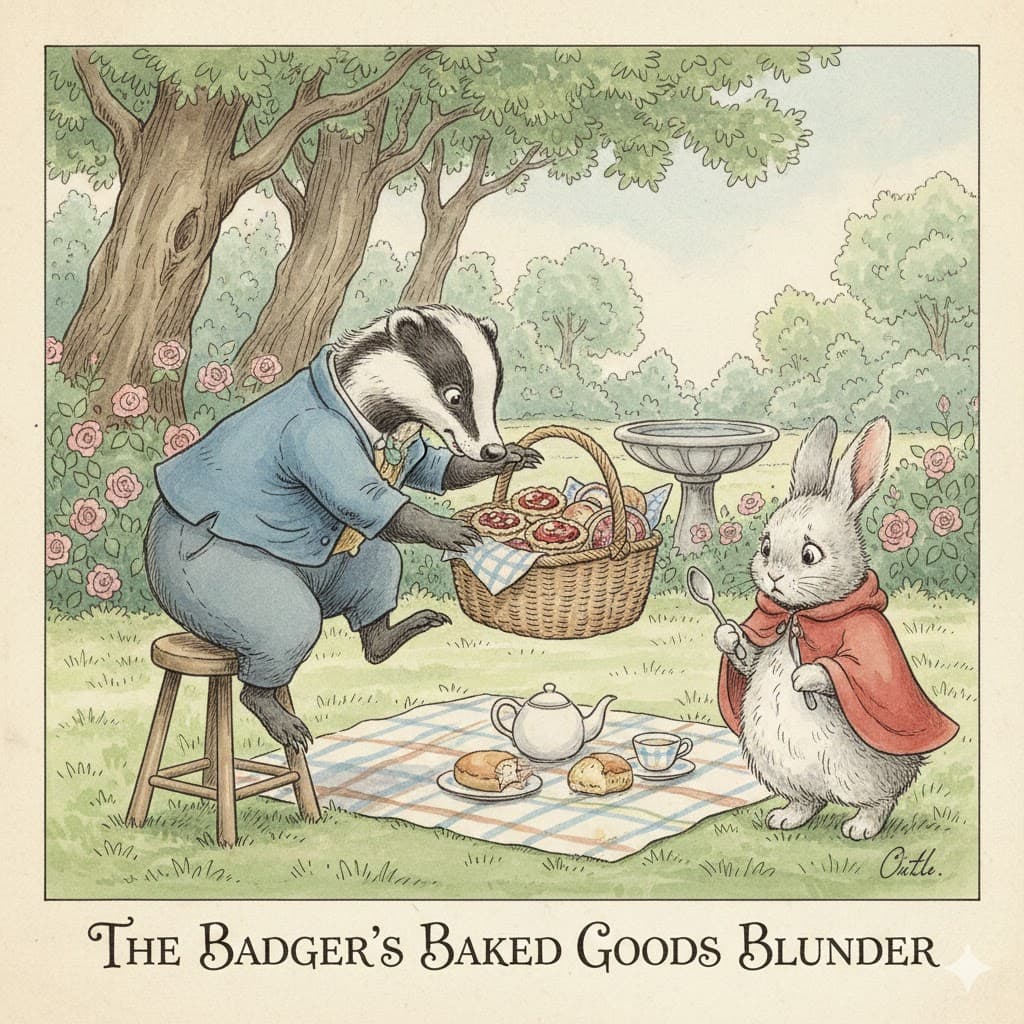
Classic fairy-tale style combining delicate pen work with watercolor
Line & Rendering
The way you handle lines completely changes the feel of the drawing.
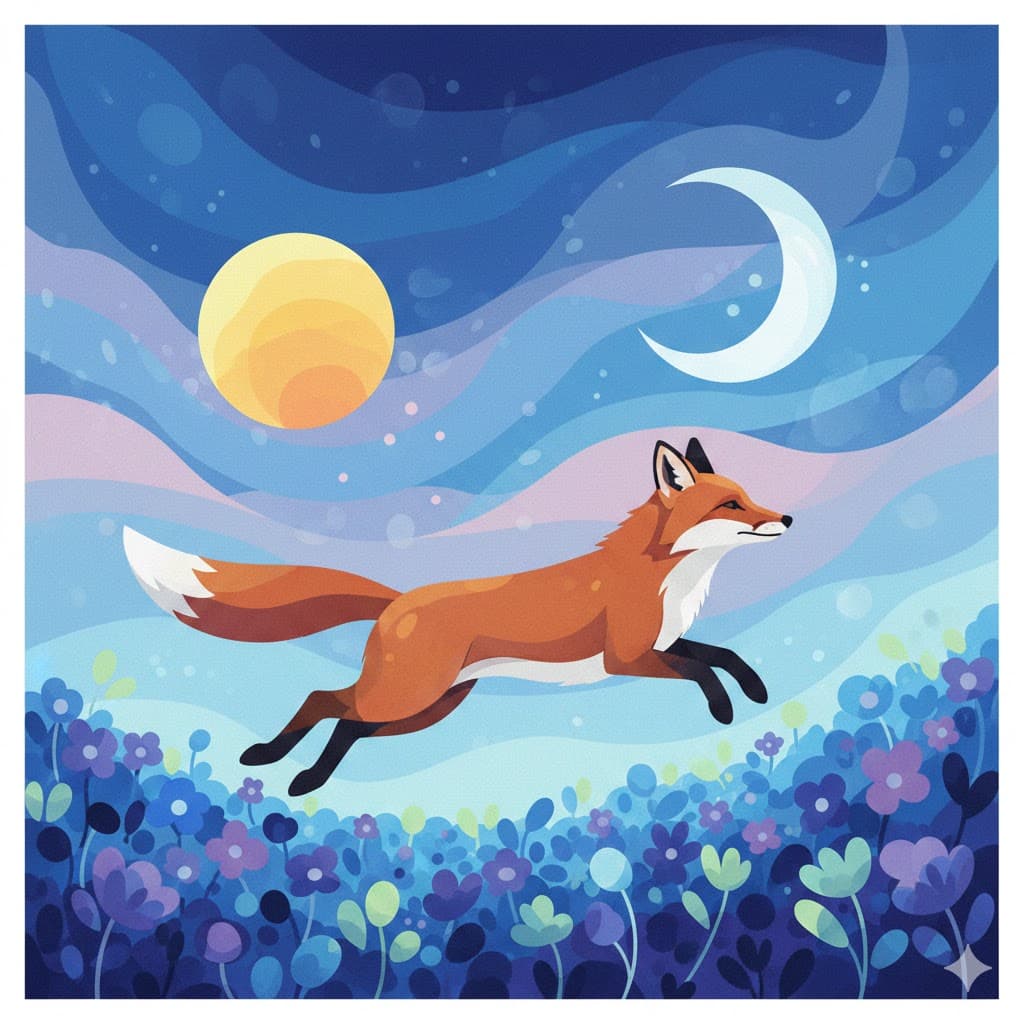
Lineless, a clean style that separates forms using only color shapes without outlines
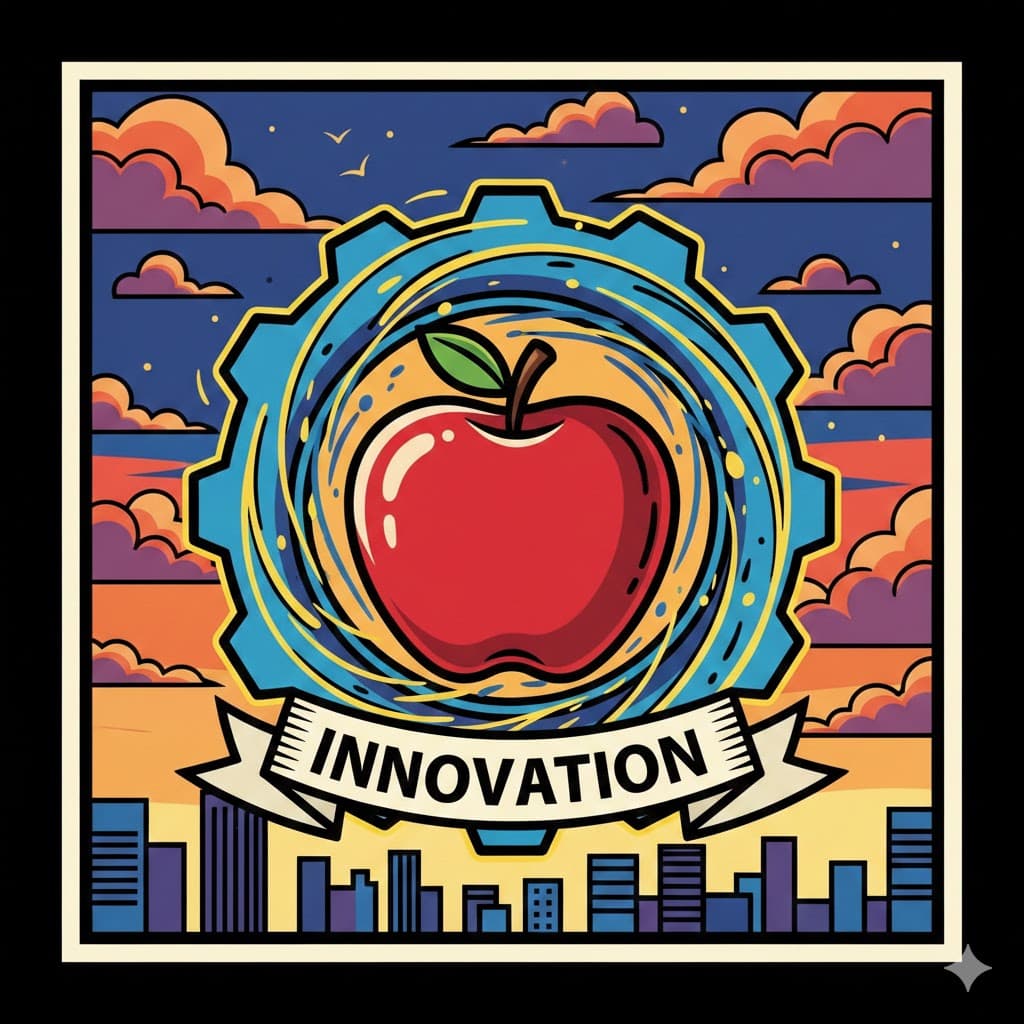
Thick outlines, a poppy, eye-catching style like stickers or Cartoon Network animations
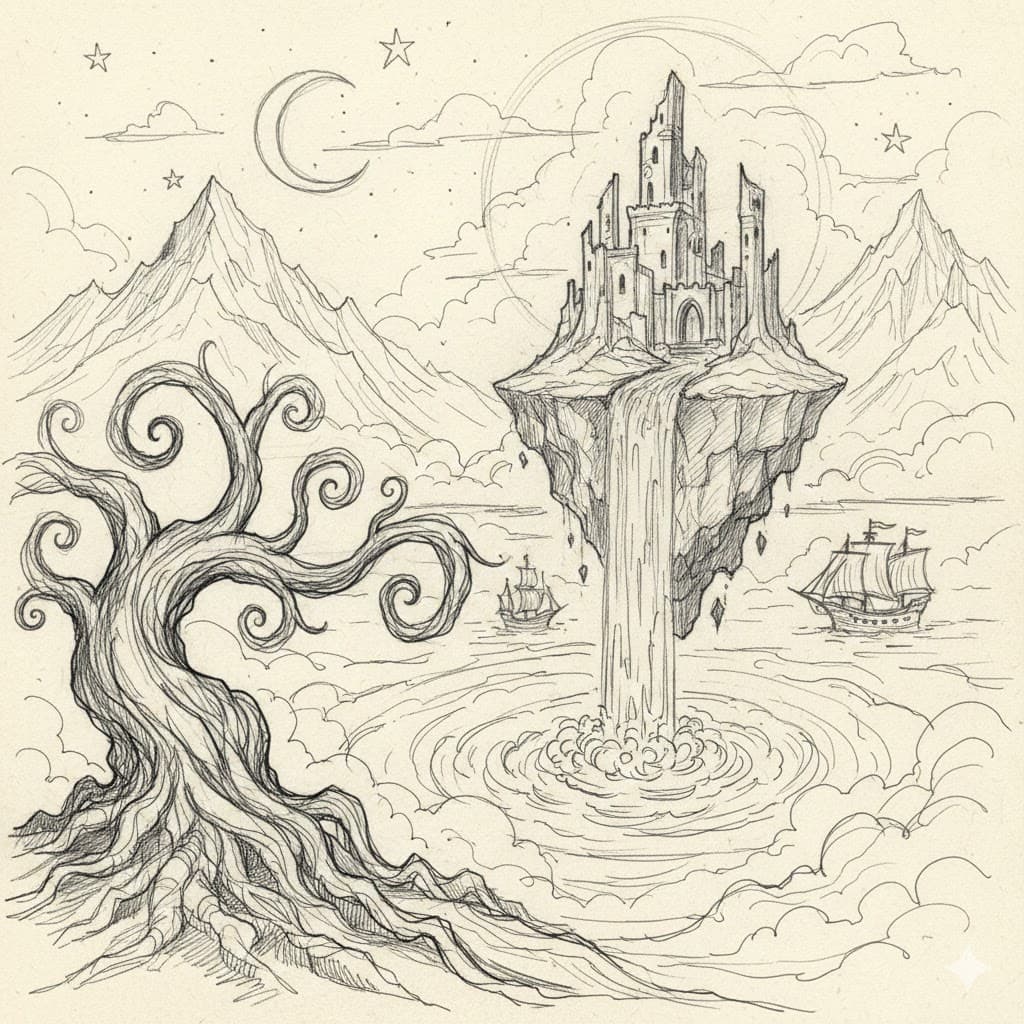
Sketchy lines, an unrefined, freewheeling feel like casual doodles
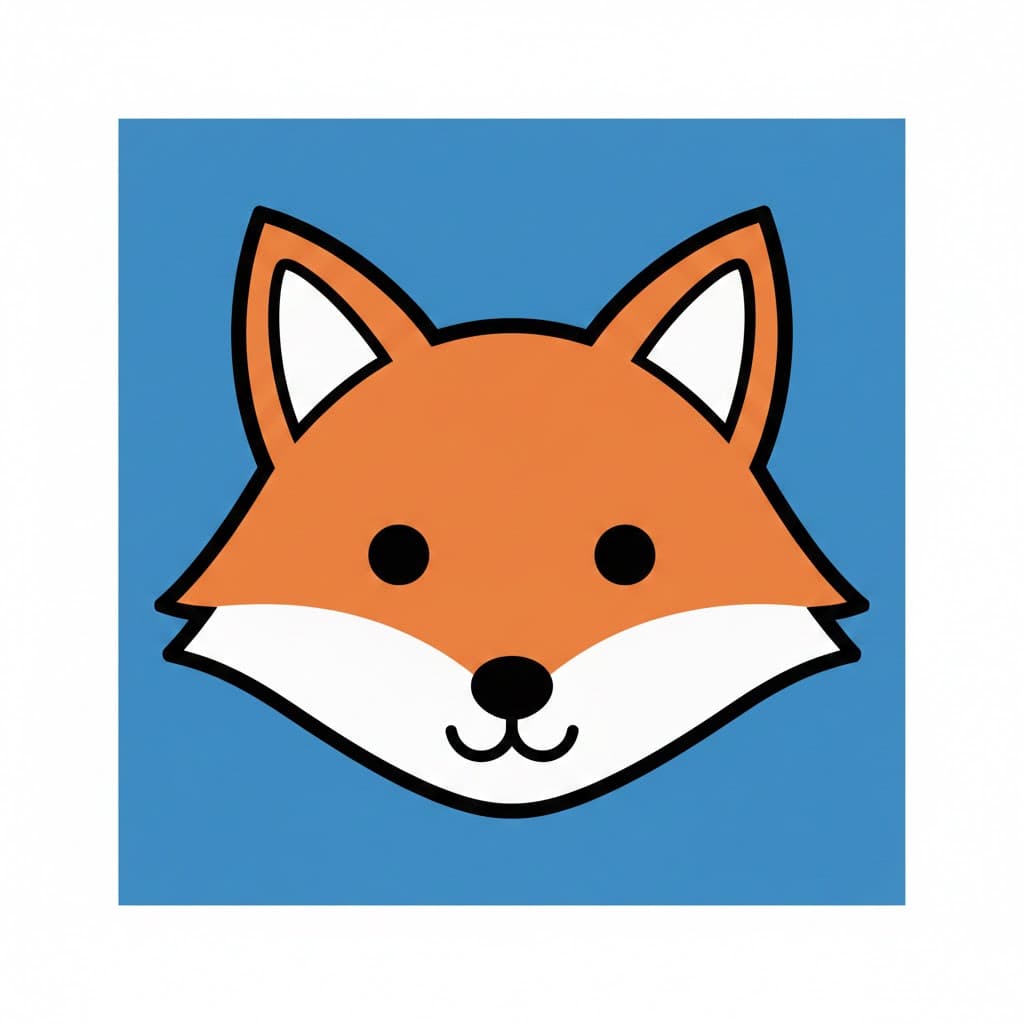
Flat color, a simple style filled with solid colors without shading or gradients
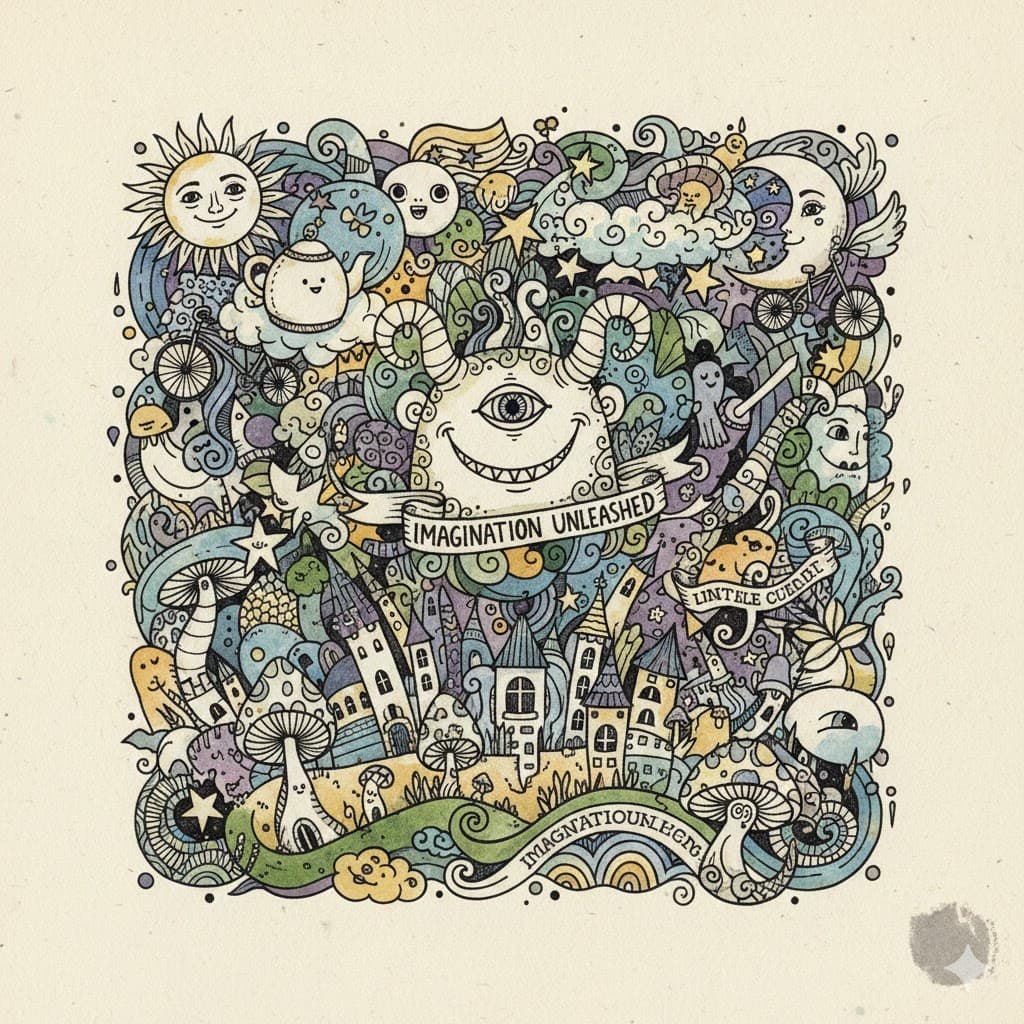
Doodle, dense and cute scribble patterns like what you’d draw in the corner of a notebook
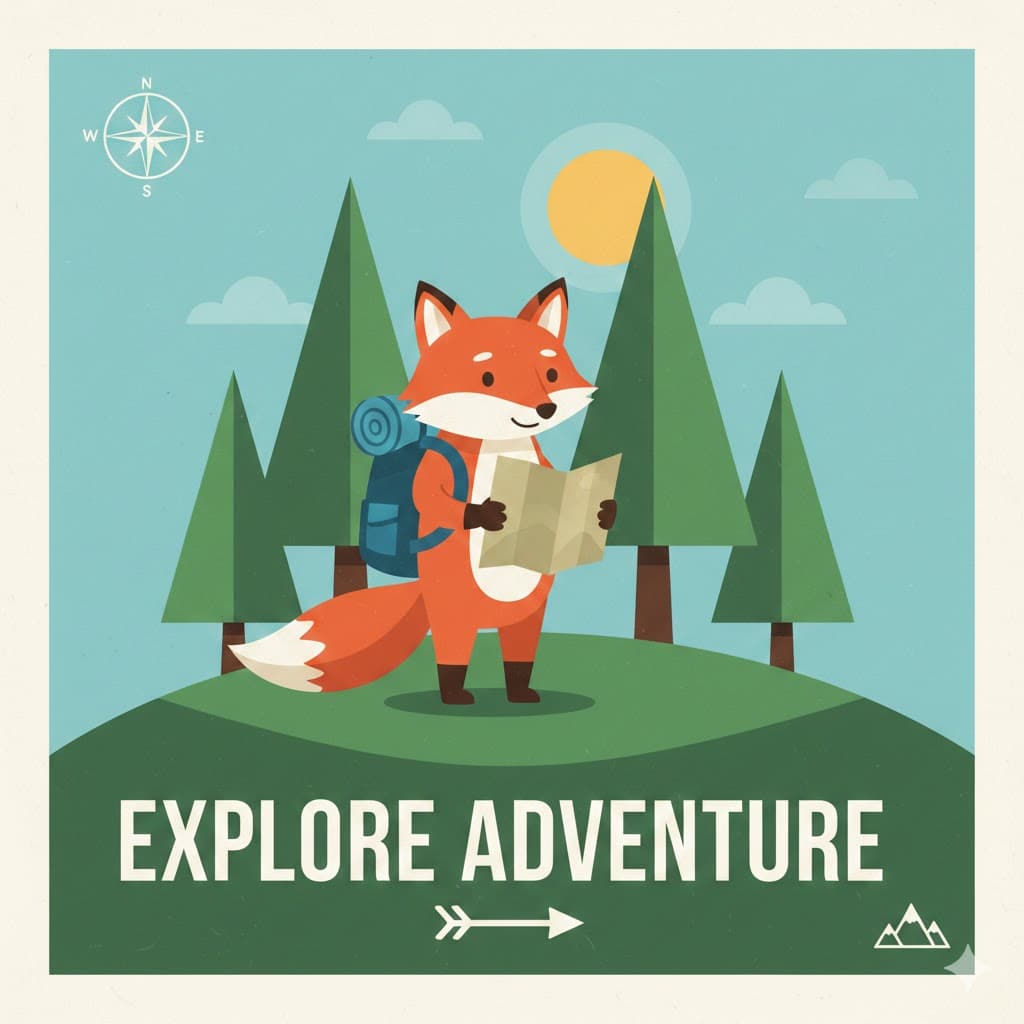
Vector illustration, very smooth digital artwork that looks like it was drawn in Adobe Illustrator
Concept Art & Design
These are professional styles used for commercial purposes or in game development stages.
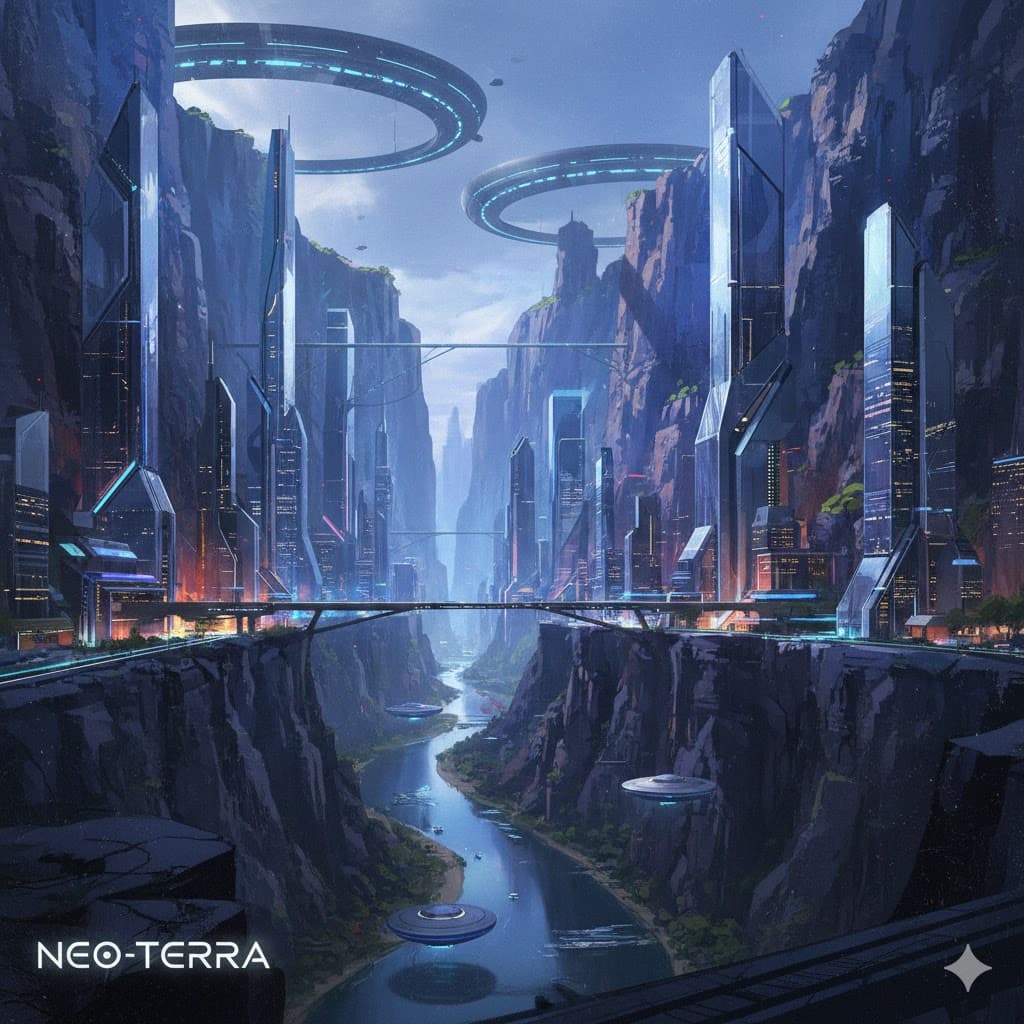
Concept art, painterly digital painting used to show the mood and design of a film or game
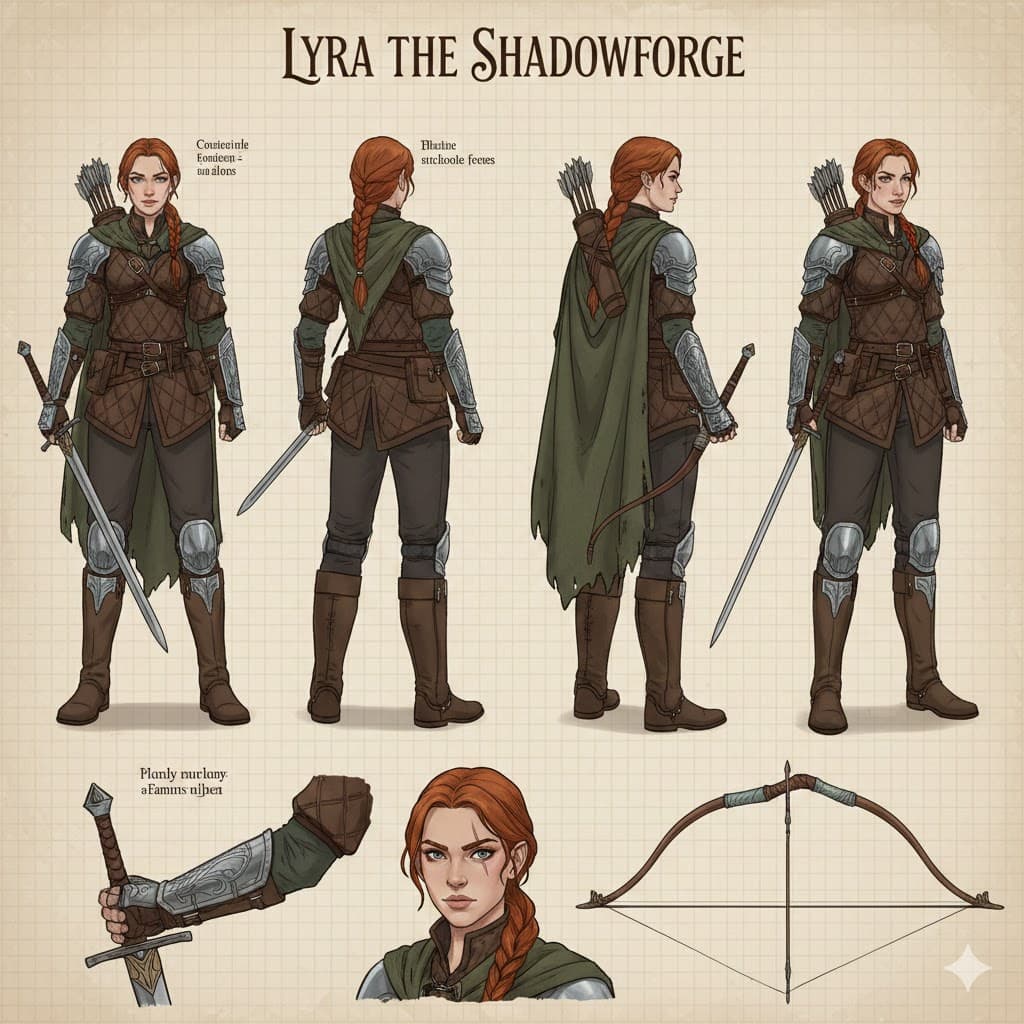
Character sheet, reference art that shows the character’s front/ back/ side views all at once
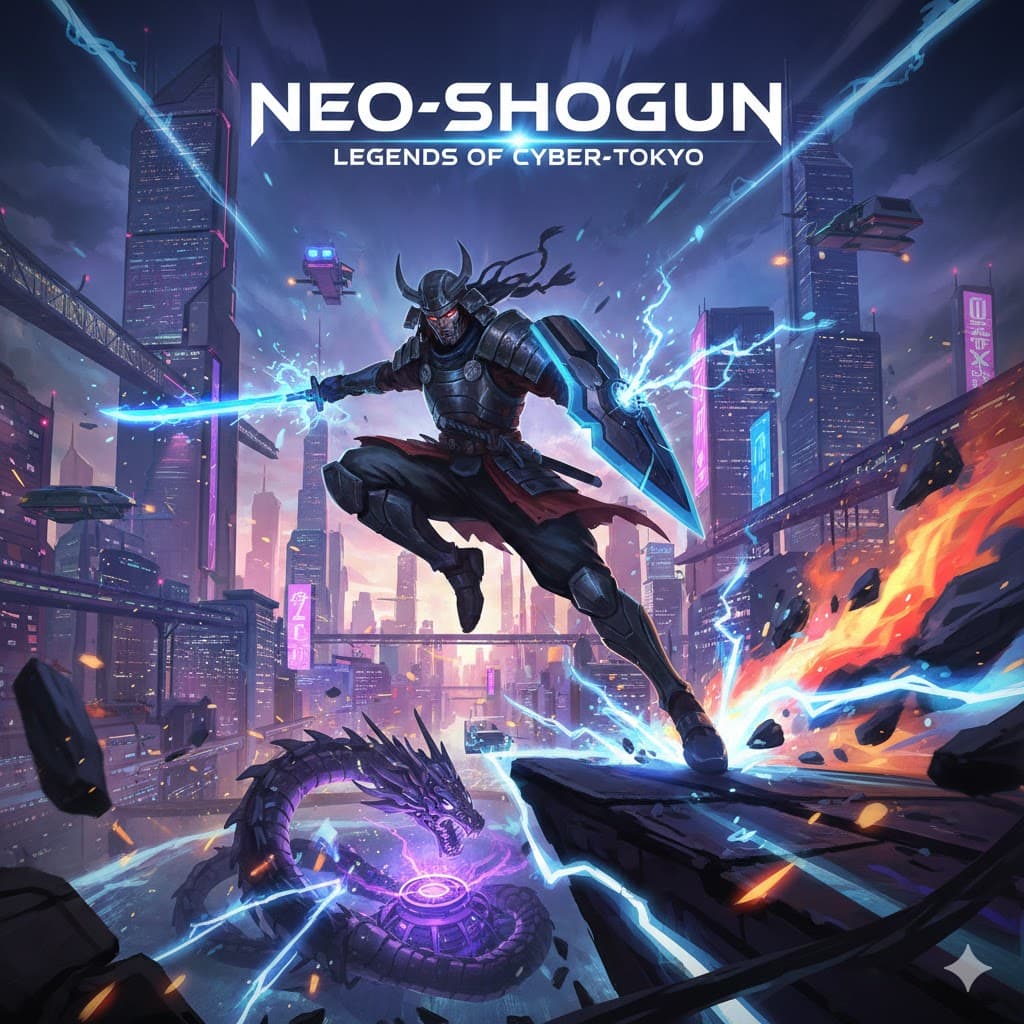
Dynamic, densely rendered promotional illustration
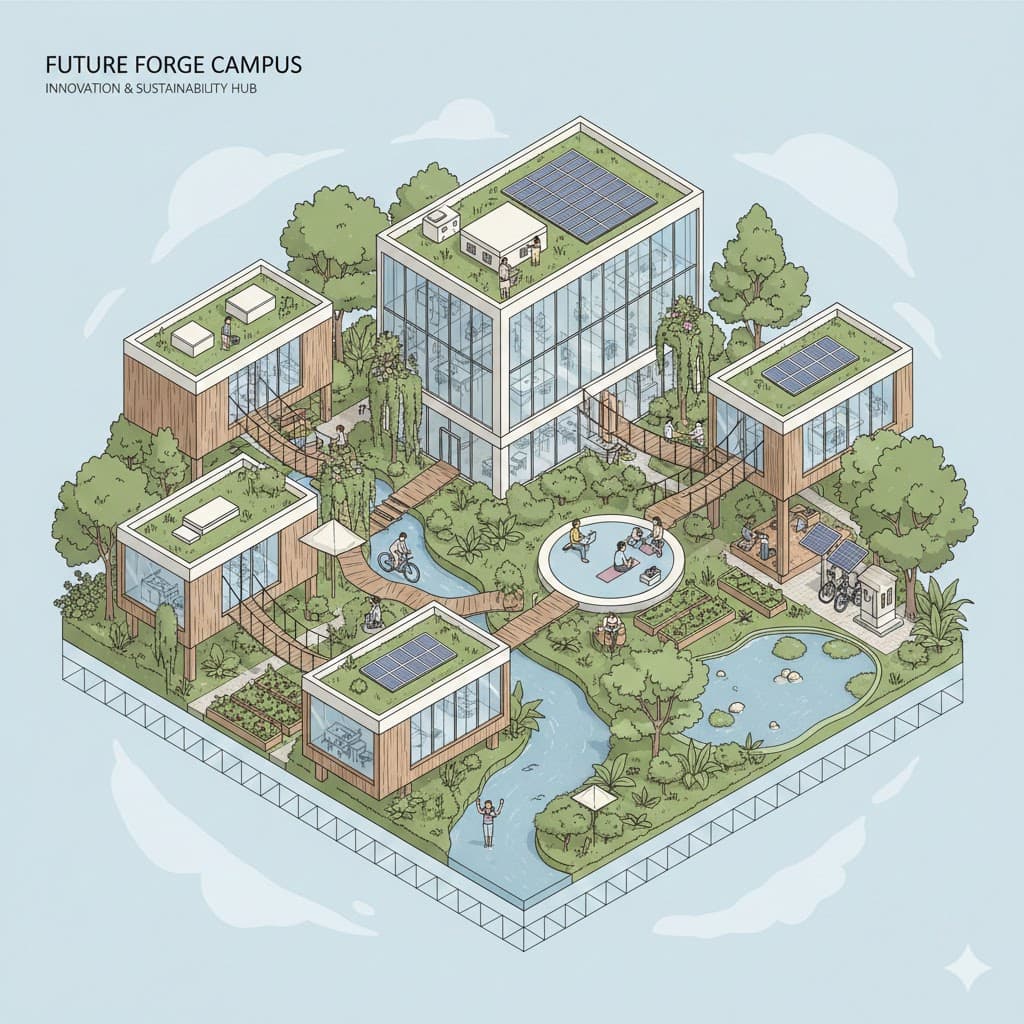
Isometric, cute game maps or building designs in a quarter-view perspective
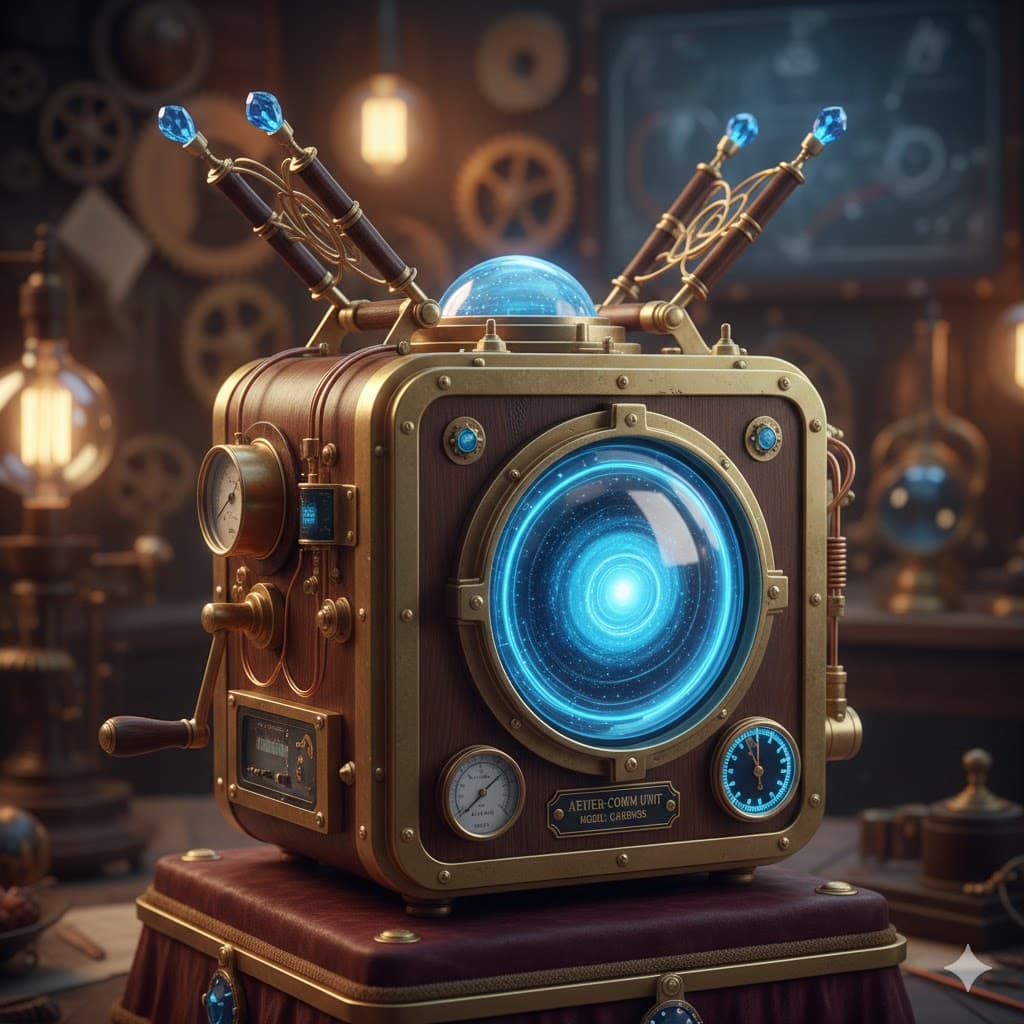
Prop design, detailed rendering of a single prop such as a weapon or item