Digital Art & 3D
Rendering Engines & Software Styles
If you name a specific 3D program, the style will follow that program’s characteristic “light calculation method” and “texture.”
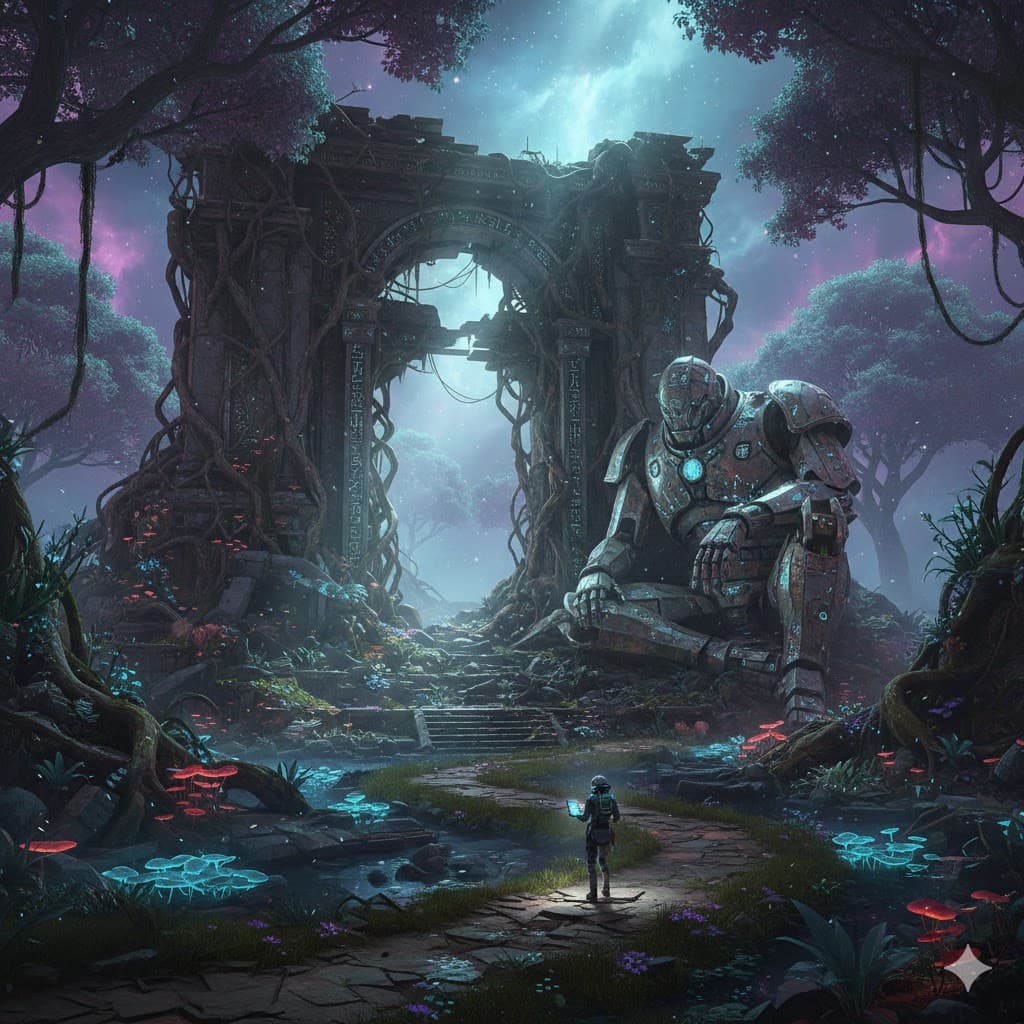
Unreal Engine 5, game graphics with lifelike lighting and incredible detail
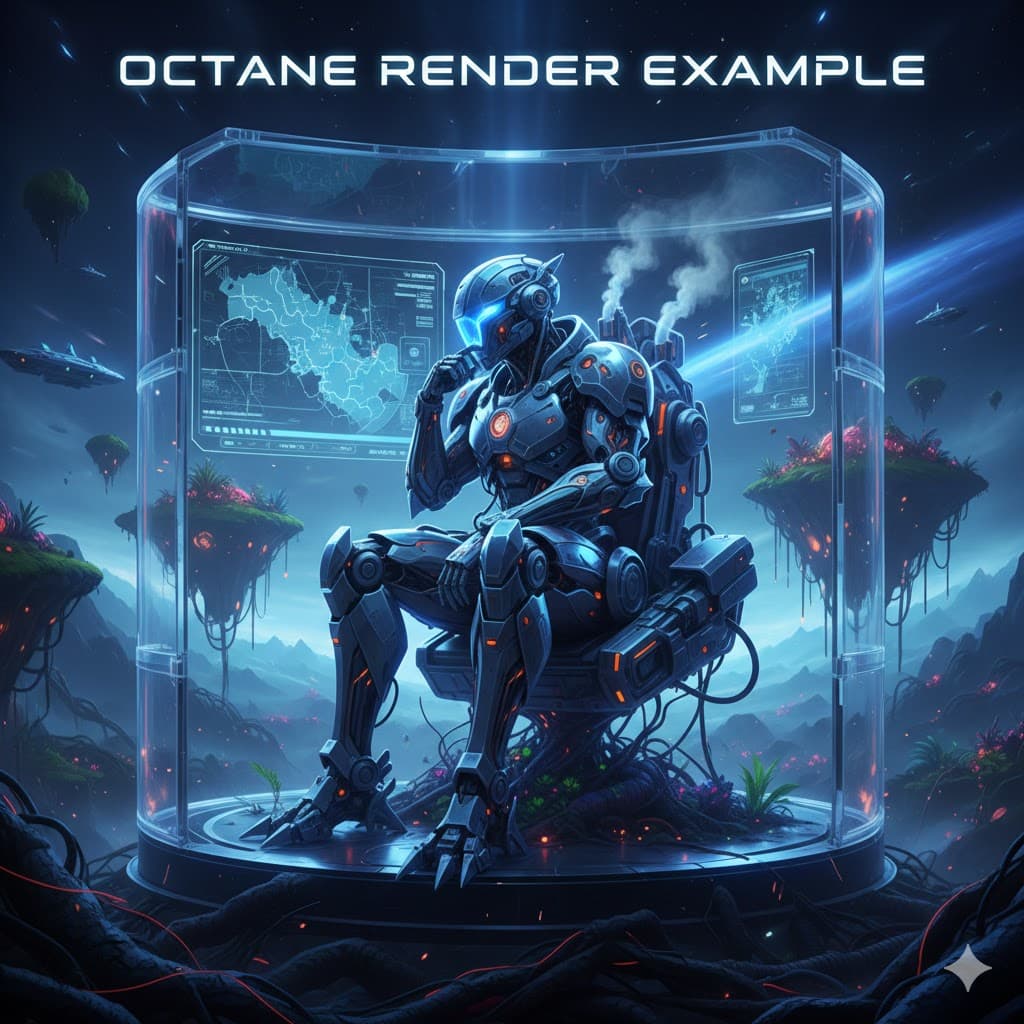
Octane Render, characterized by glossy surfaces and dreamy lighting, with a motion-graphics feel
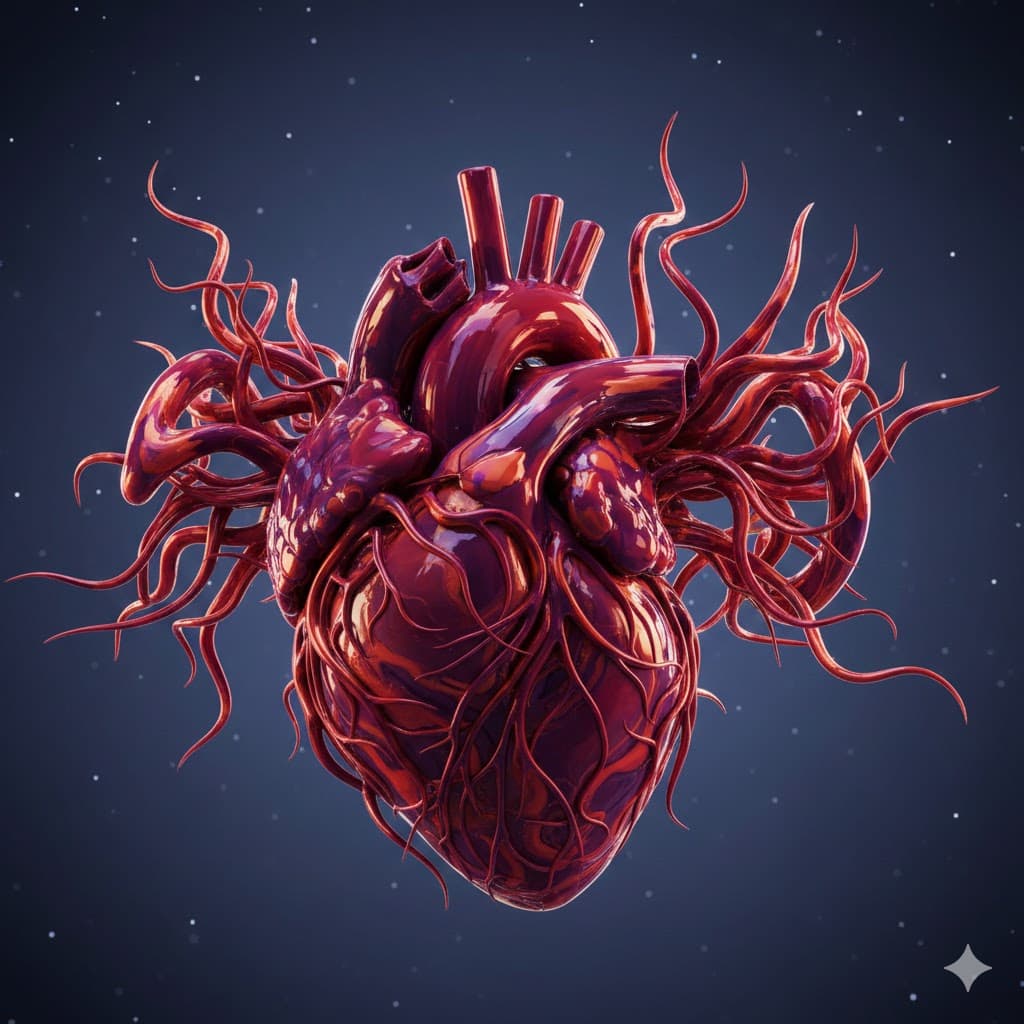
Redshift, very clean and razor-sharp 3D images
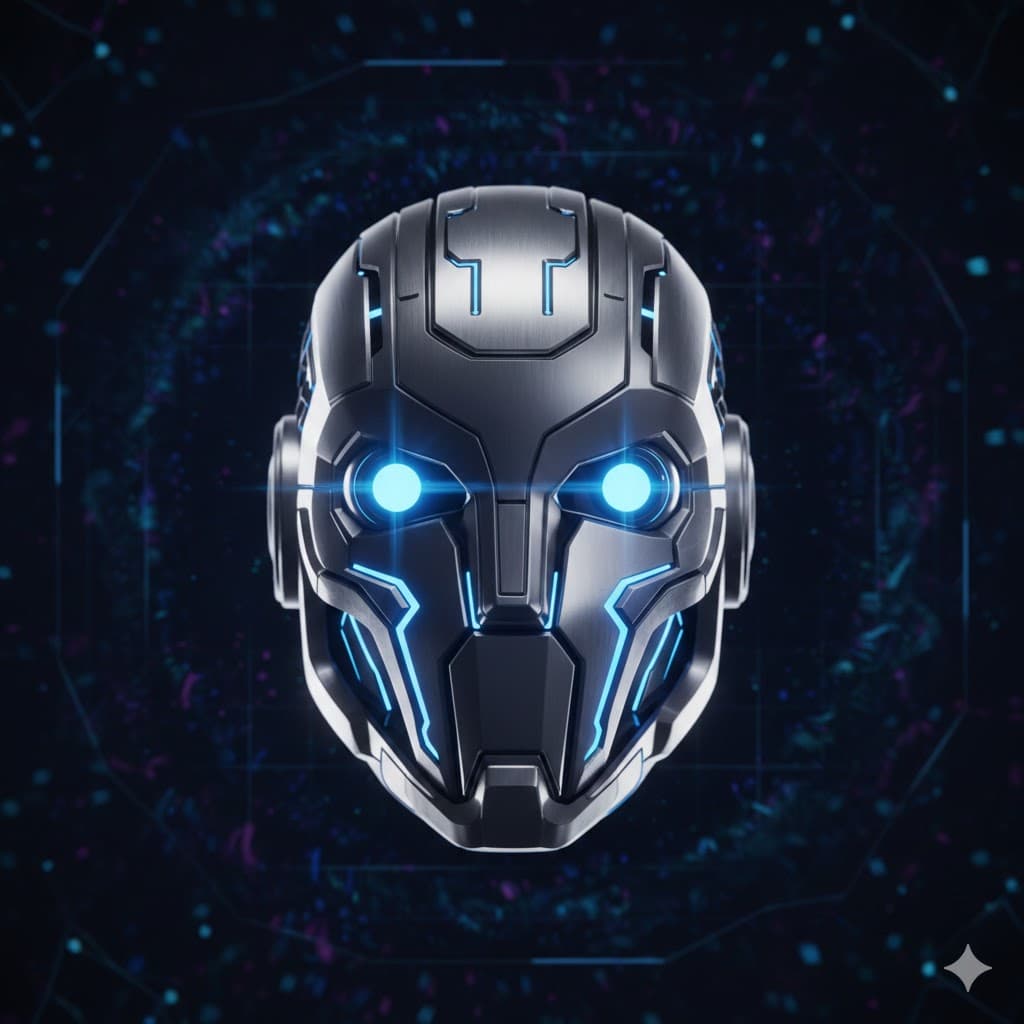
Blender Cycles, soft and natural 3D rendering
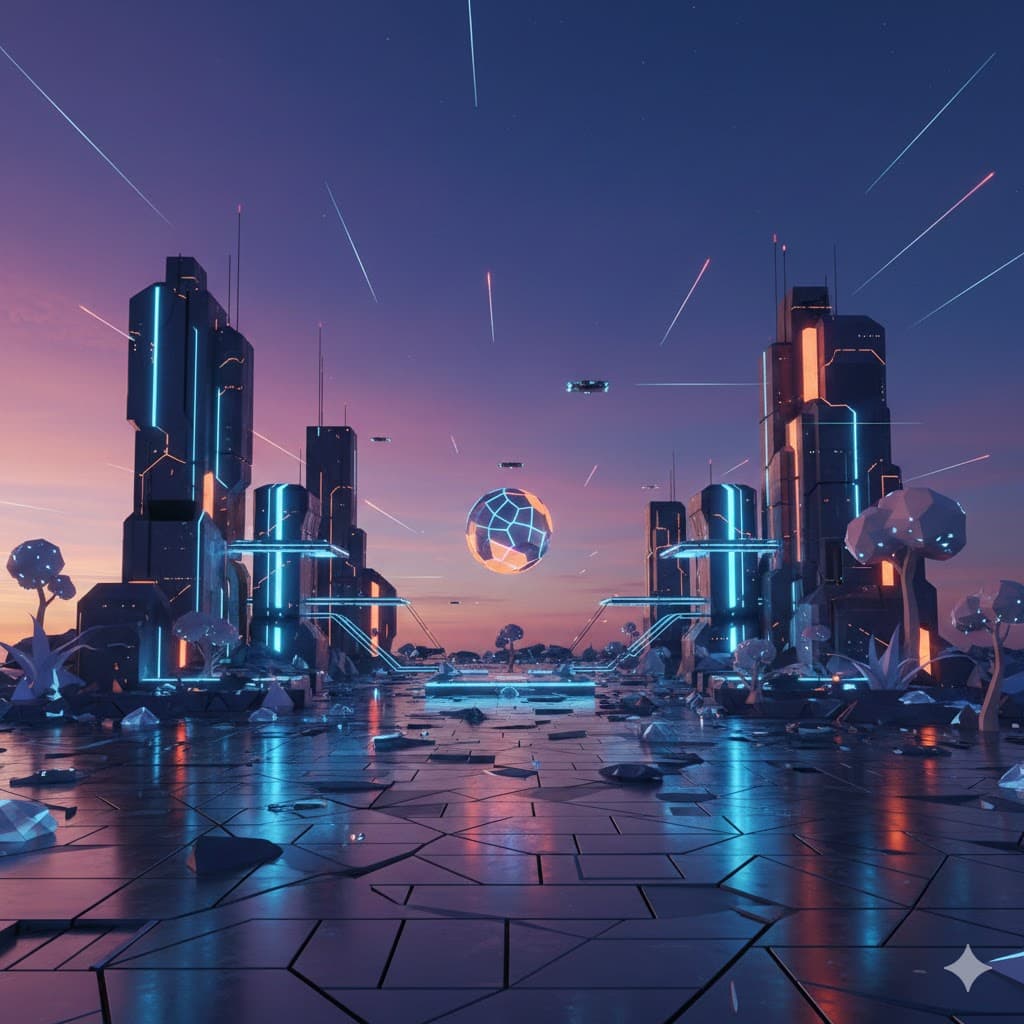
Cinema 4D, rounded, trendy motion graphics, suitable for abstract artwork
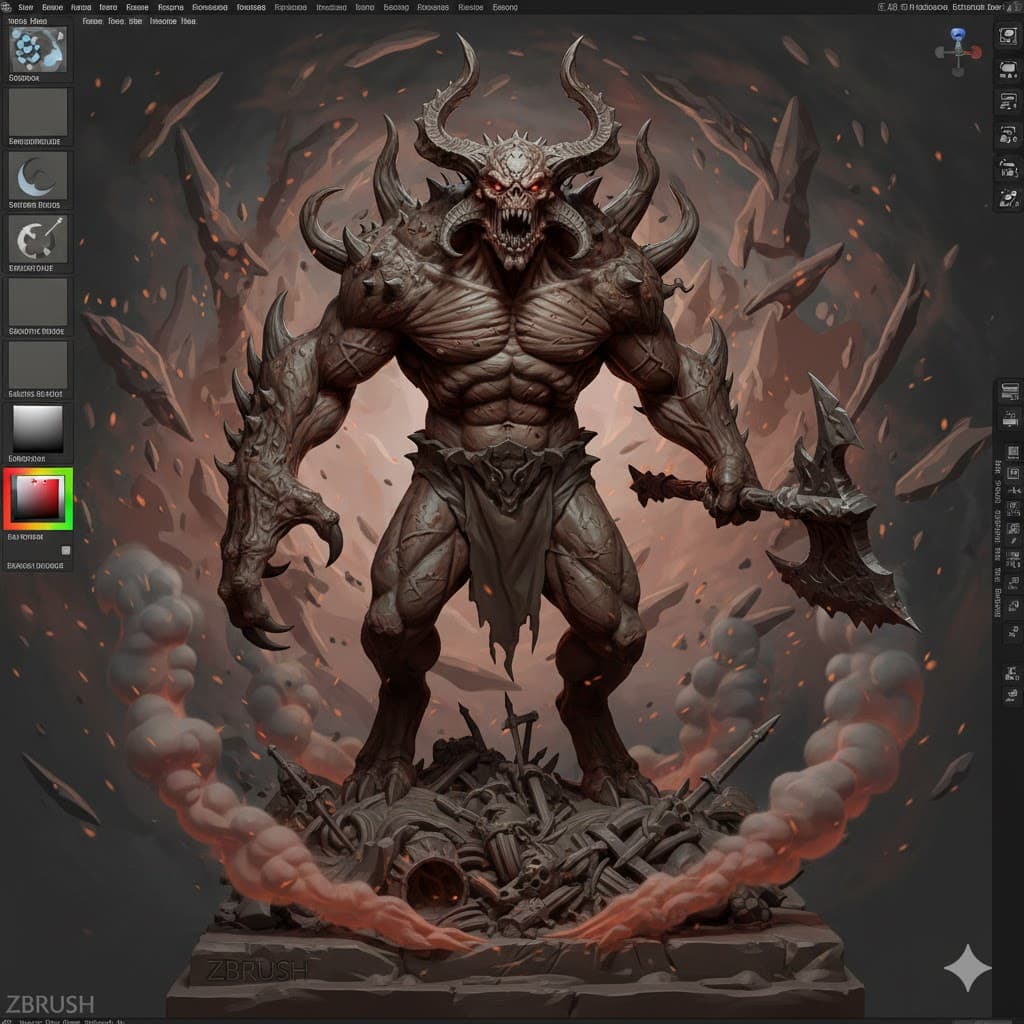
ZBrush, high-density sculpting textures like molded clay, excellent for monsters or character modeling
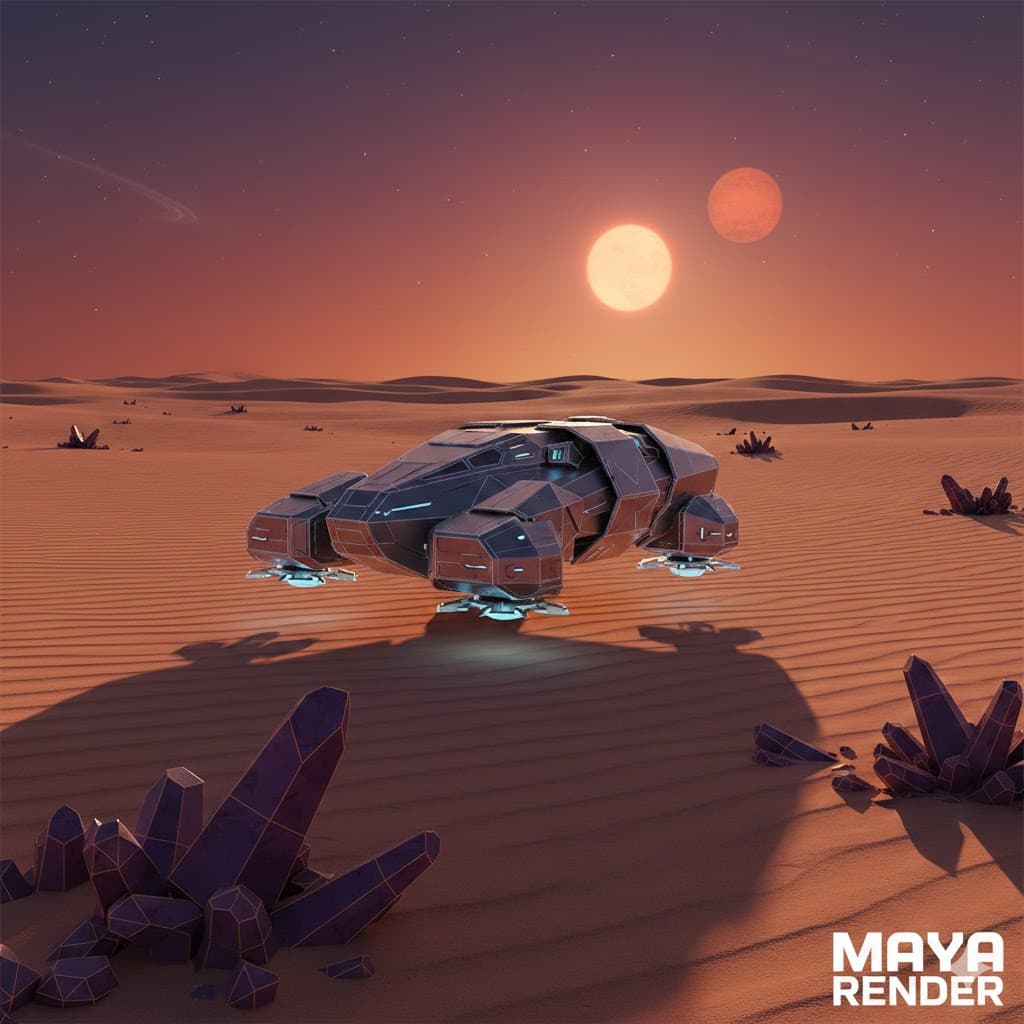
Maya, professional animation rendering reminiscent of Disney/Pixar films
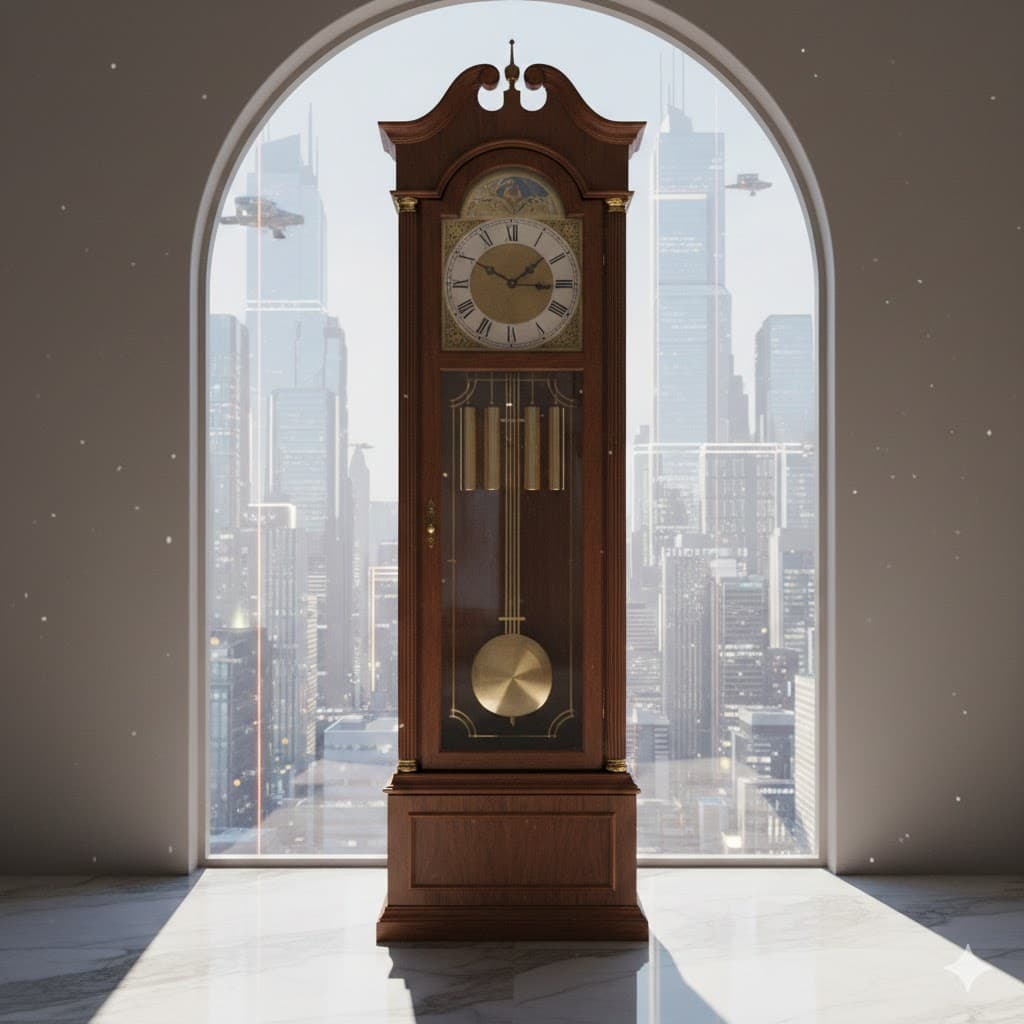
Ray tracing, a technique that calculates light reflection and refraction with extreme realism
3D Modeling Styles & Geometry
Determines how the shape of 3D objects is constructed.
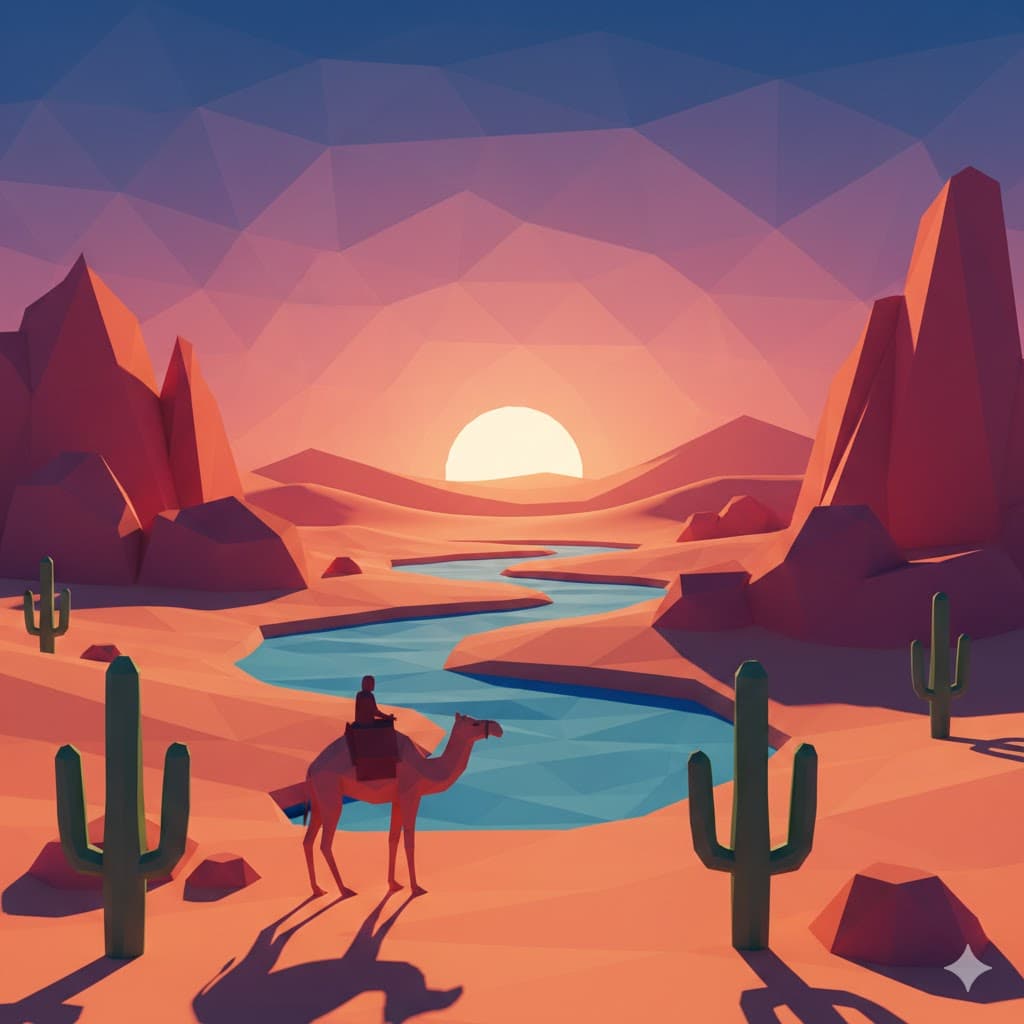
Low poly, a style with reduced polygon count and faceted surfaces, giving a retro or cute feel
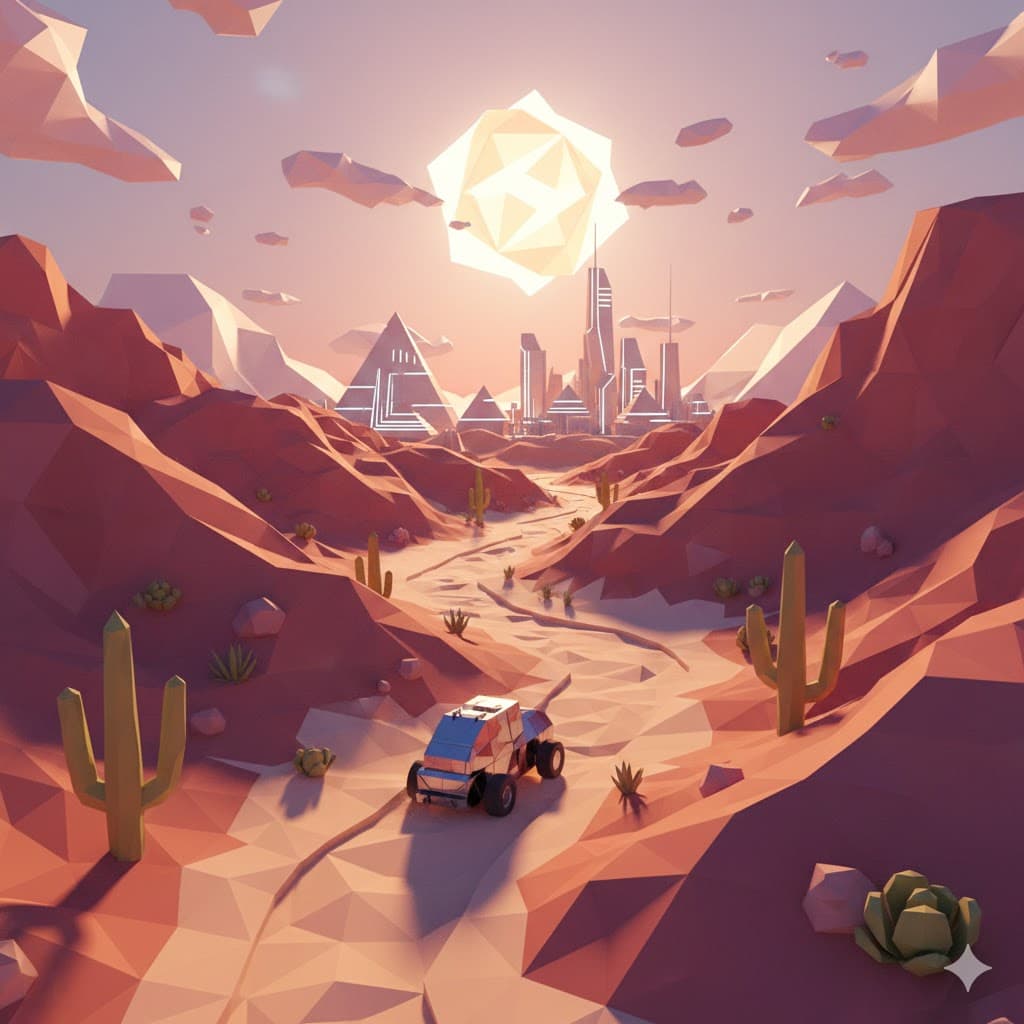
High poly, modeling with many polygons, resulting in smooth curves and intricate detail
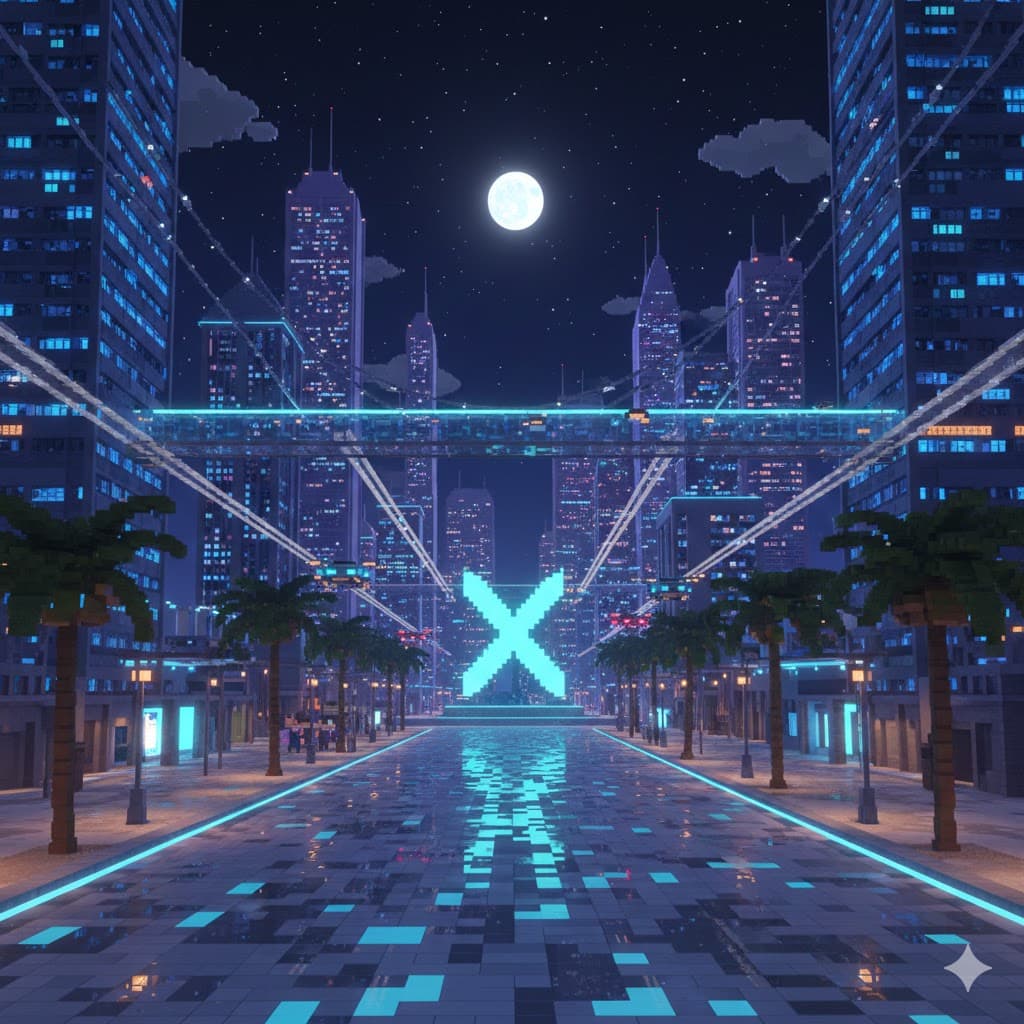
Voxel art, a style built from small cubes like Minecraft or LEGO
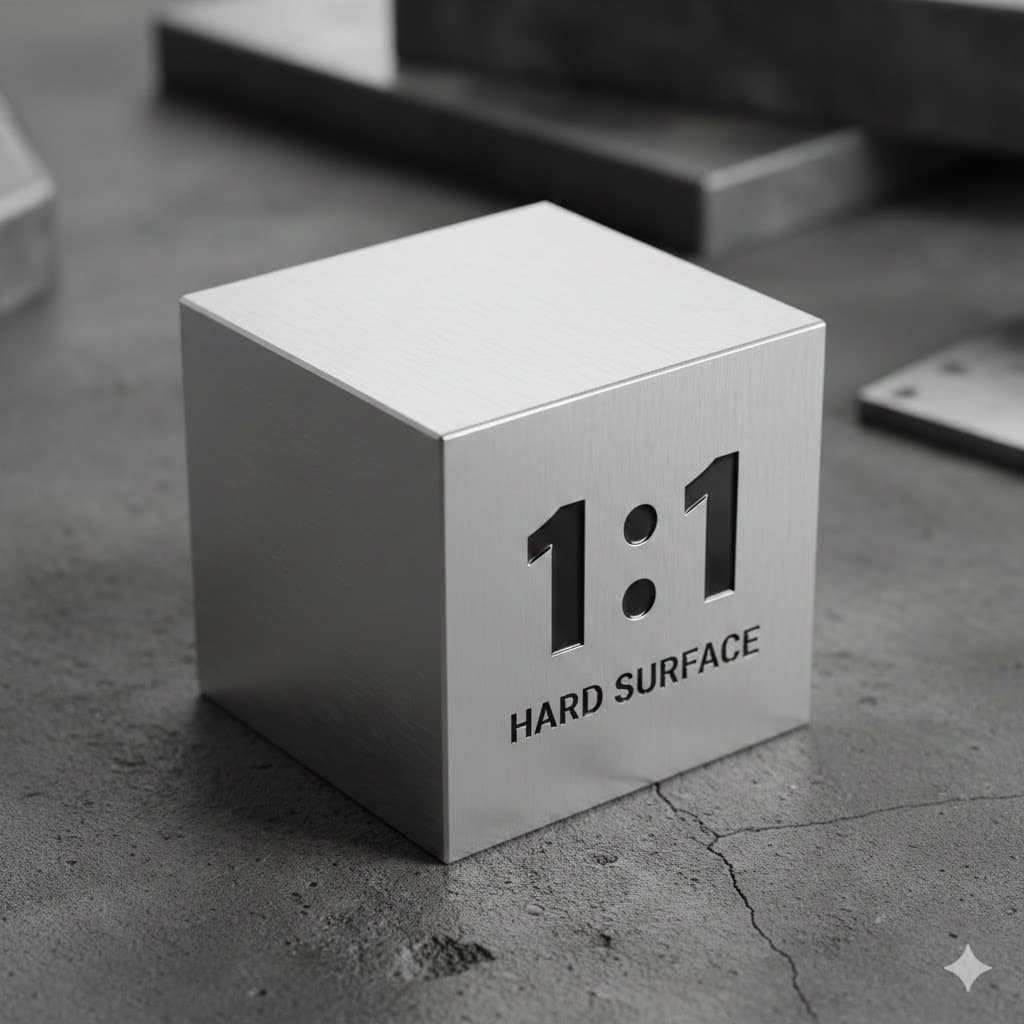
Hard surface, depiction of rigid, functional surfaces such as robots, machines, and spaceships
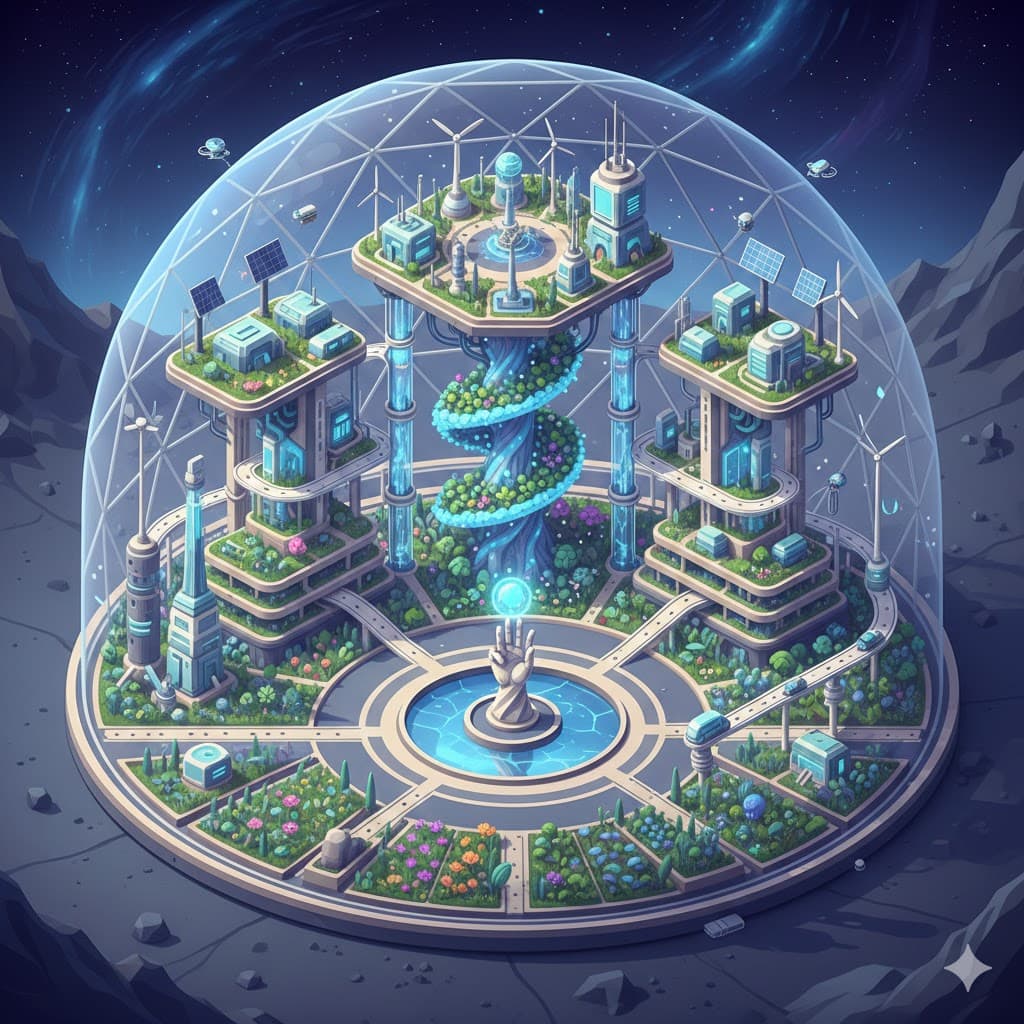
Isometric, an isometric projection, like viewing a miniature world diagonally from above

Knolling, a neatly organized shot where parts or objects are laid out on the floor at right angles
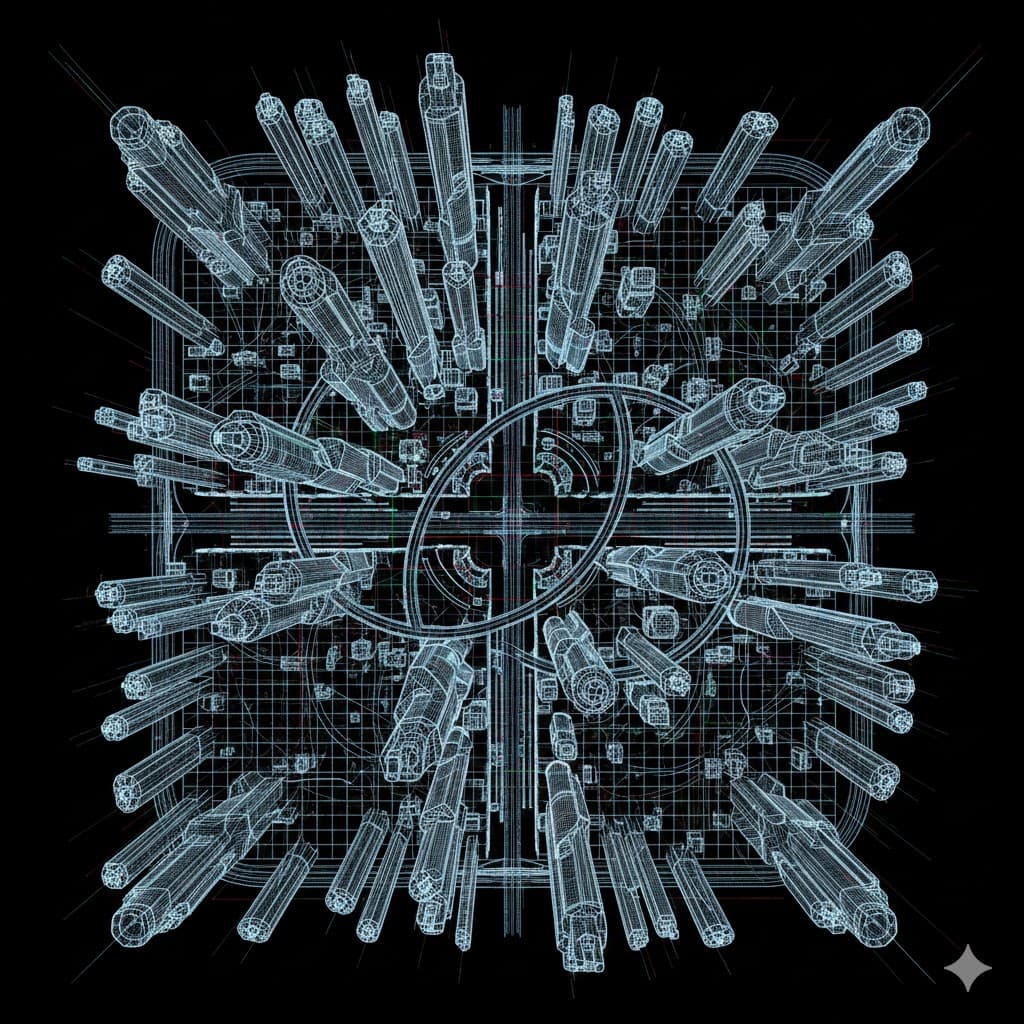
Wireframe, a blueprint-like look where only the skeleton (lines) of the 3D model is visible
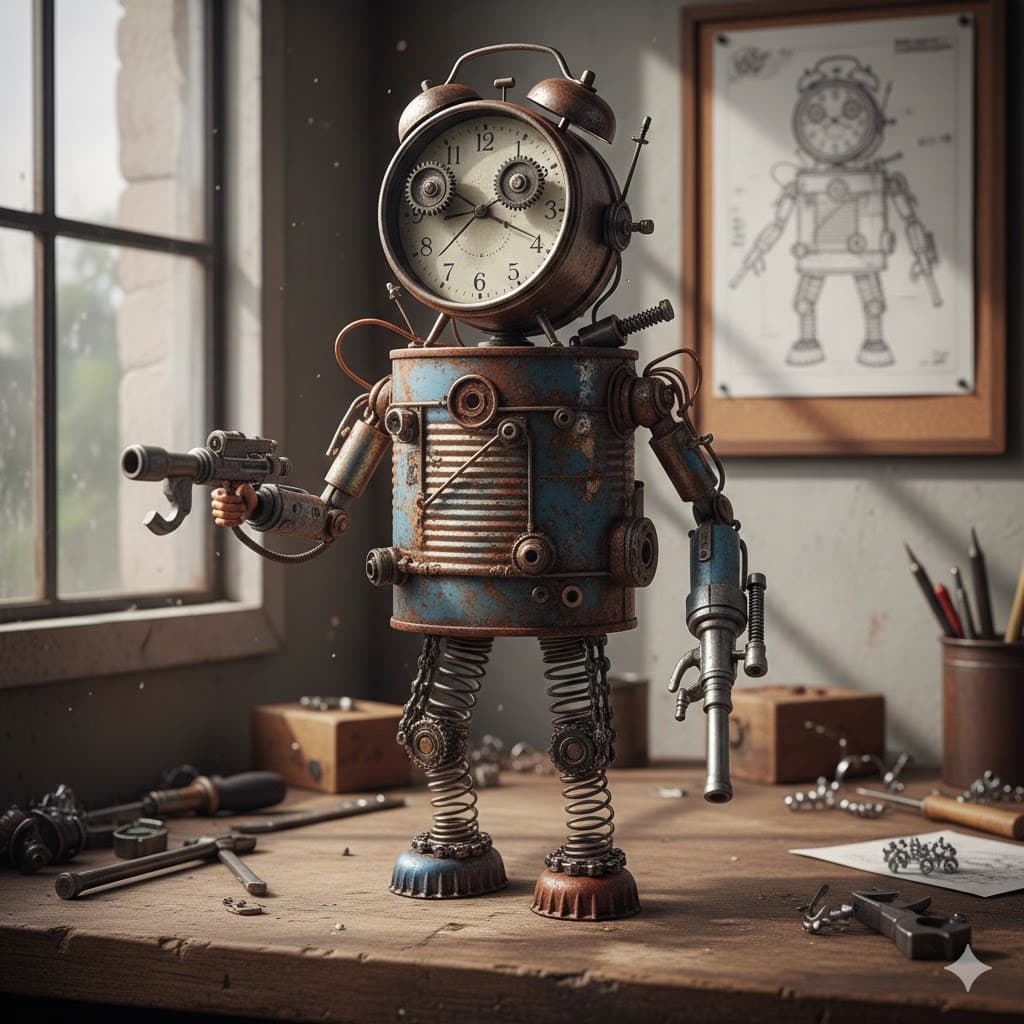
Kitbashing, complex mechanical detail created by patching together various machine parts
Game Graphics & Retro Digital
Evokes the feel of games from specific eras.
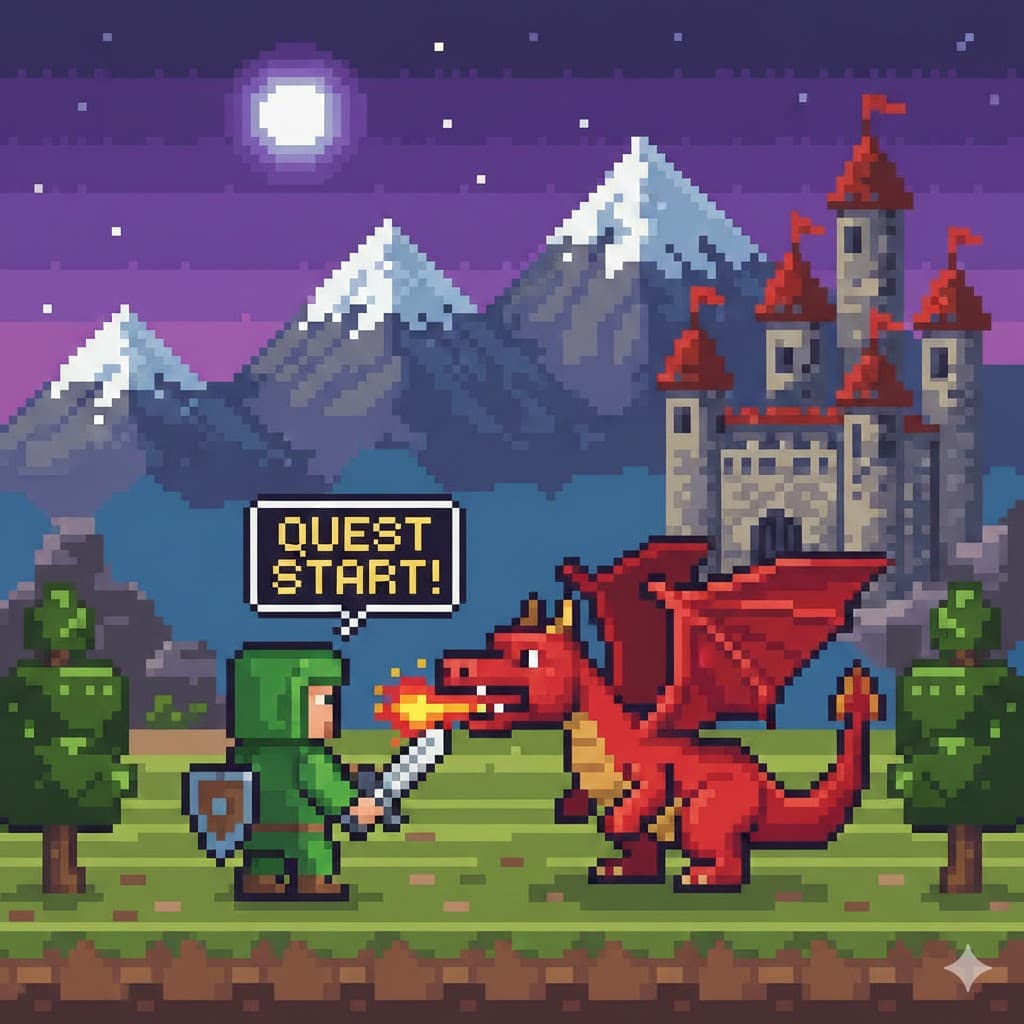
Classic game style with chunky, visible pixels
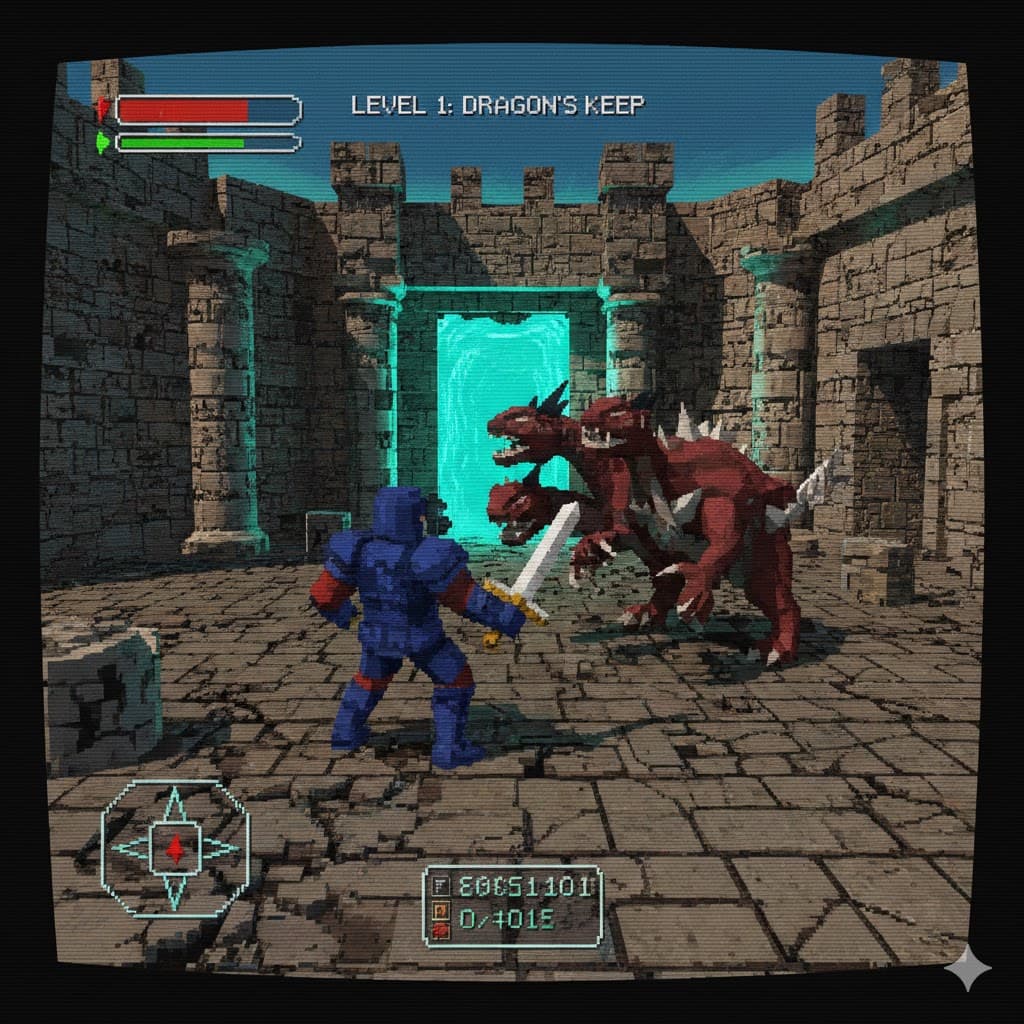
Early PlayStation, 90s 3D aesthetic with smudged textures and jittery polygons
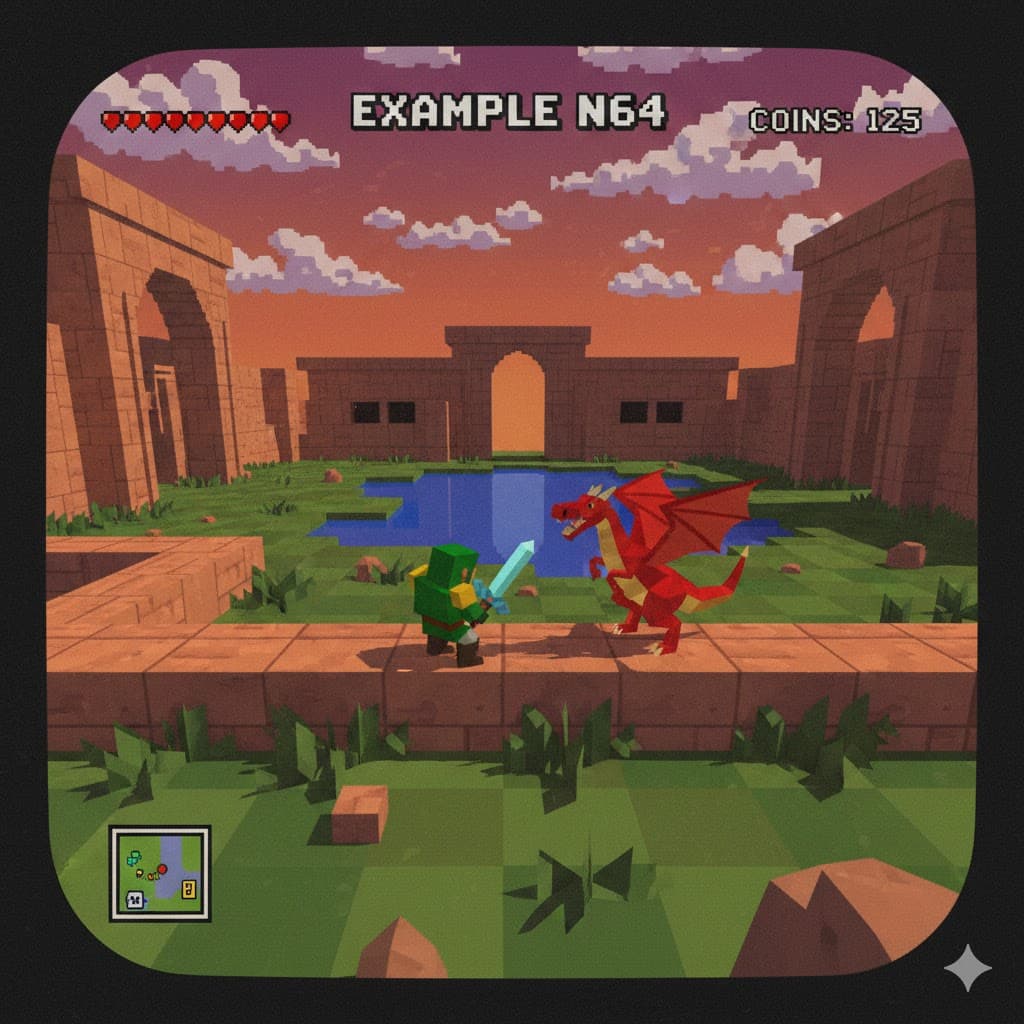
Nintendo 64, slightly blurry and simple 3D graphics

Game asset, isolated object designs that look like they belong in a game inventory screen
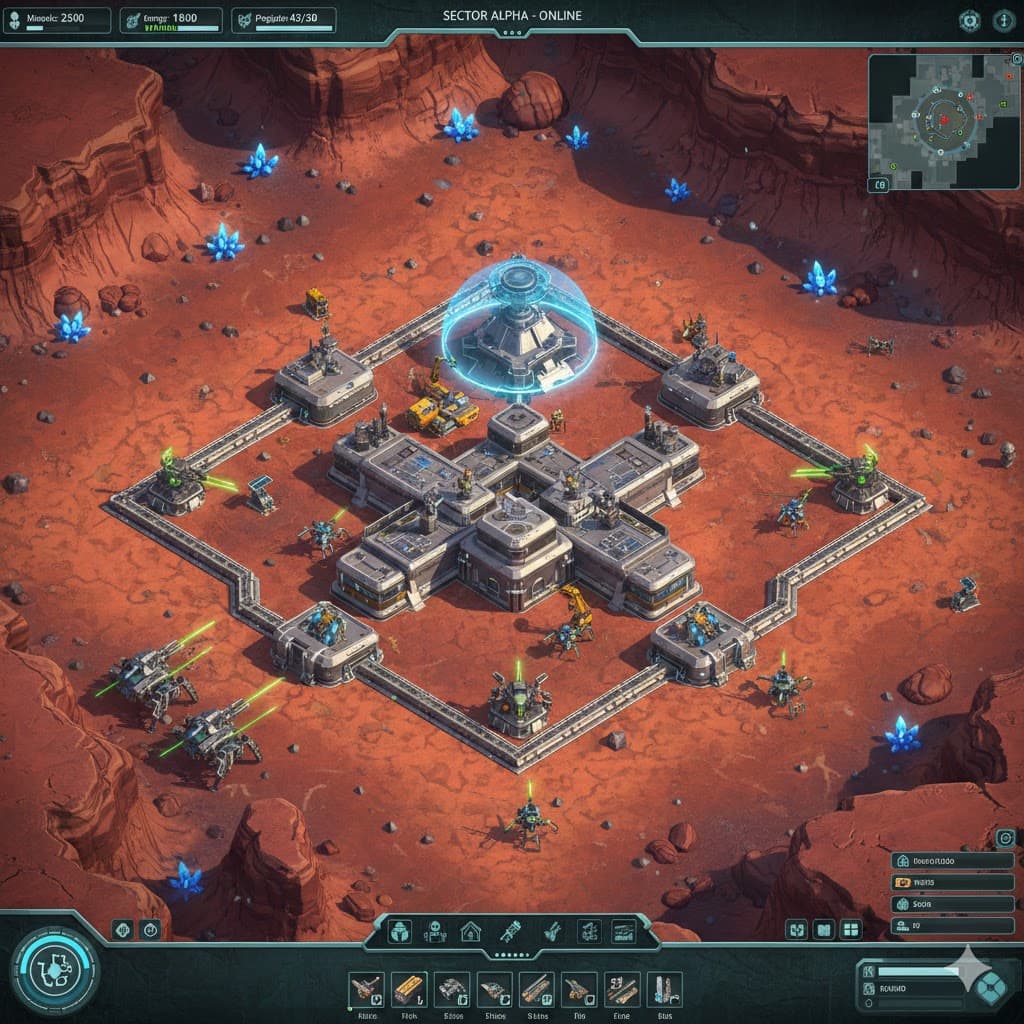
A viewpoint like strategy simulation games such as StarCraft
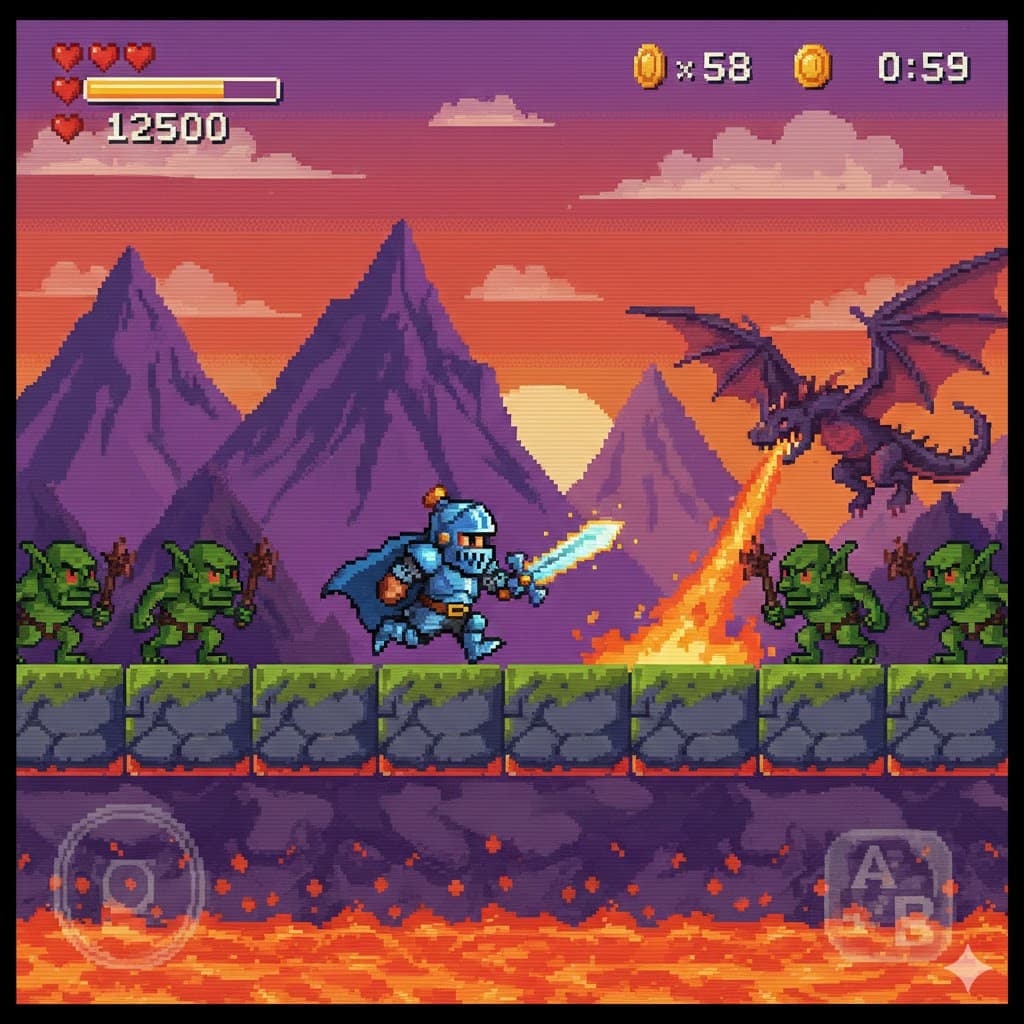
Screen layout like side-scrolling games such as Super Mario
2D Digital Illustration & Design
2D graphic styles drawn on a computer, not 3D.
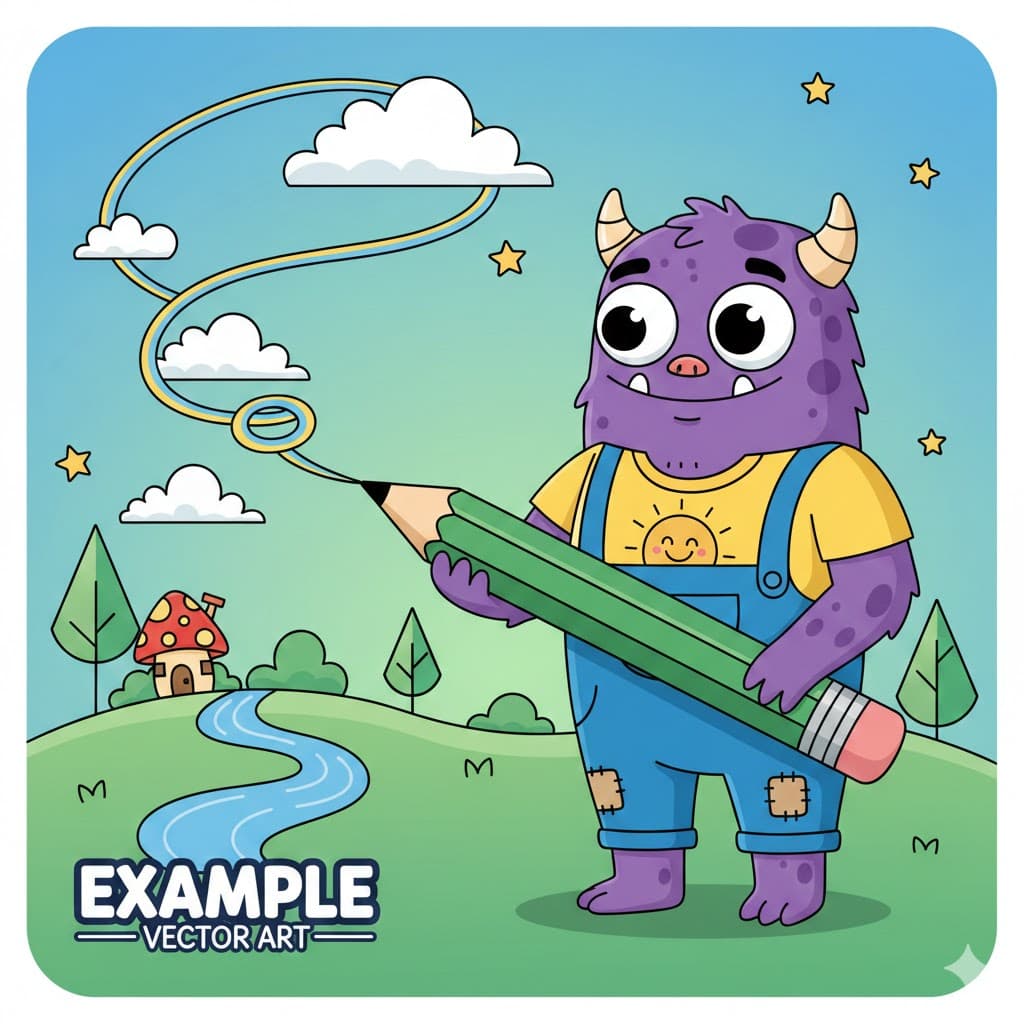
Vector art, very clean and simple lines and shapes that don’t pixelate when enlarged
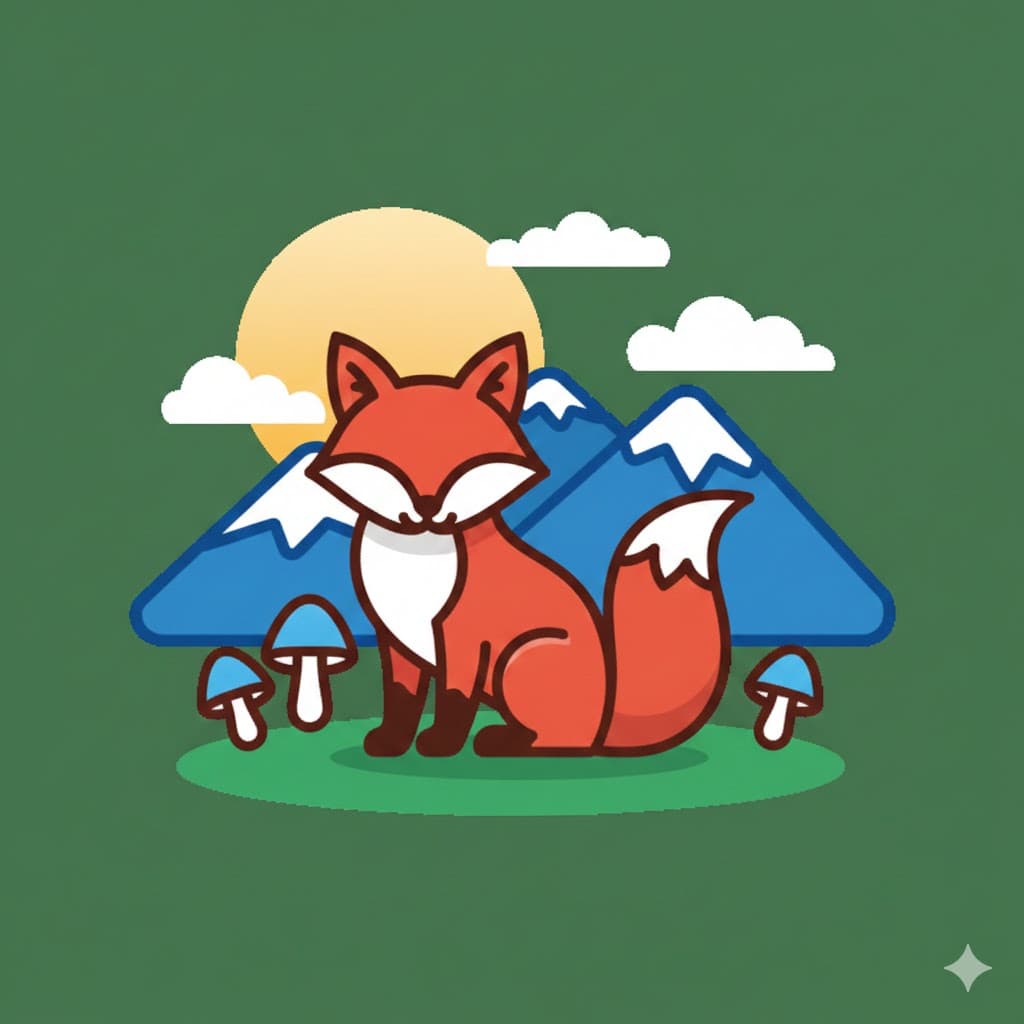
Flat design, a simple UI style expressed only with color, without shadows or a sense of depth
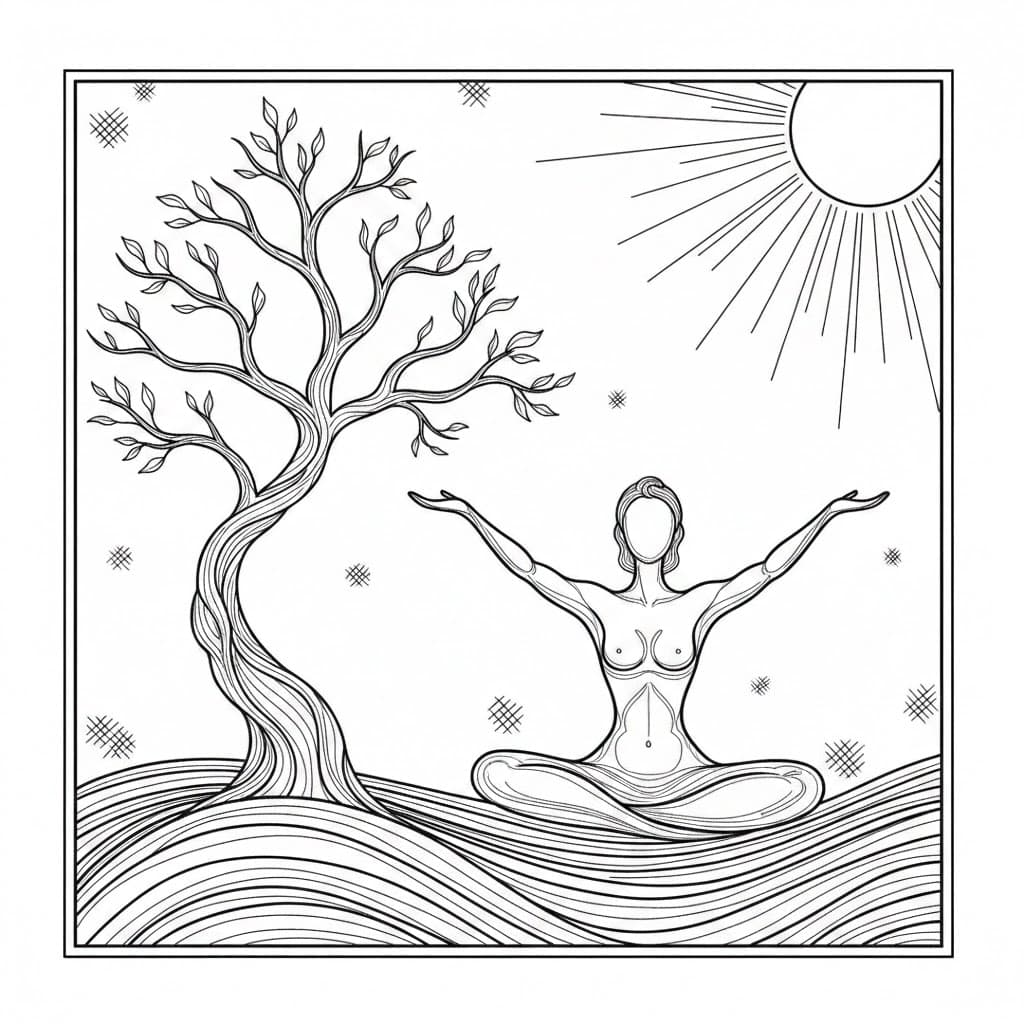
Line art, clean diagrams/illustrations drawn only with lines, without coloring
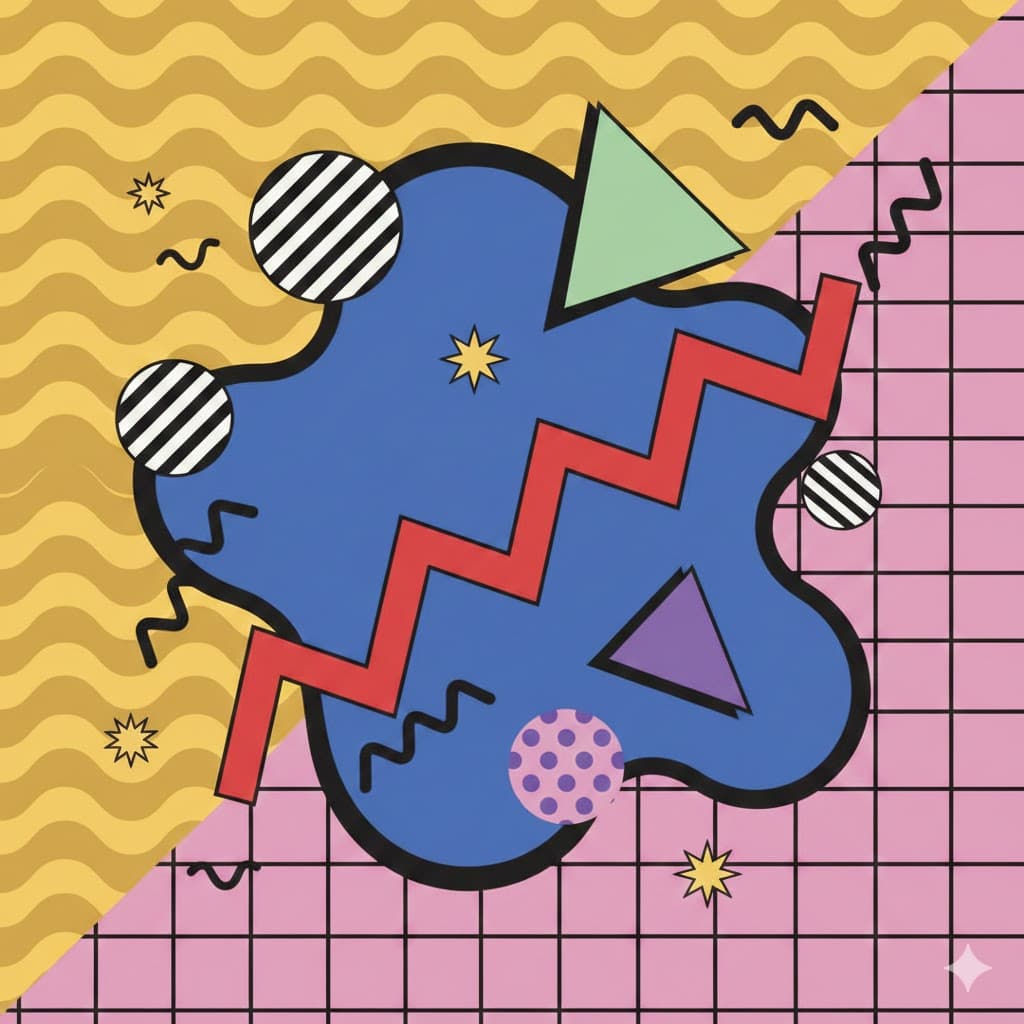
Memphis design, an 80s-style look with scattered primary-colored shapes and patterns

A recent style used by big tech companies: flat, simplified character illustrations with long limbs
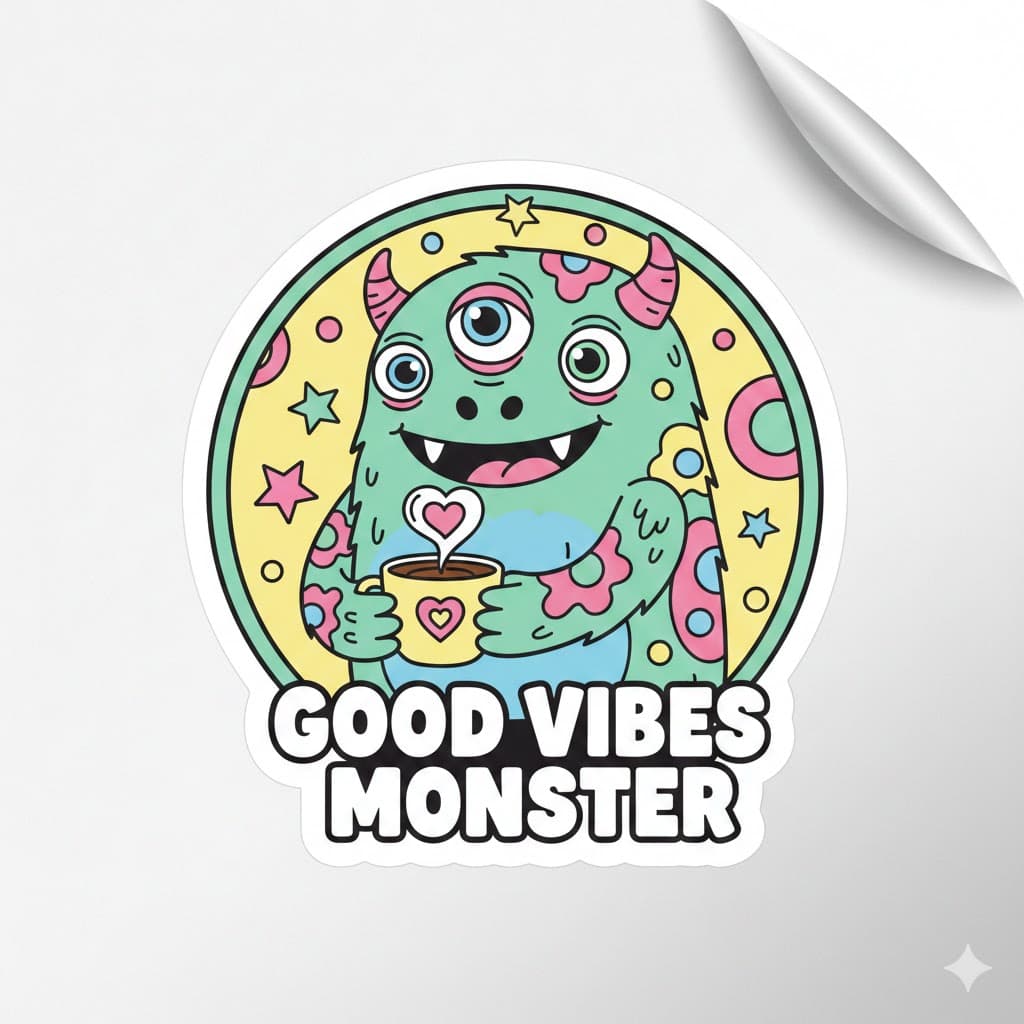
Sticker art, looks like diary-decorating stickers with white outlines
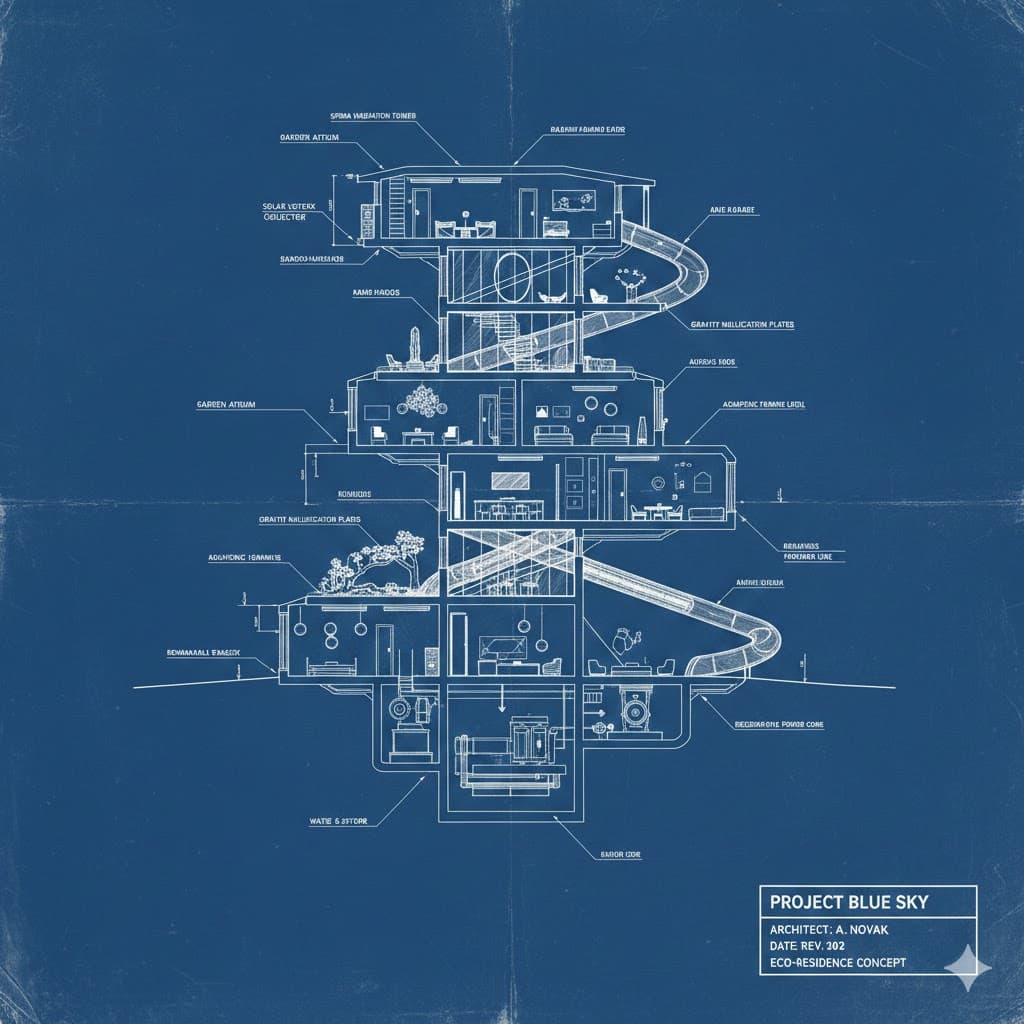
Blueprint, architectural/mechanical drawings in white lines on a blue background
Digital Aesthetics & Texture Trends
Specific textures and moods that are currently popular on the internet or in the design world.
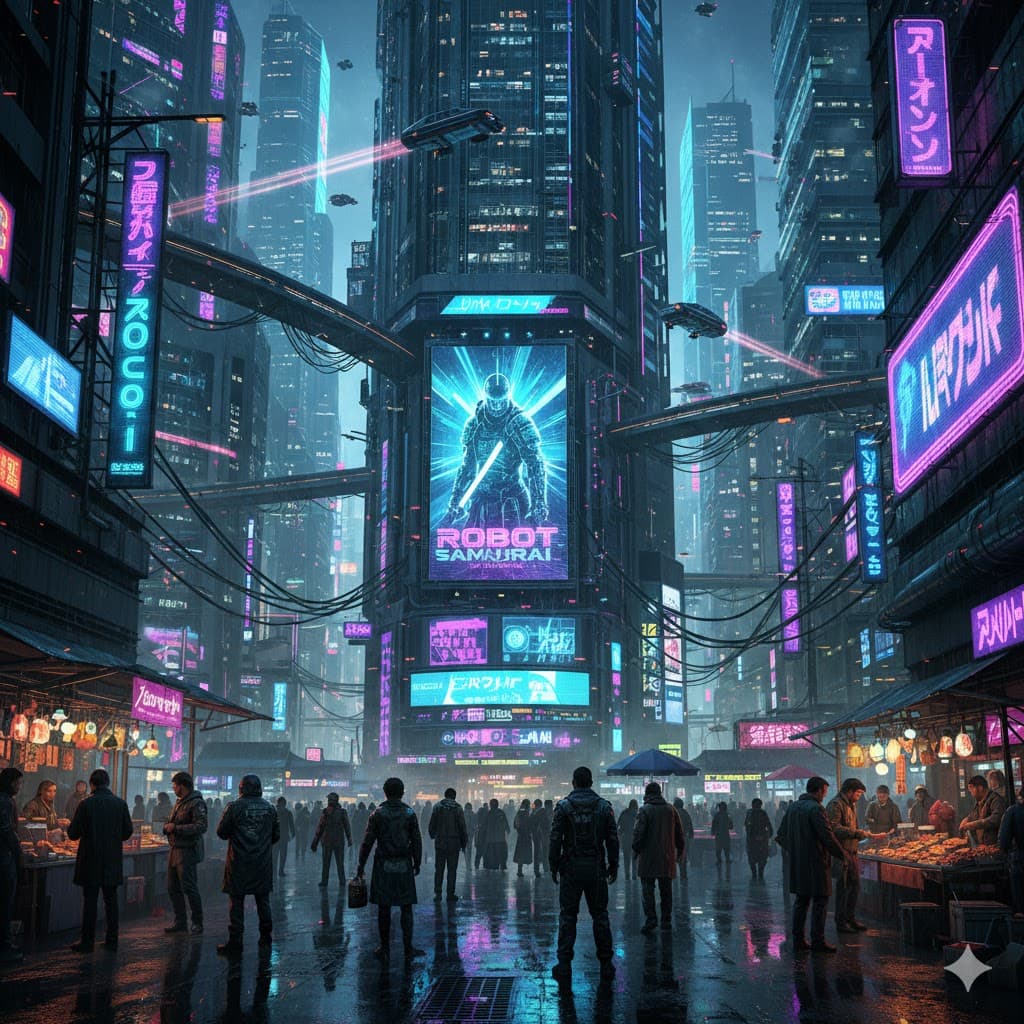
Cyberpunk, neon, rain, mechanical arms, dark back alleys
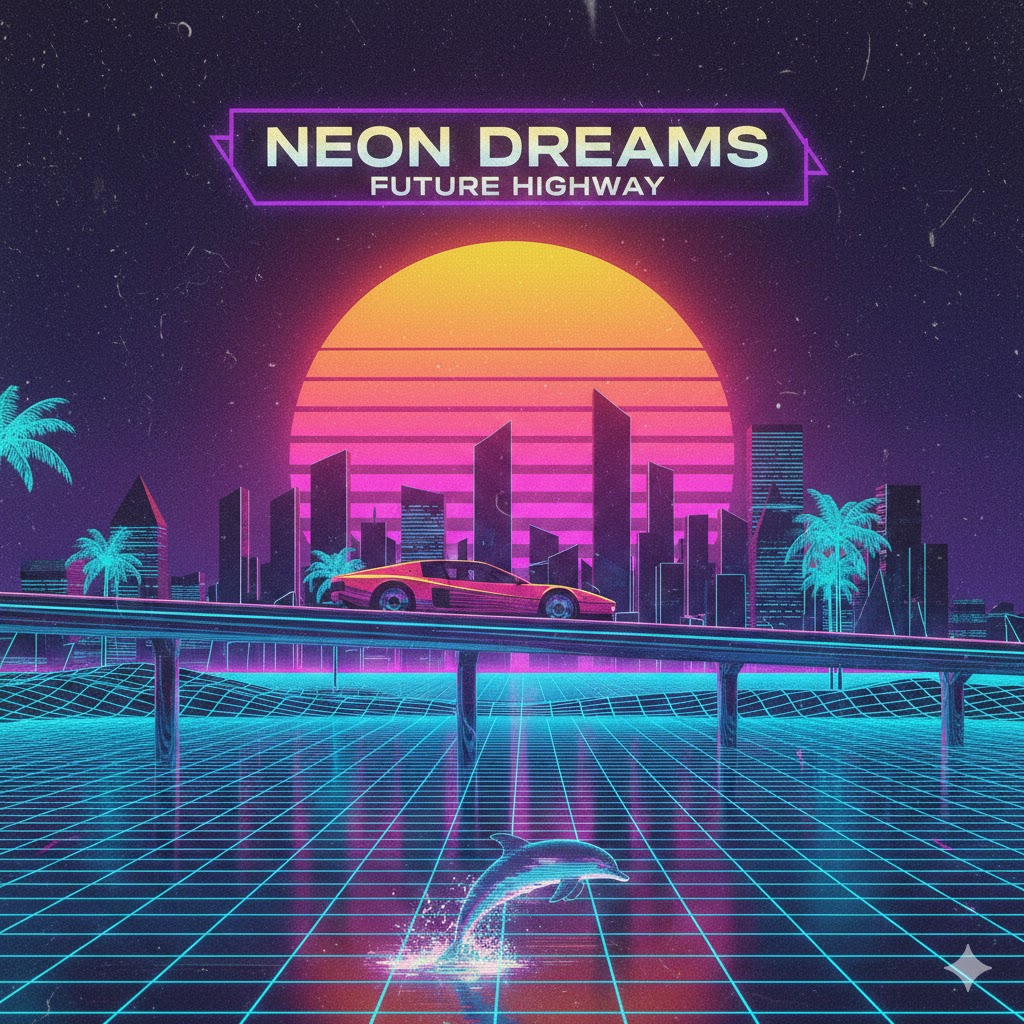
Synthwave/Vaporwave, 80s retro-futurism, palm trees, purple/pink grids
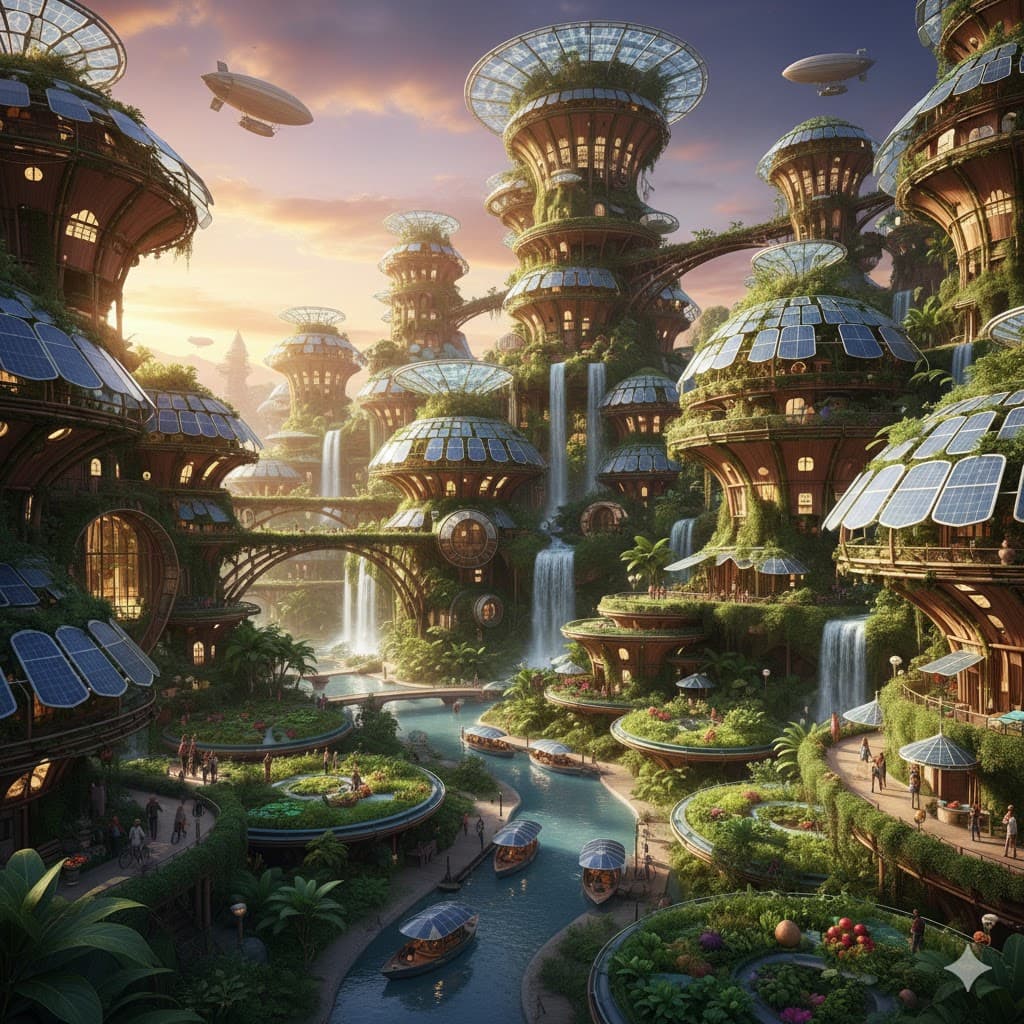
Solarpunk, a bright future where nature and advanced technology coexist harmoniously and eco‑friendly
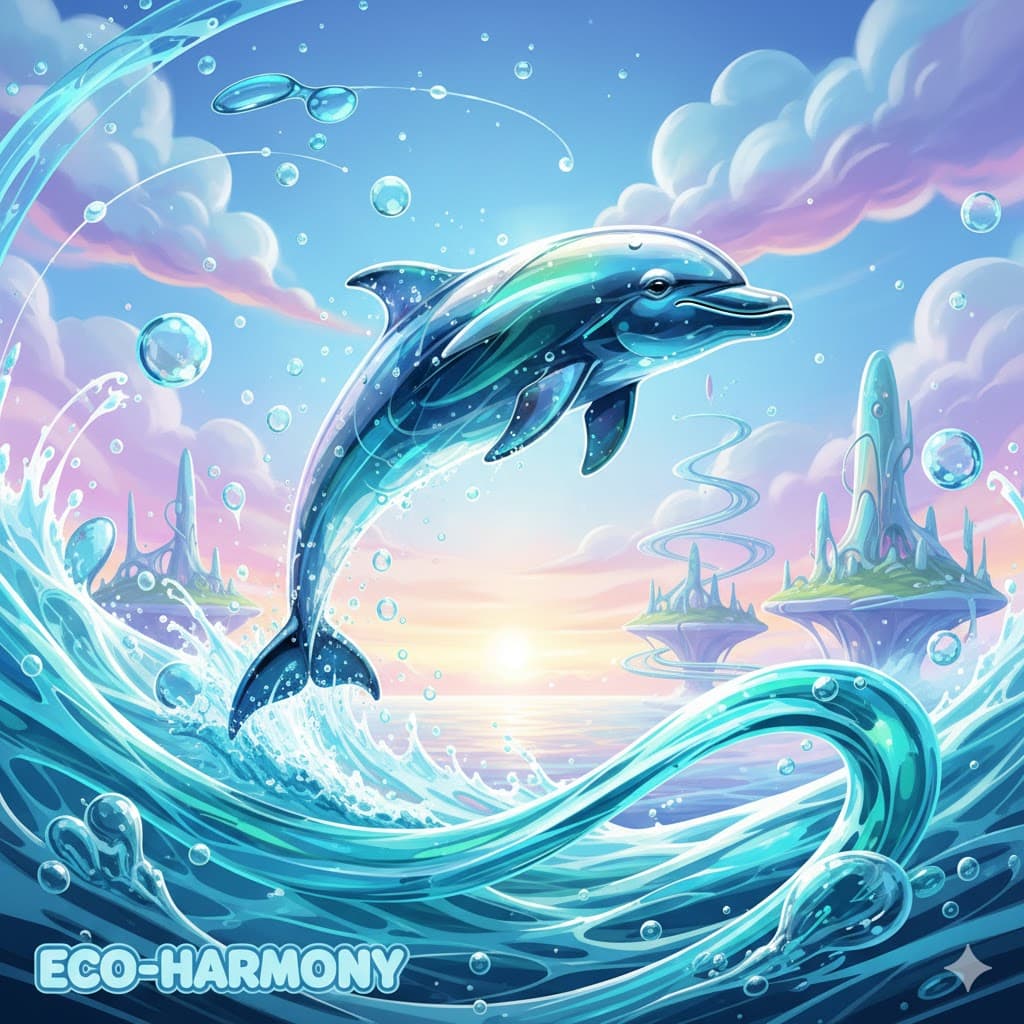
Frutiger Aero, the transparent, glossy water-drop/grass aesthetic of the mid-2000s Windows Vista era
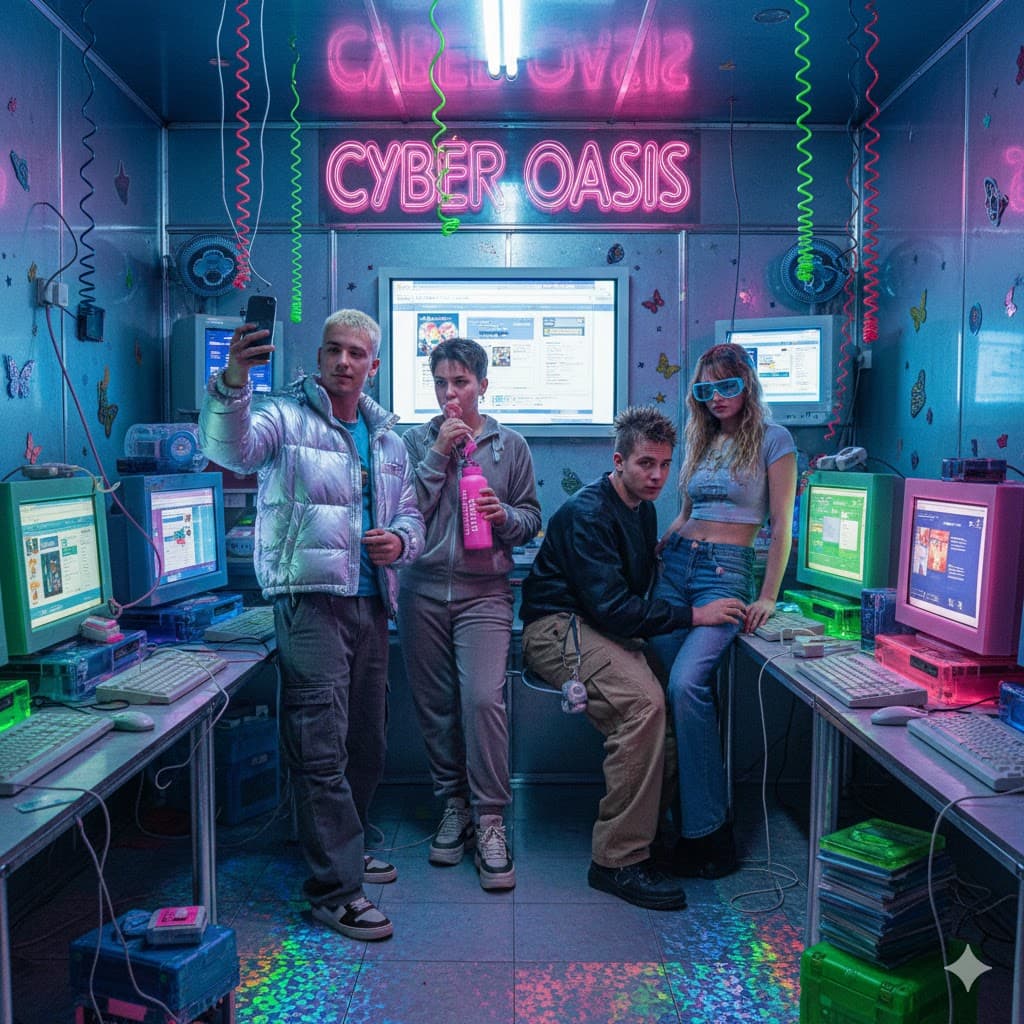
Y2K, late-90s end-of-the-century vibe, cyber-like chrome materials and vivid colors
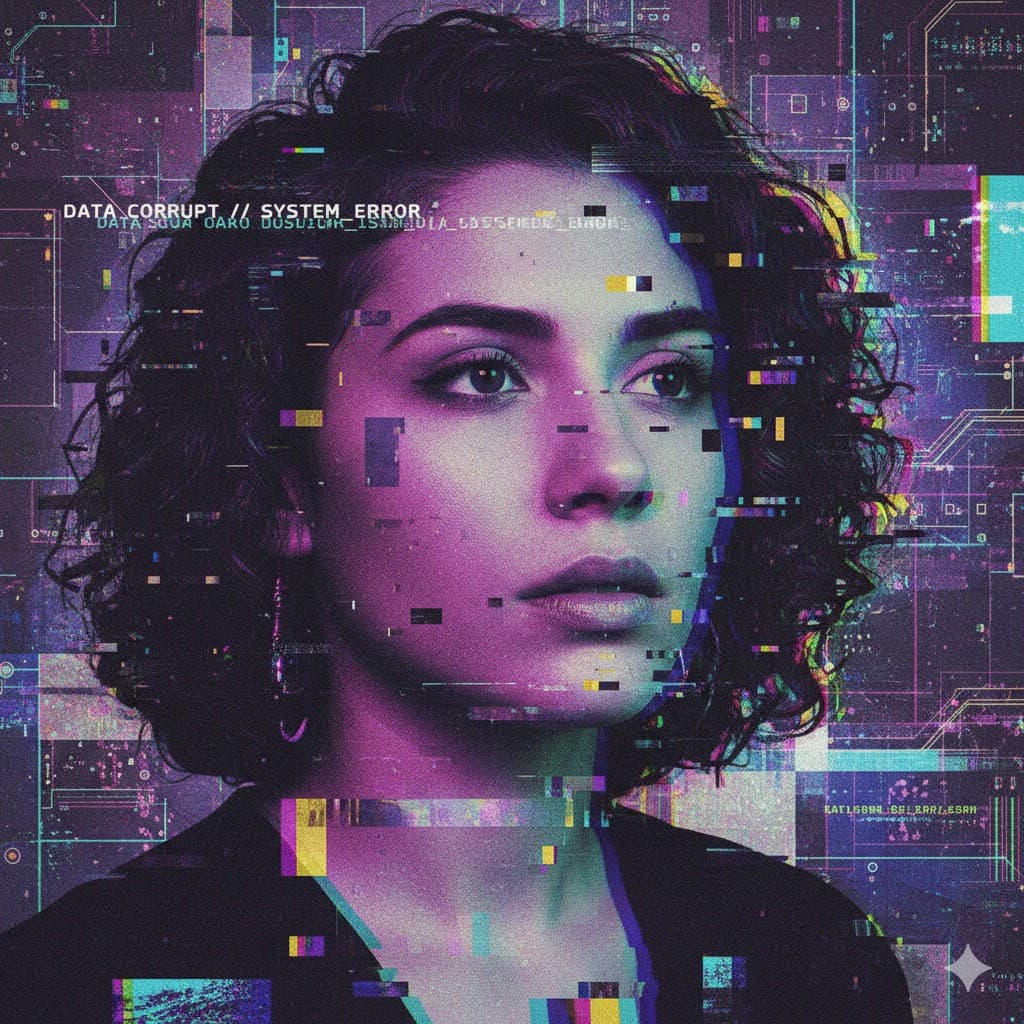
Glitch, effects where digital signals break up and the screen crackles and distorts

Glassmorphism, a UI design trend with translucent, wet-glass-like elements
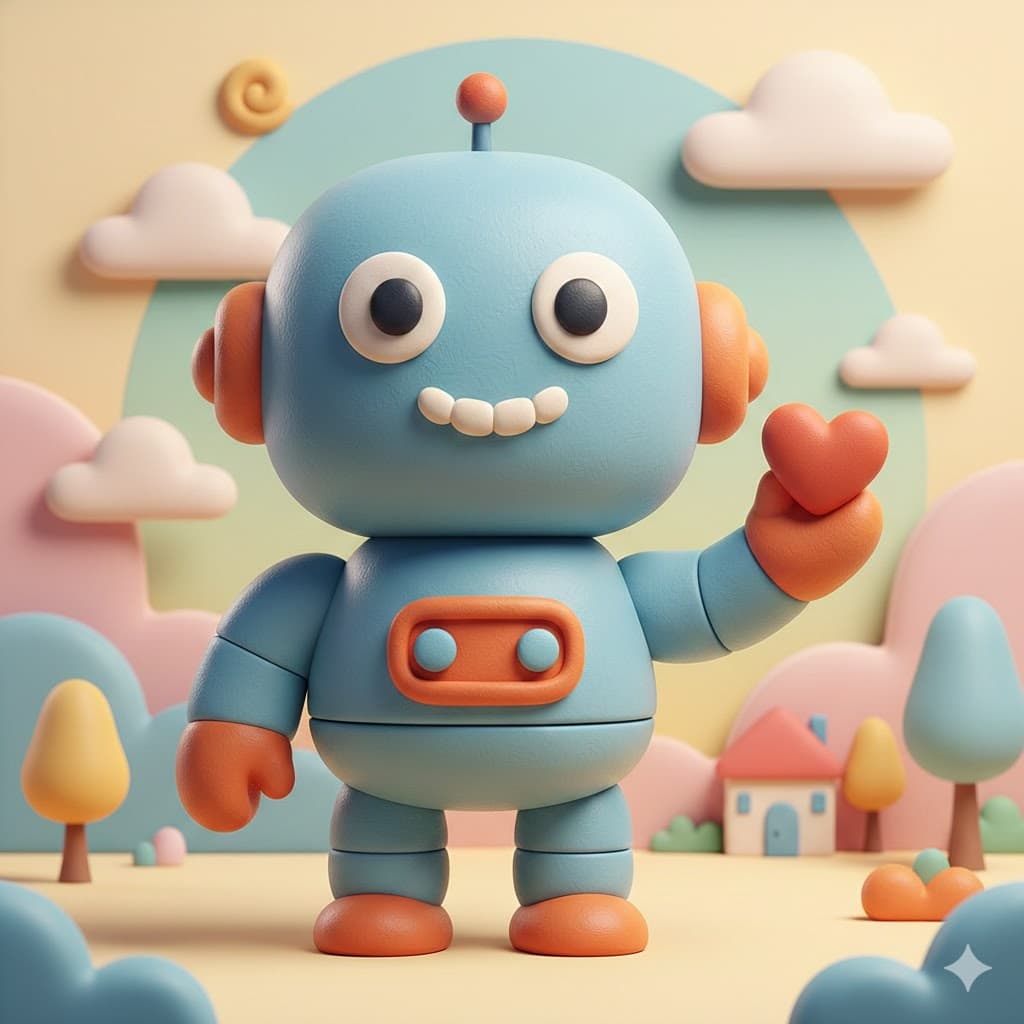
Claymorphism, a cute 3D style that looks round and squishy like clay
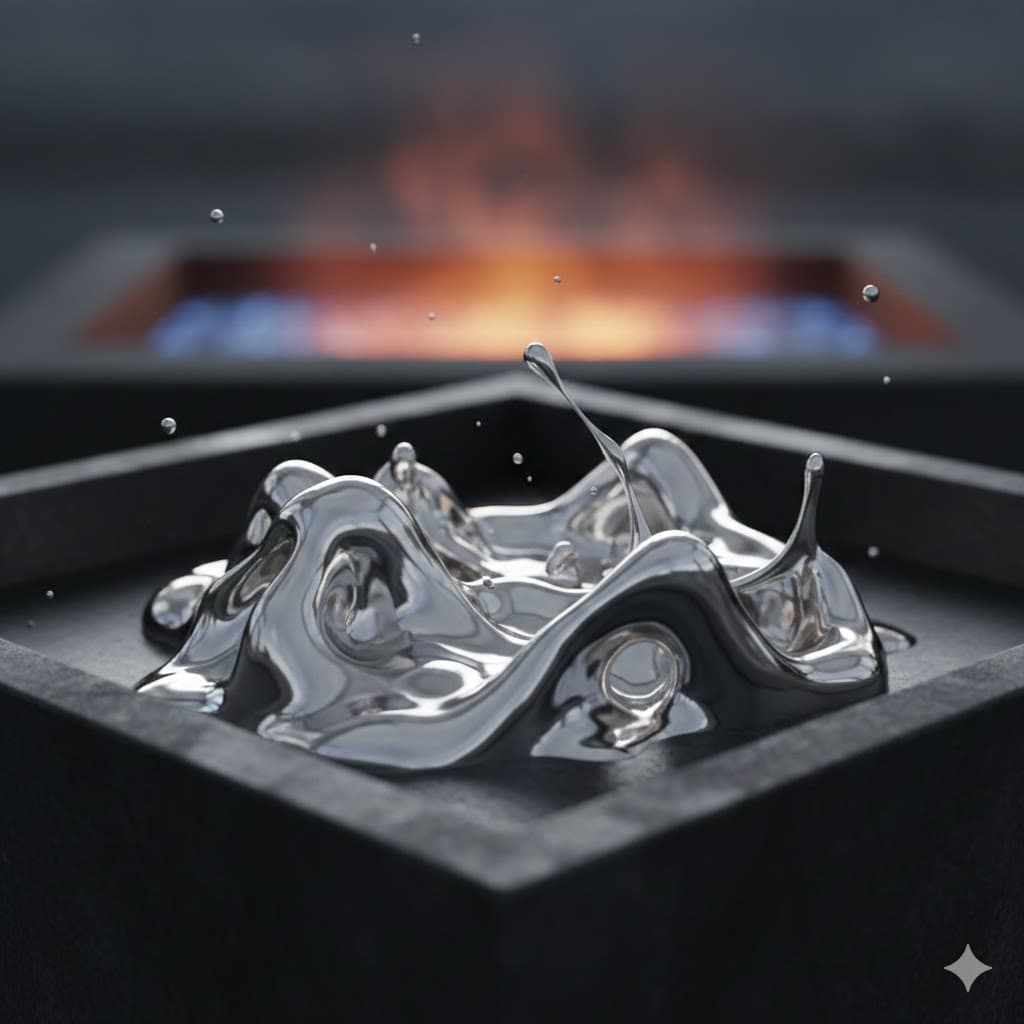
Liquid metal, flowing silver metal material like Terminator T-1000

Subsurface scattering, a translucent material that softly glows as light passes through it, like jelly or candle wax