Types and Techniques of Lighting
Direction and Position of Light
The most basic element that determines the three-dimensionality of the subject.
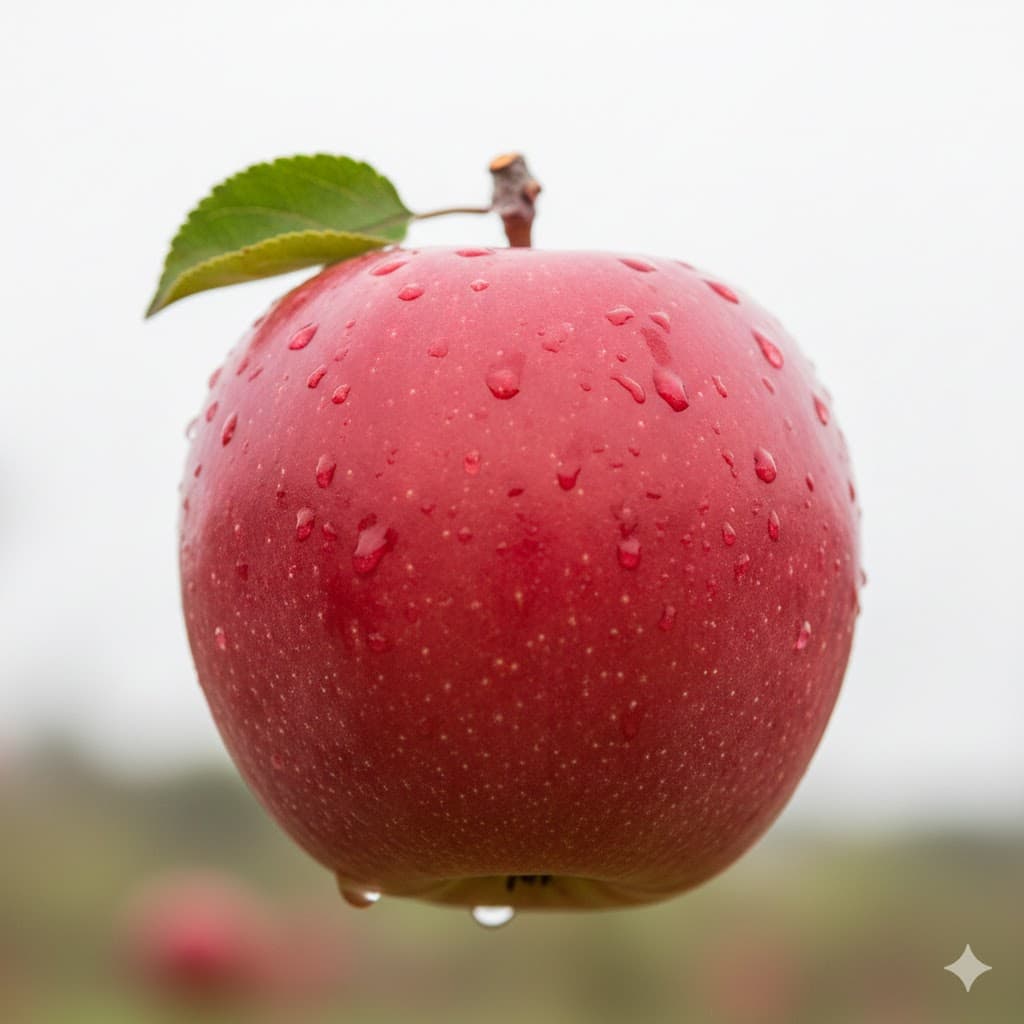
Front light, shining from the front of the subject, almost no shadows so it looks flat but details are clearly visible
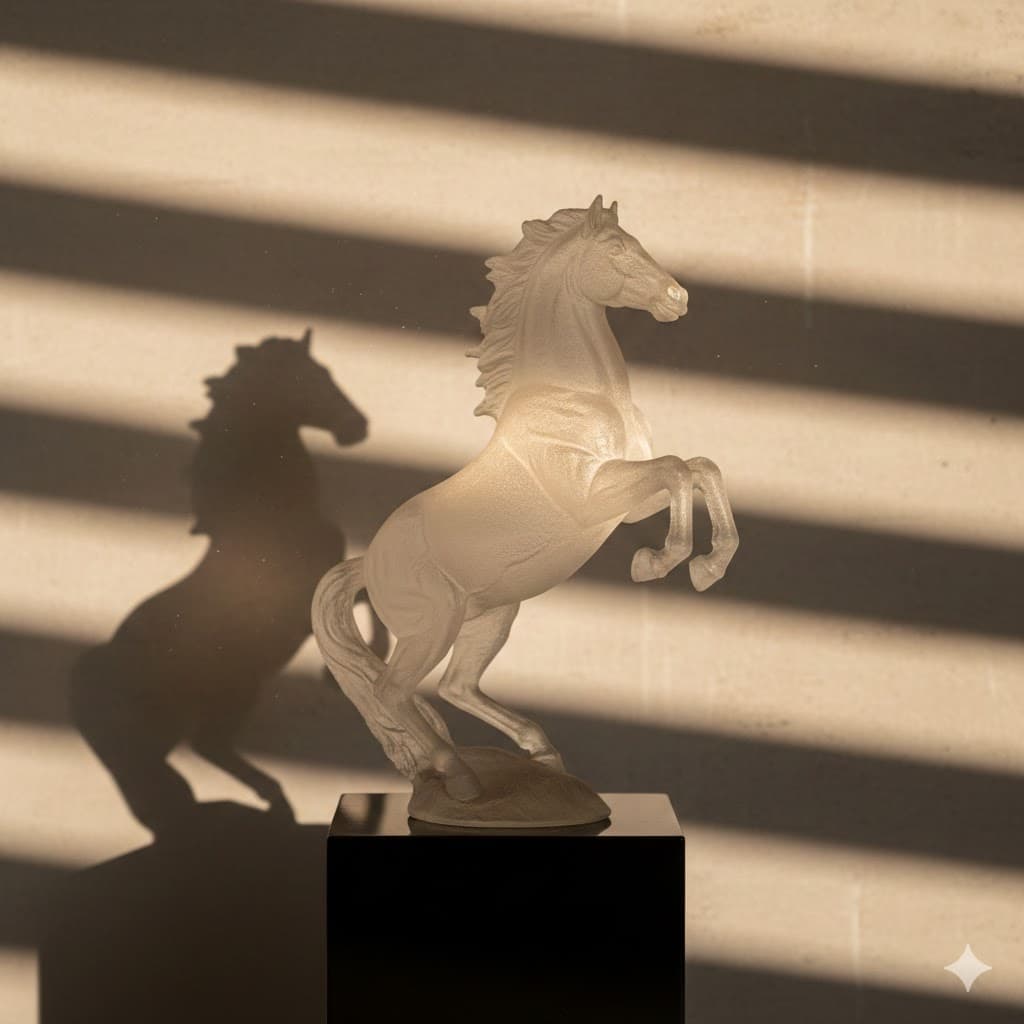
Side light, shining from the side, maximizes texture and three-dimensionality, suitable for dramatic portraits/landscapes
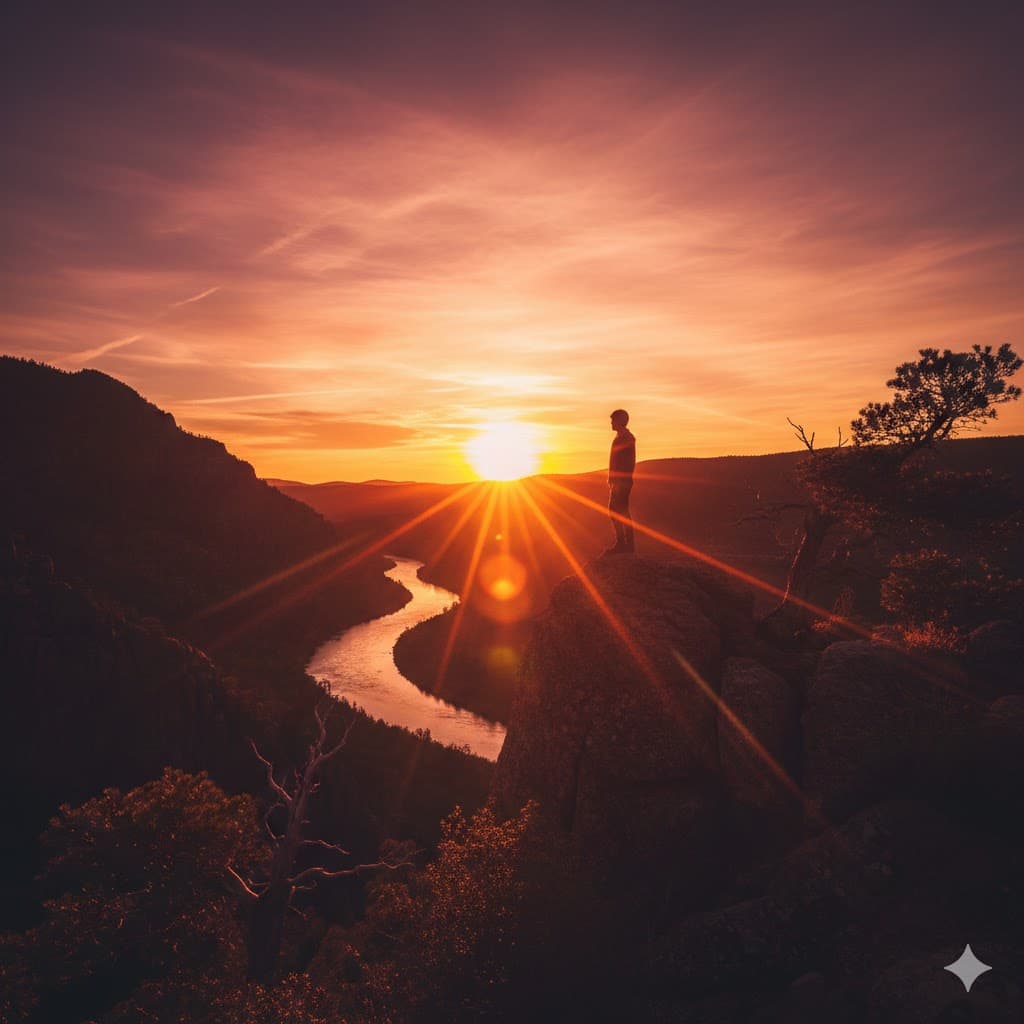
Backlight, shining from behind the subject, the person’s expression becomes dark but the silhouette and lines are emphasized
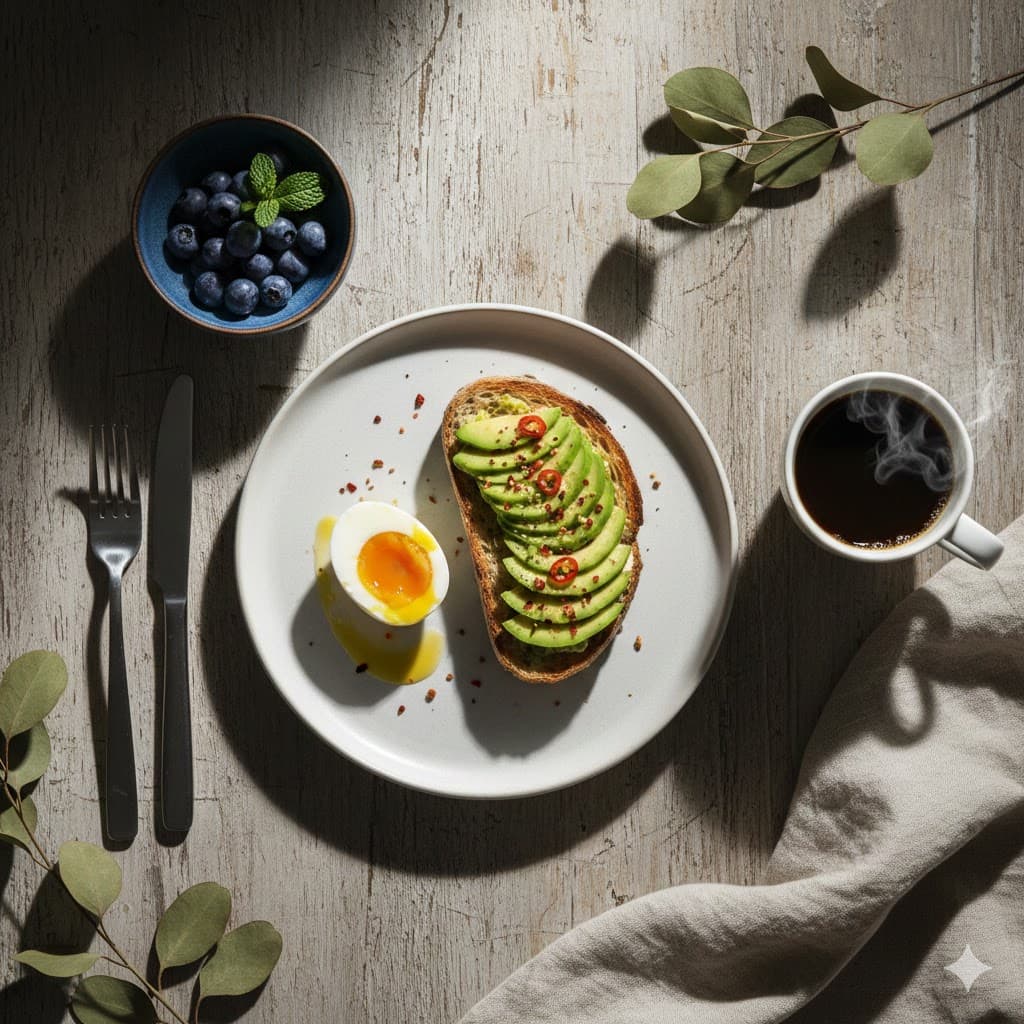
Top lighting, shining from above the head, gives a sublime or isolated feeling, casts shadows around the eyes
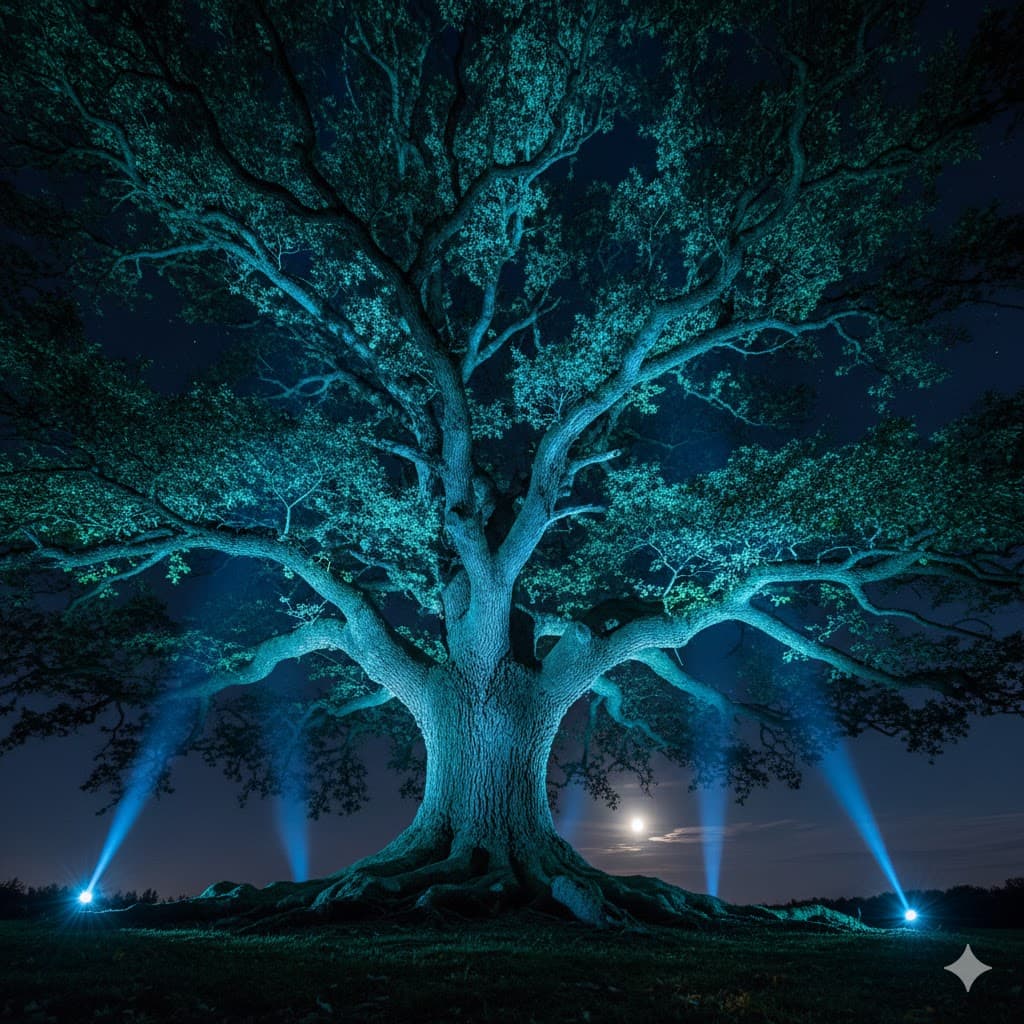
Uplighting, shining from below to above, creates a bizarre or intimidating atmosphere like a horror movie
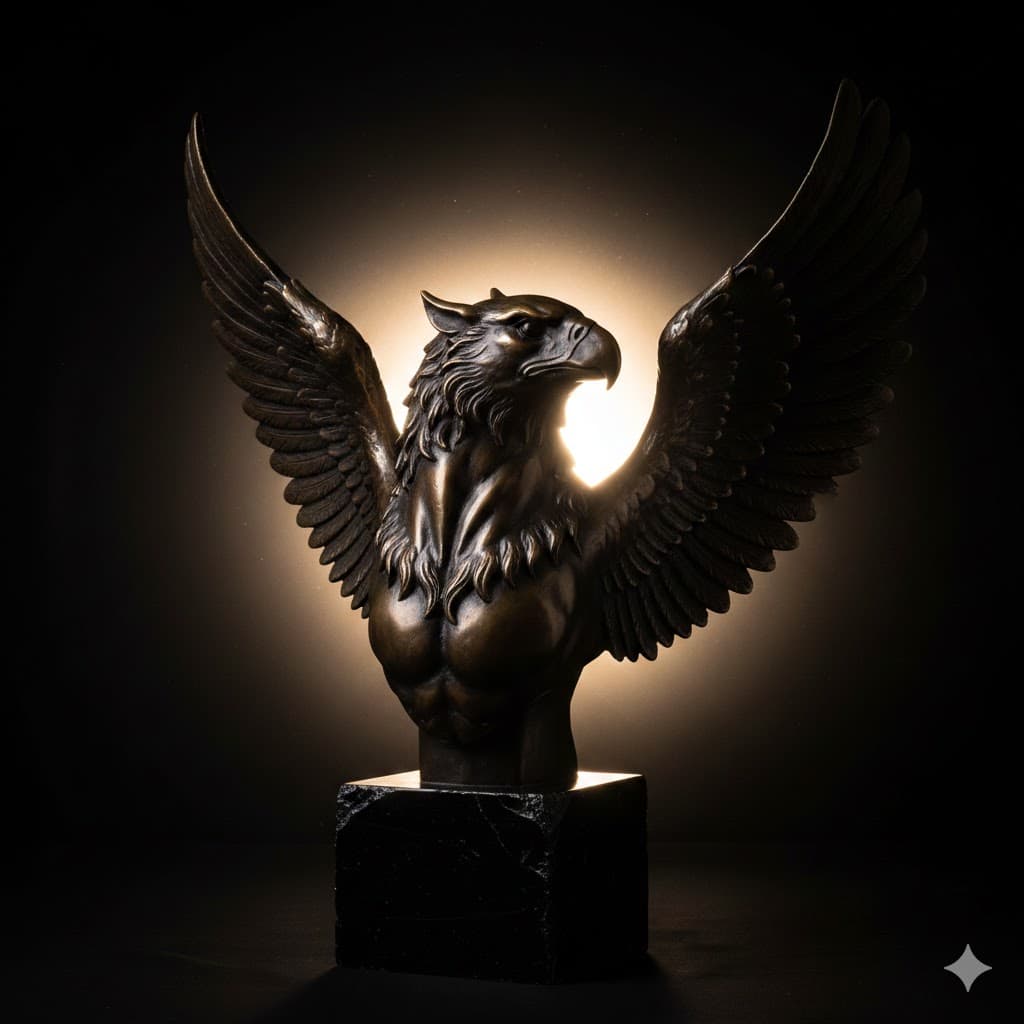
Rim light, shining diagonally from behind to create a band of light along the subject’s edges, essential for separating the subject from the background
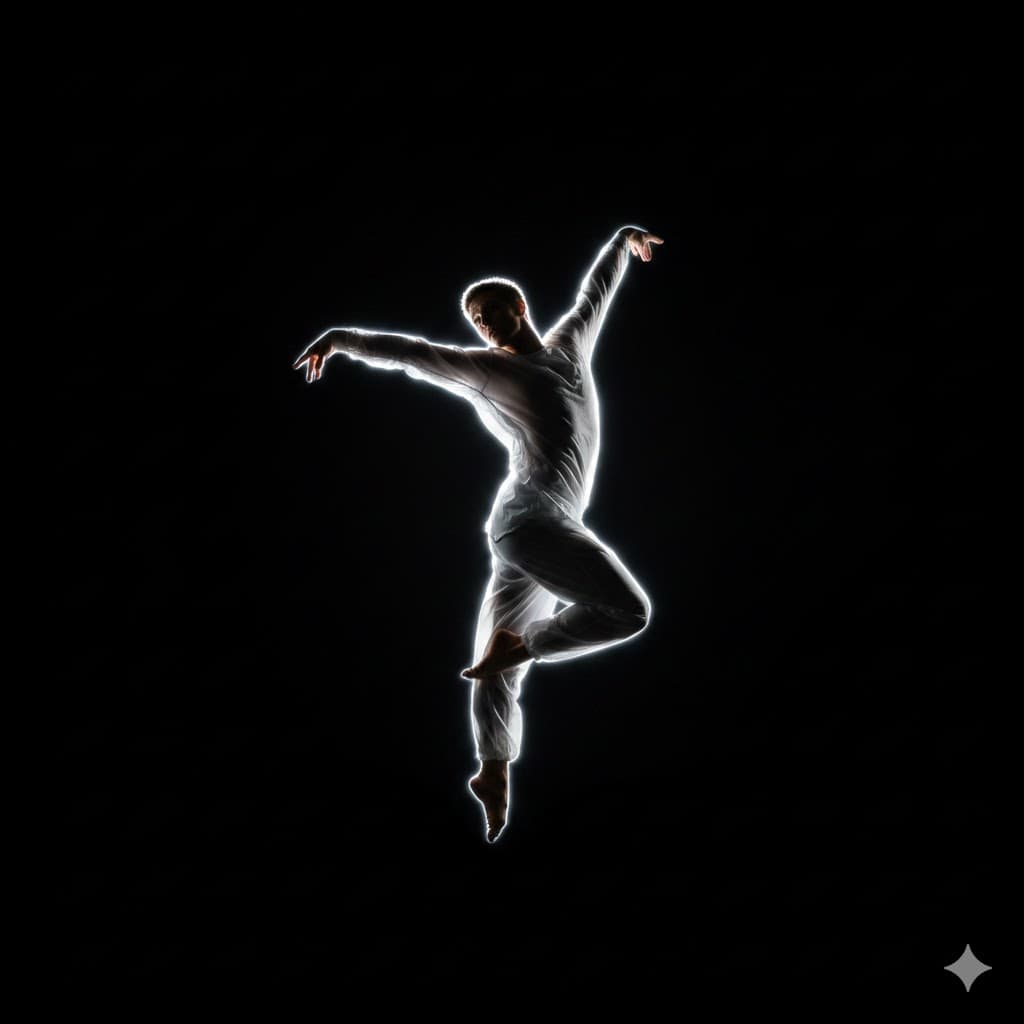
Kicker, similar to rim light but shining a bit more from the side to emphasize the contours of the cheek or shoulder
Texture and Contrast of Light
Controls the density and edges of shadows.
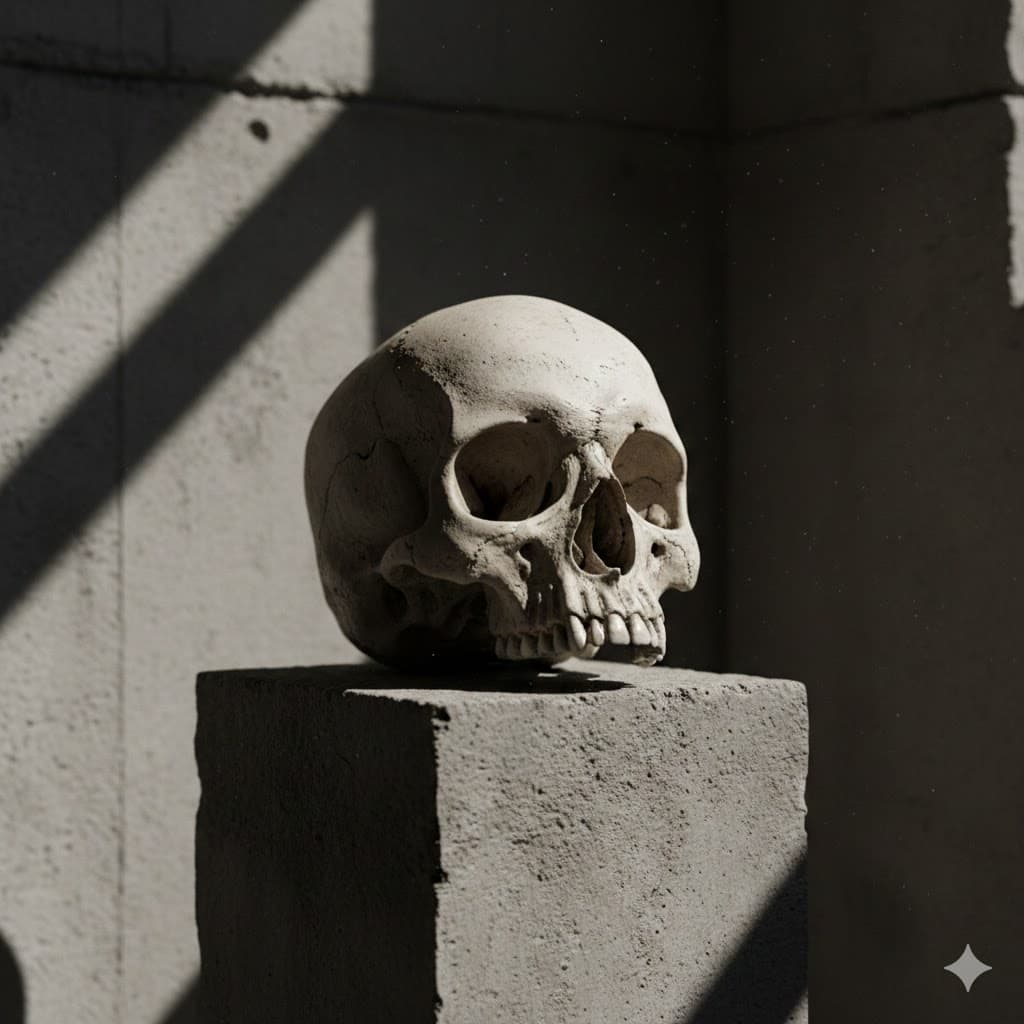
Hard lighting, small and strong light source, razor-sharp shadow edges and strong contrast, intense masculinity or noir
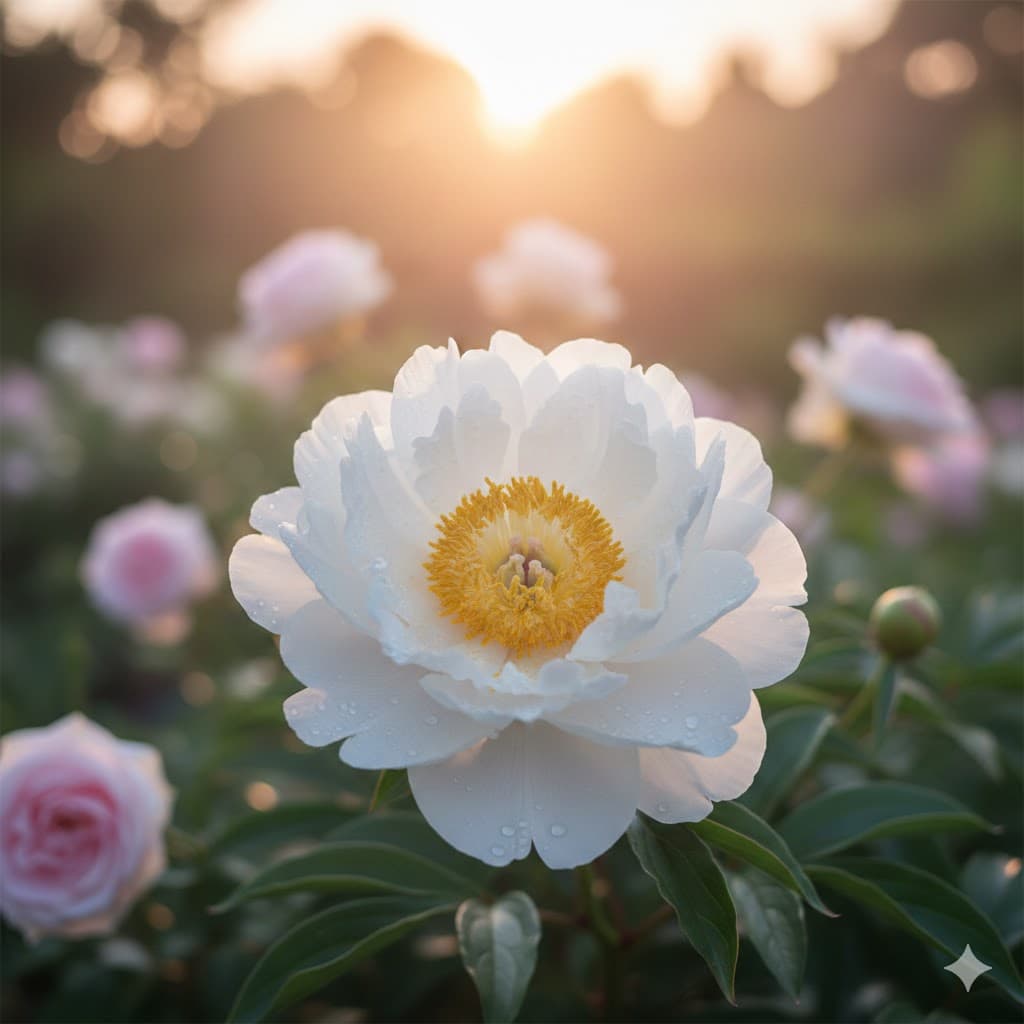
Soft lighting, large and diffused light source, shadows spread softly, used in beauty editorials or baby photos
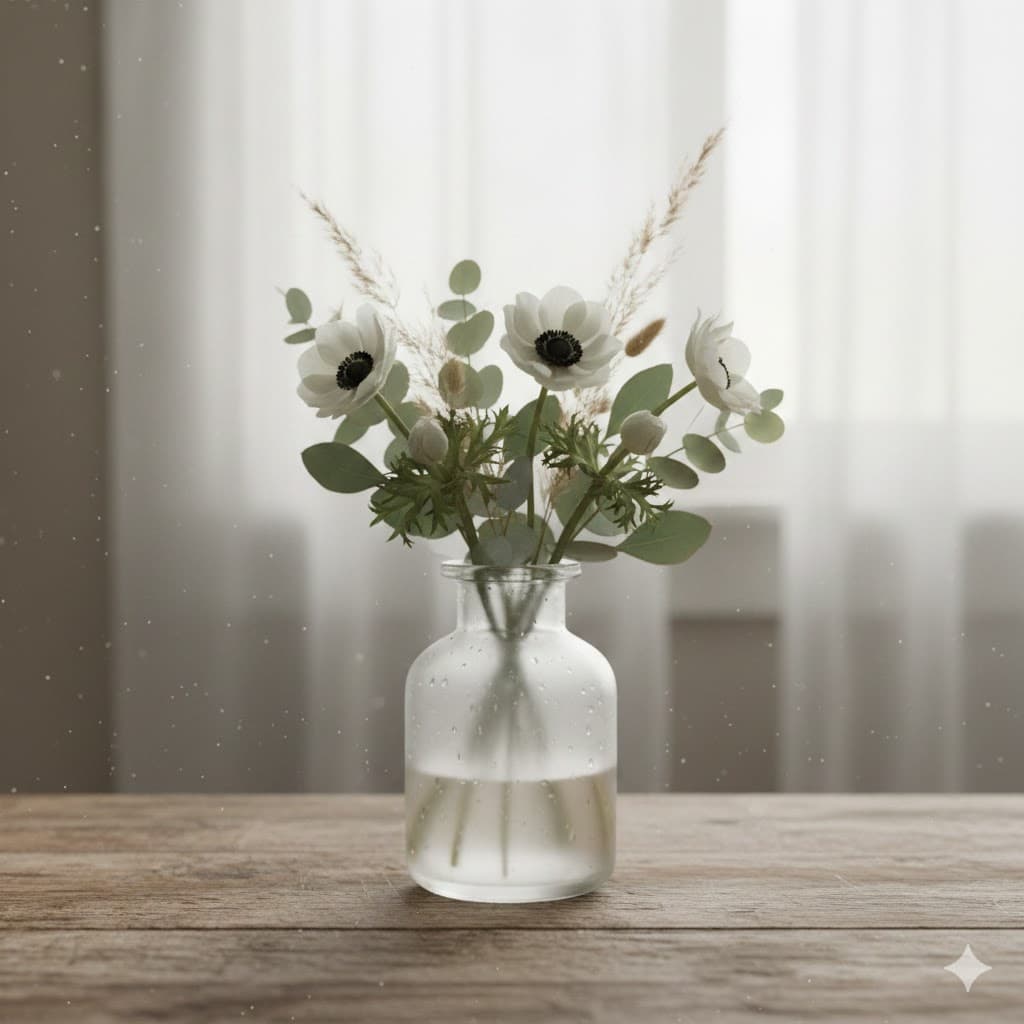
Diffused light, like light passing through clouds or curtains, spreads gently overall with no glare
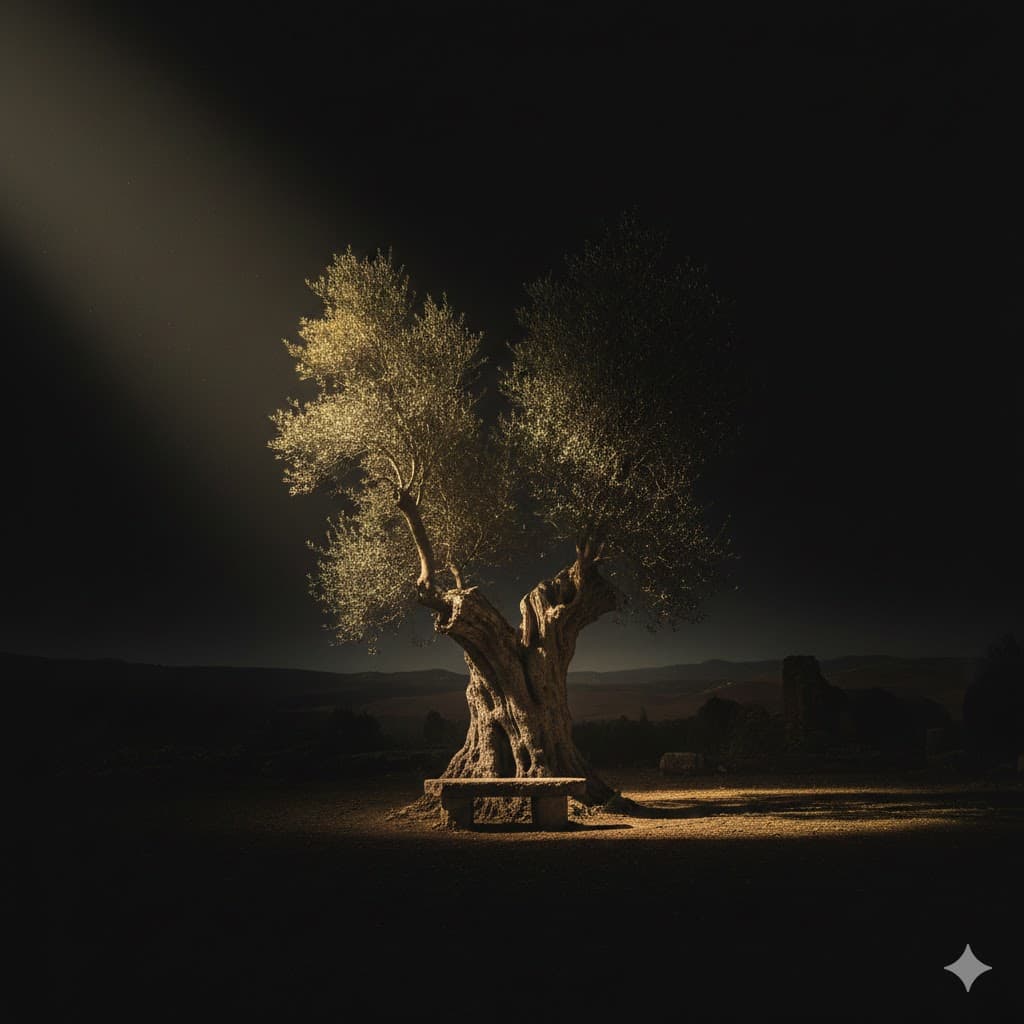
Chiaroscuro, a Baroque painting style that dramatically emphasizes the contrast between light and dark
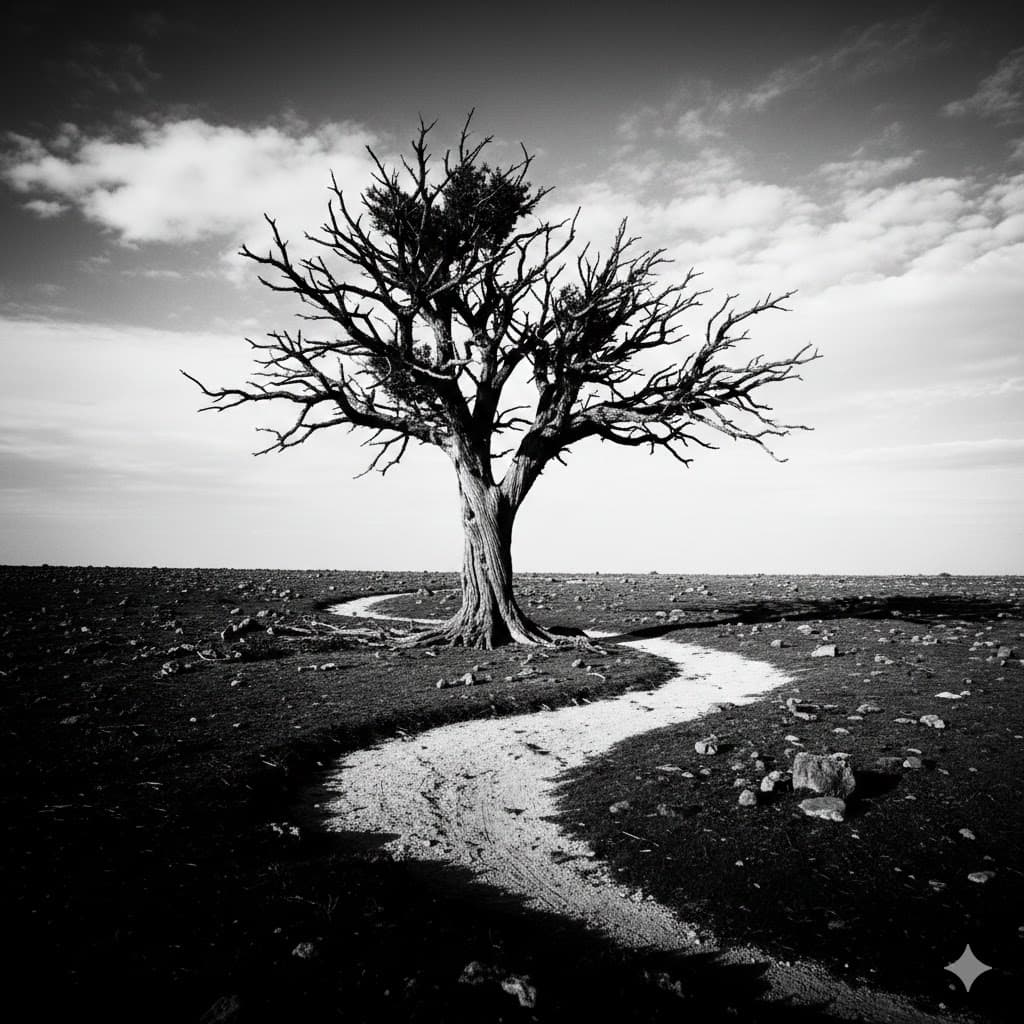
High contrast, very bright highlights and very dark shadows, leaves a strong impression
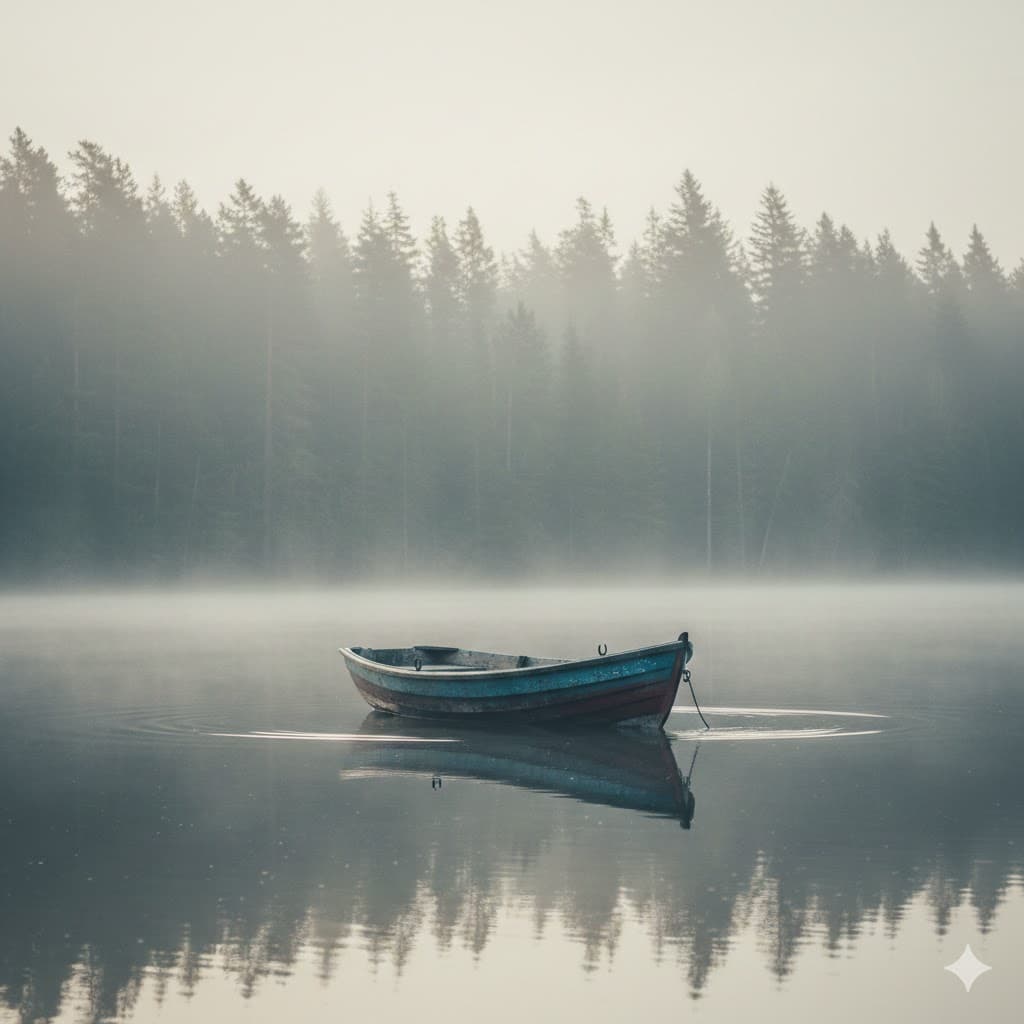
Low contrast, little difference between light and dark, giving a calm and vintage feel
Studio and Portrait Lighting Setups
Standardized lighting arrangements used by professional photographers in studios.
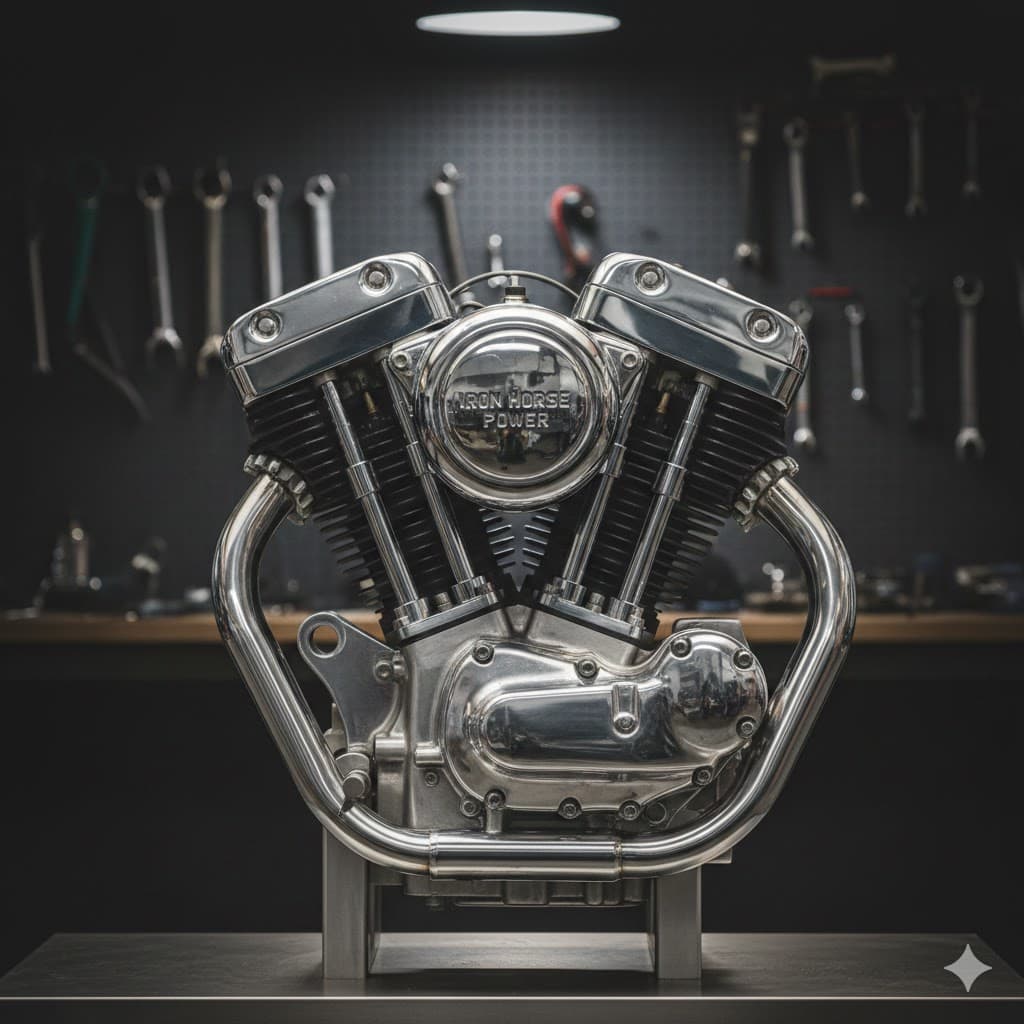
Three-point lighting, the most stable and three-dimensional 3D/broadcast standard lighting using key light + fill light + backlight
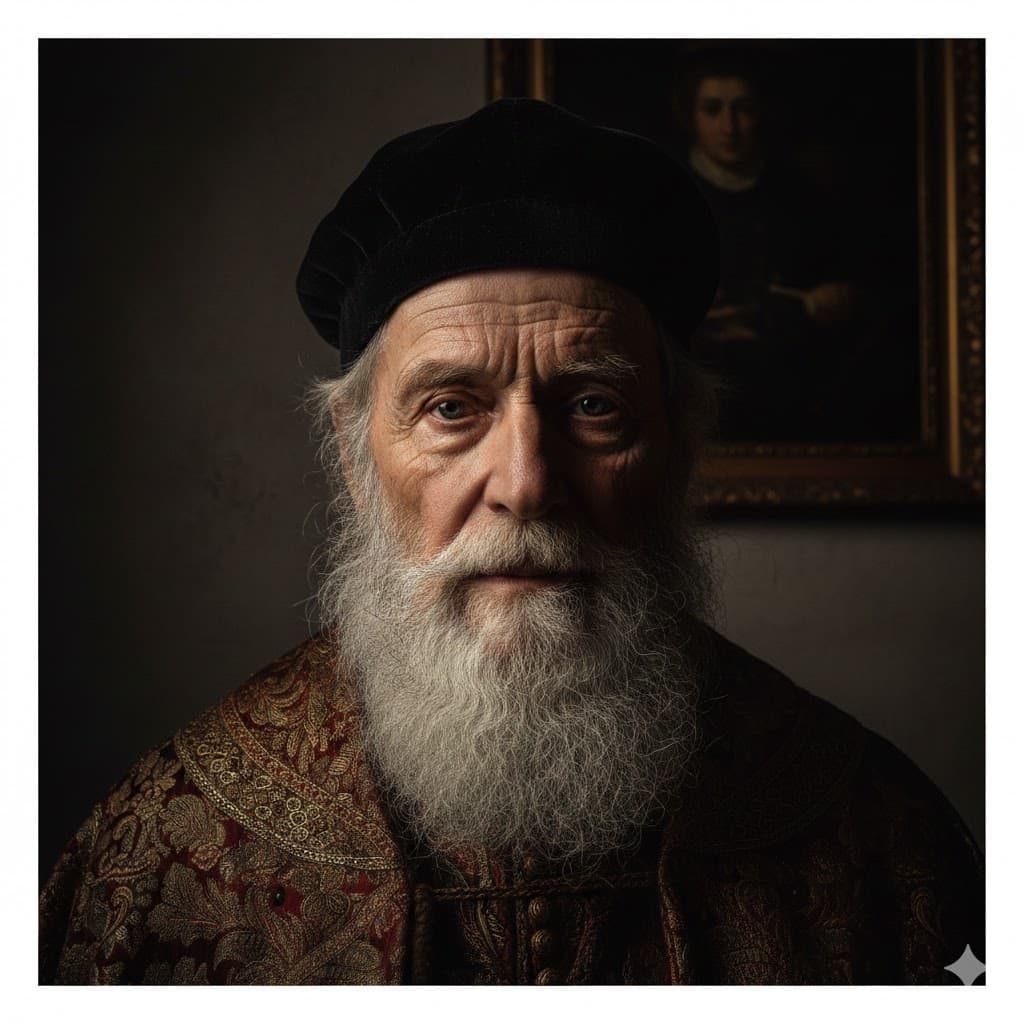
Rembrandt lighting, a classic and atmospheric technique that creates an inverted triangle of light on the cheek on the shadow side
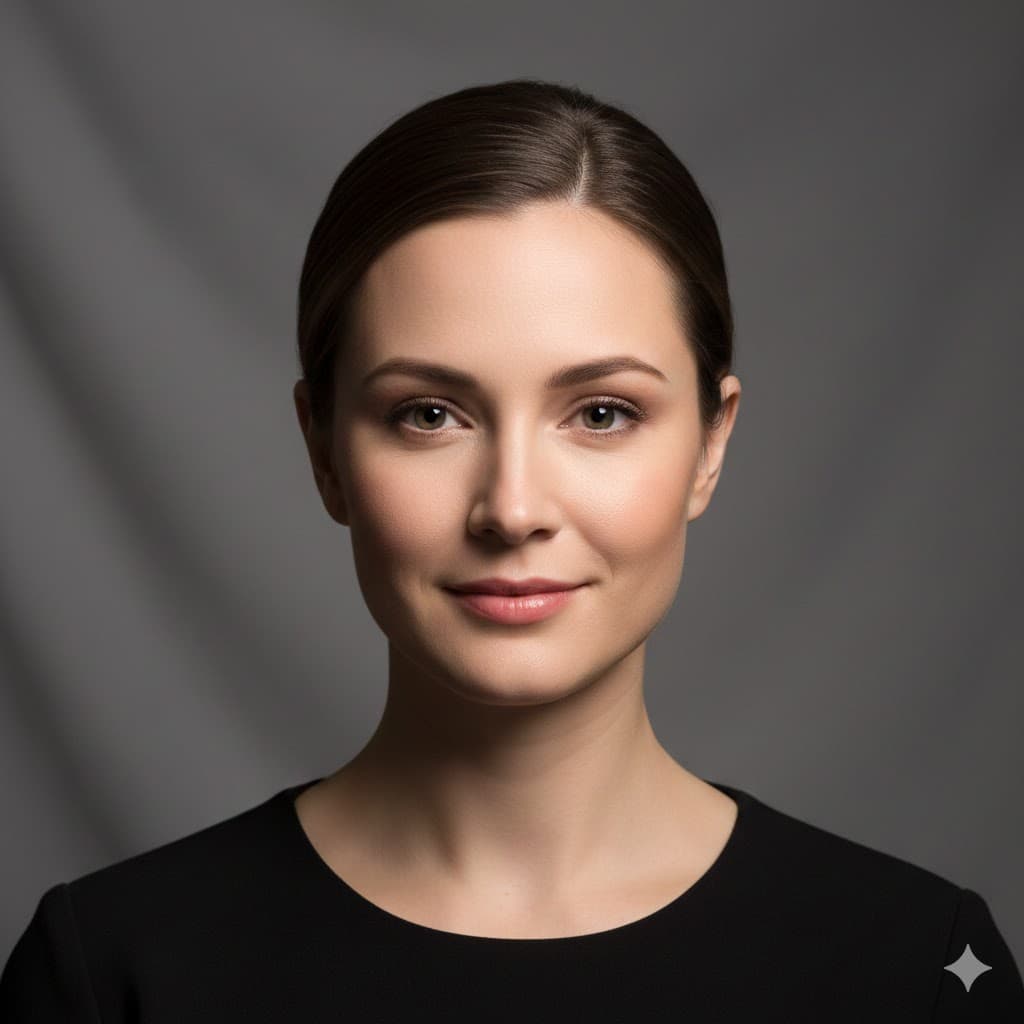
Butterfly lighting, shining from above and in front to create a butterfly-shaped shadow under the nose, makes the face look slimmer and glamorous
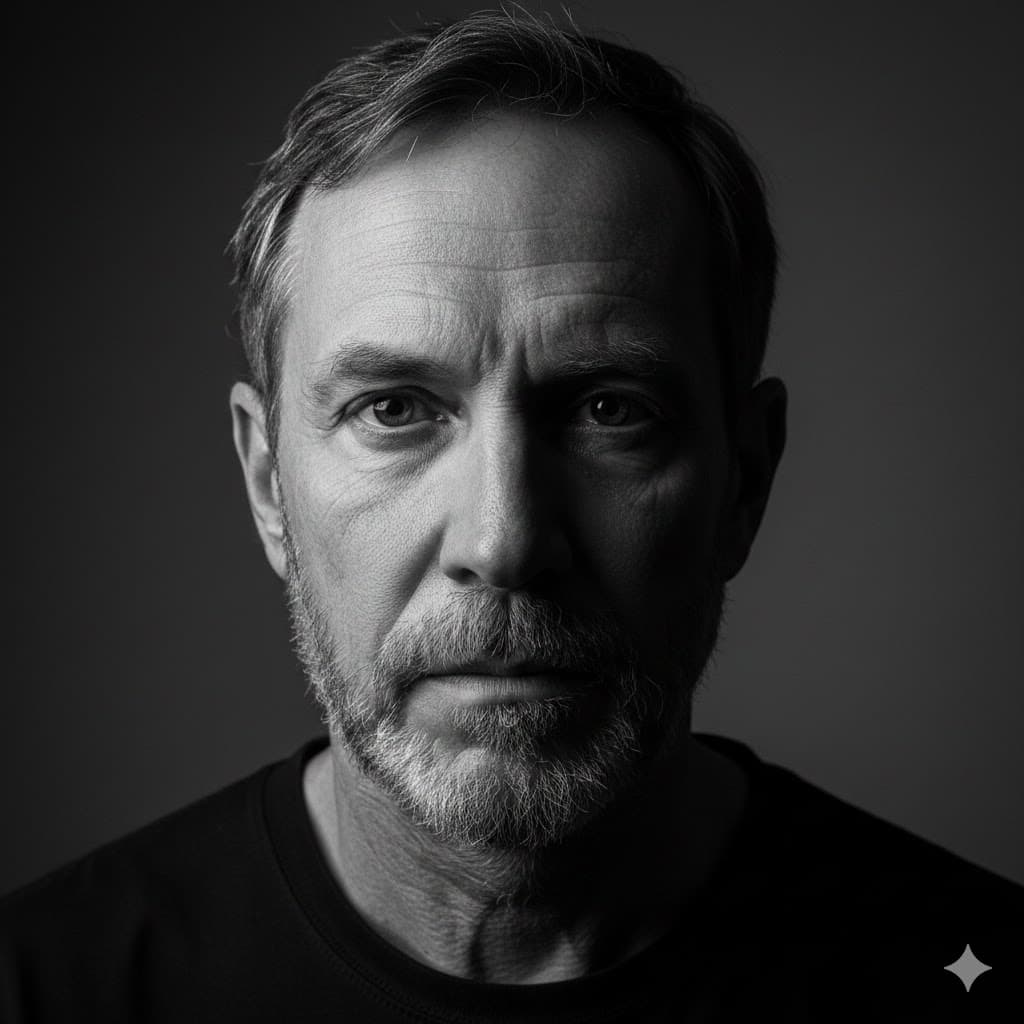
Split lighting, divides the face exactly in half into bright and dark, giving the impression of two different faces
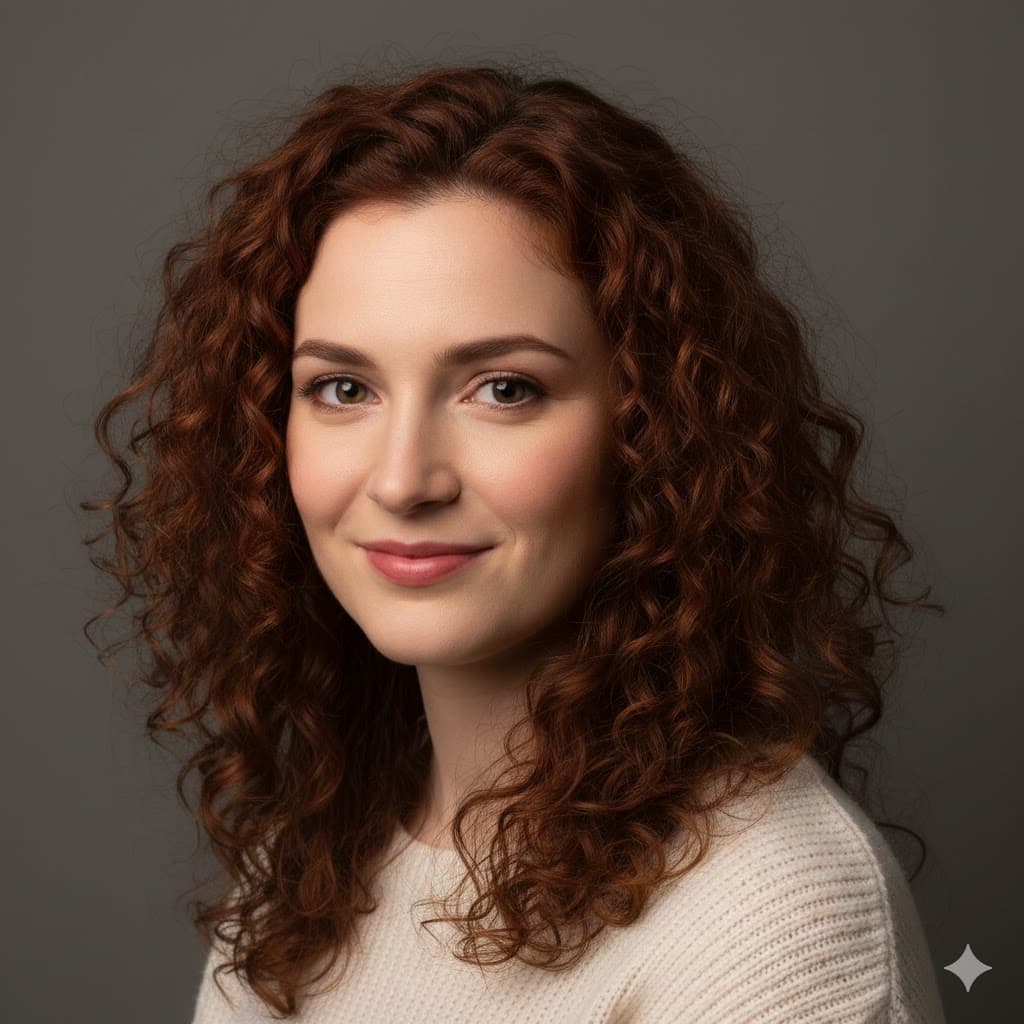
Loop lighting, the most standard and common portrait lighting that creates a small loop-shaped shadow next to the nose
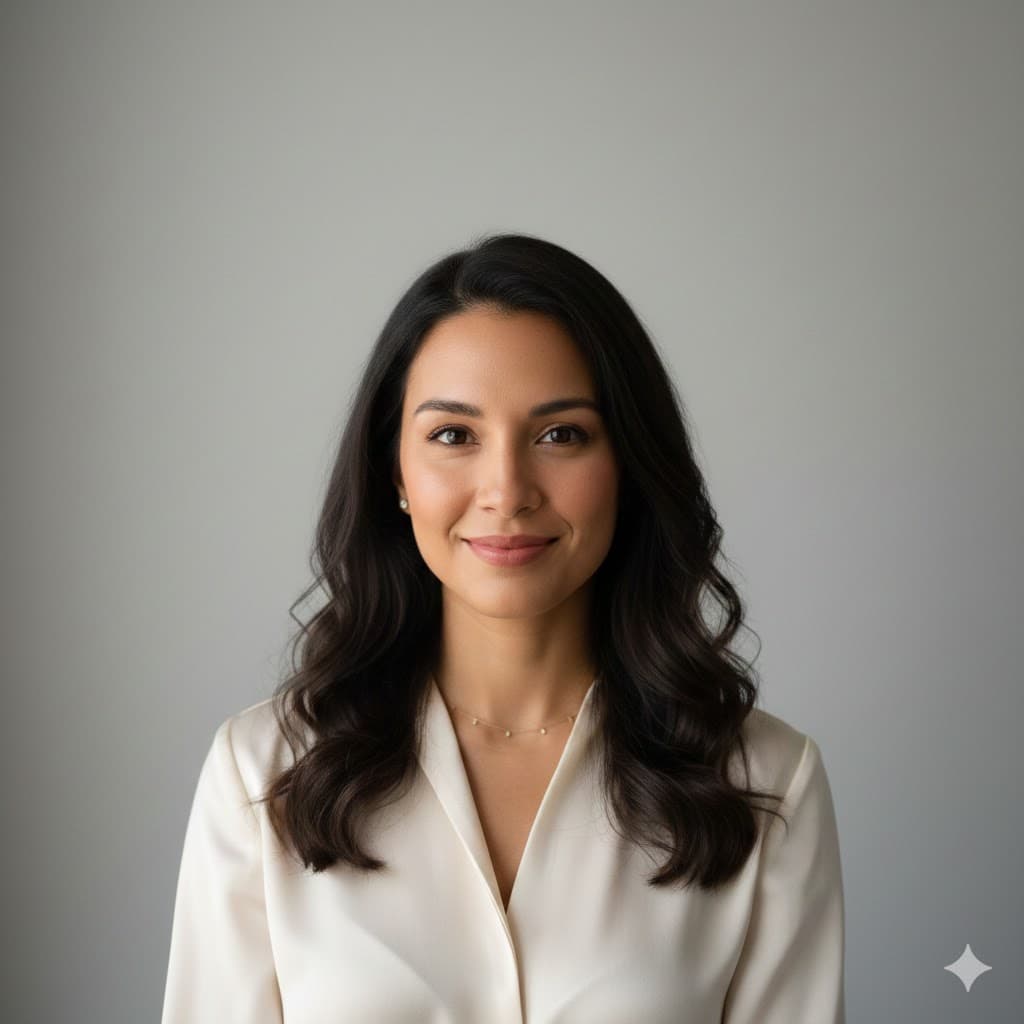
Broad lighting, brightly illuminates the wider side facing the camera, making the face look wider
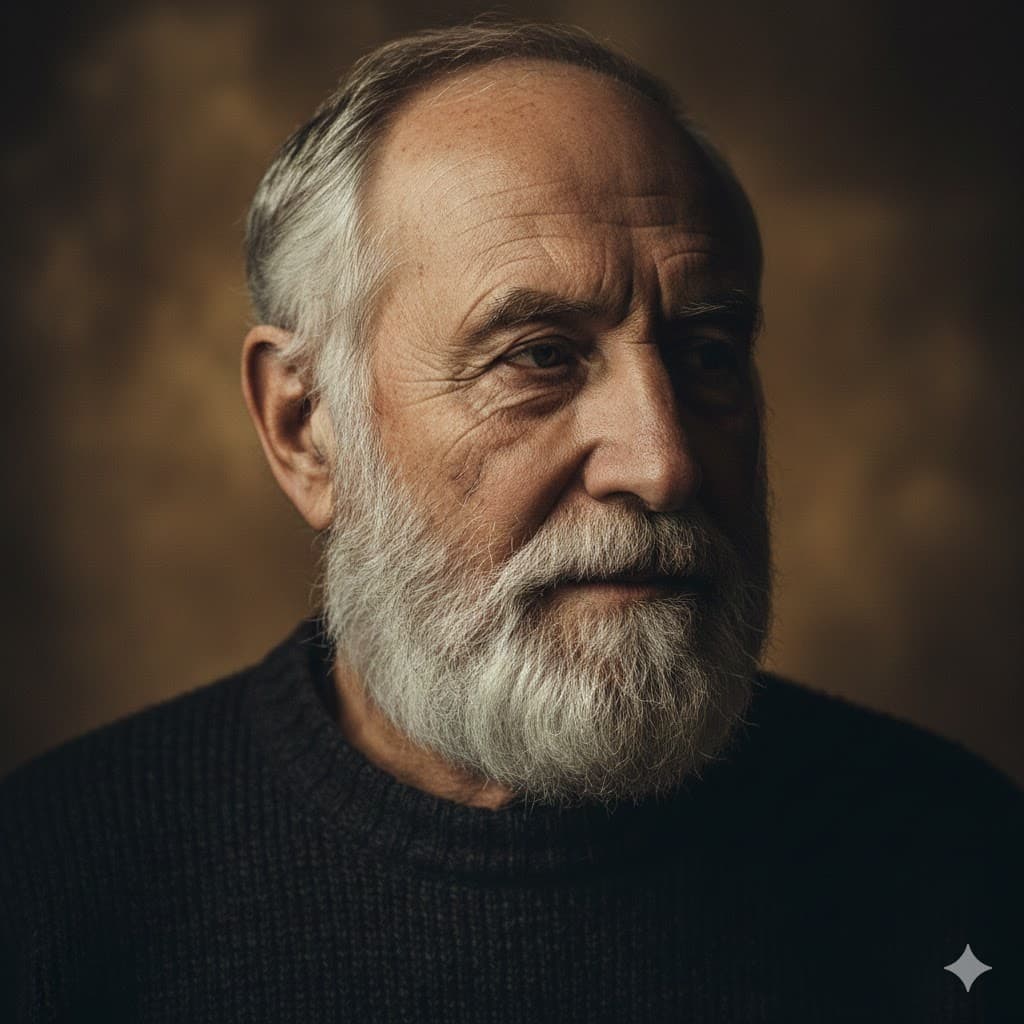
Short lighting, brightly illuminates the narrower side opposite the camera, making the face look slimmer and more three-dimensional
Environmental and Special Rendering Effects
Advanced techniques that add a sense of space and realism.
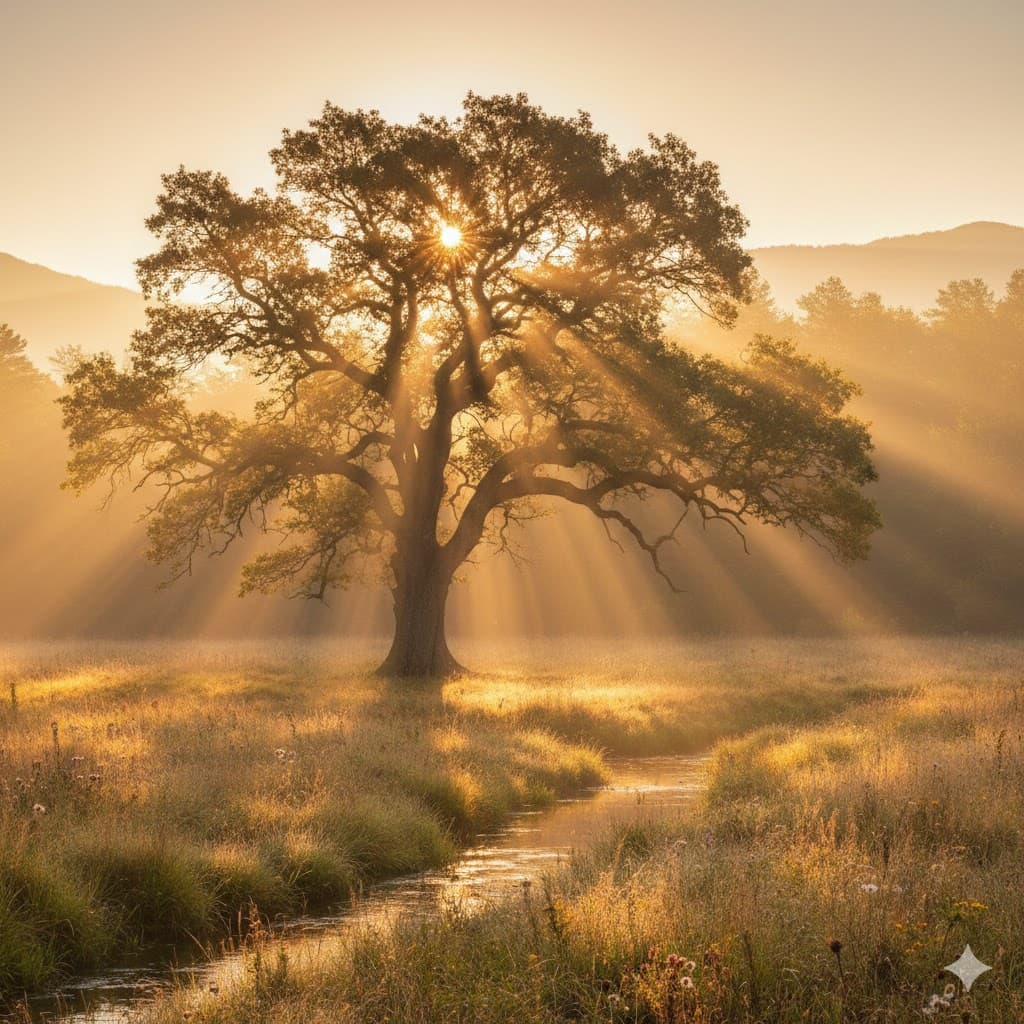
Volumetric lighting, a visible beam of light cutting through fog or dust, giving a sacred and majestic feeling
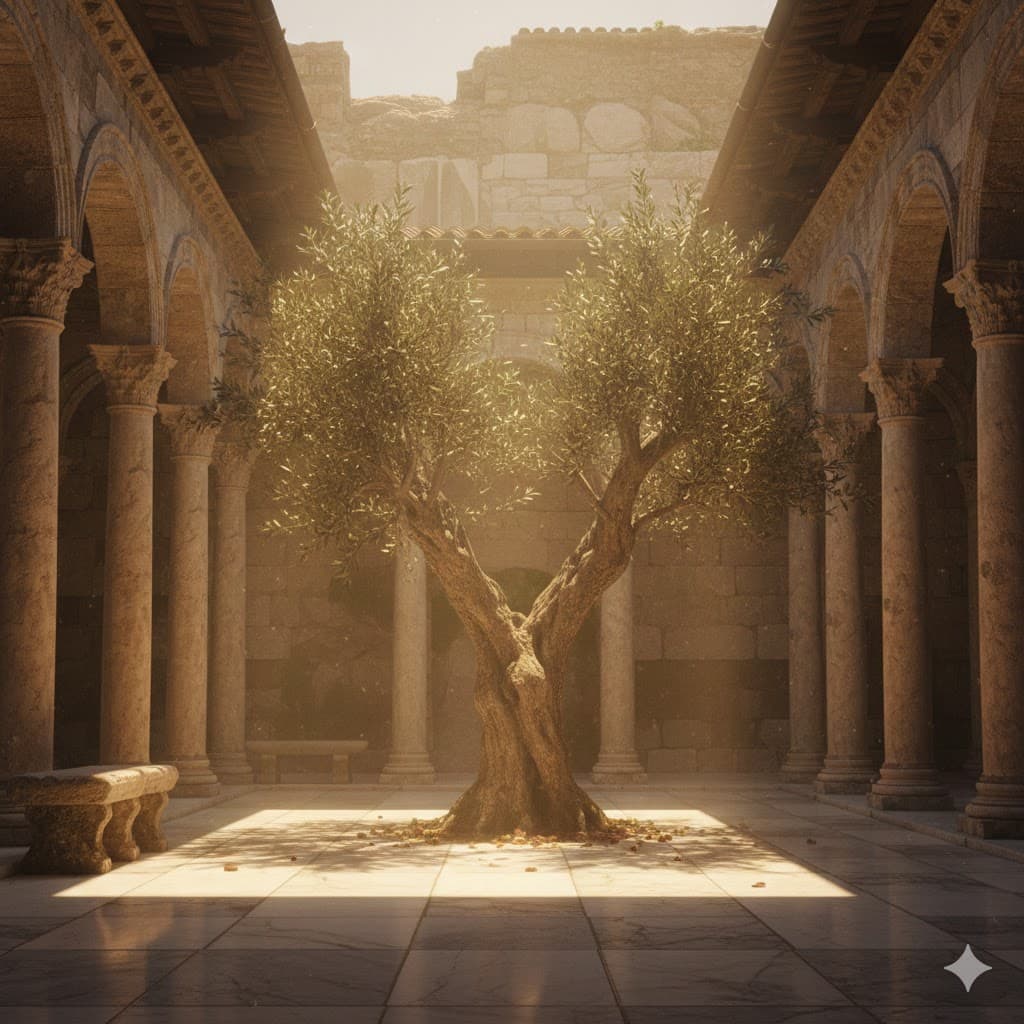
Global illumination, realistic 3D lighting where light bounces off walls or floors to gently fill the entire space
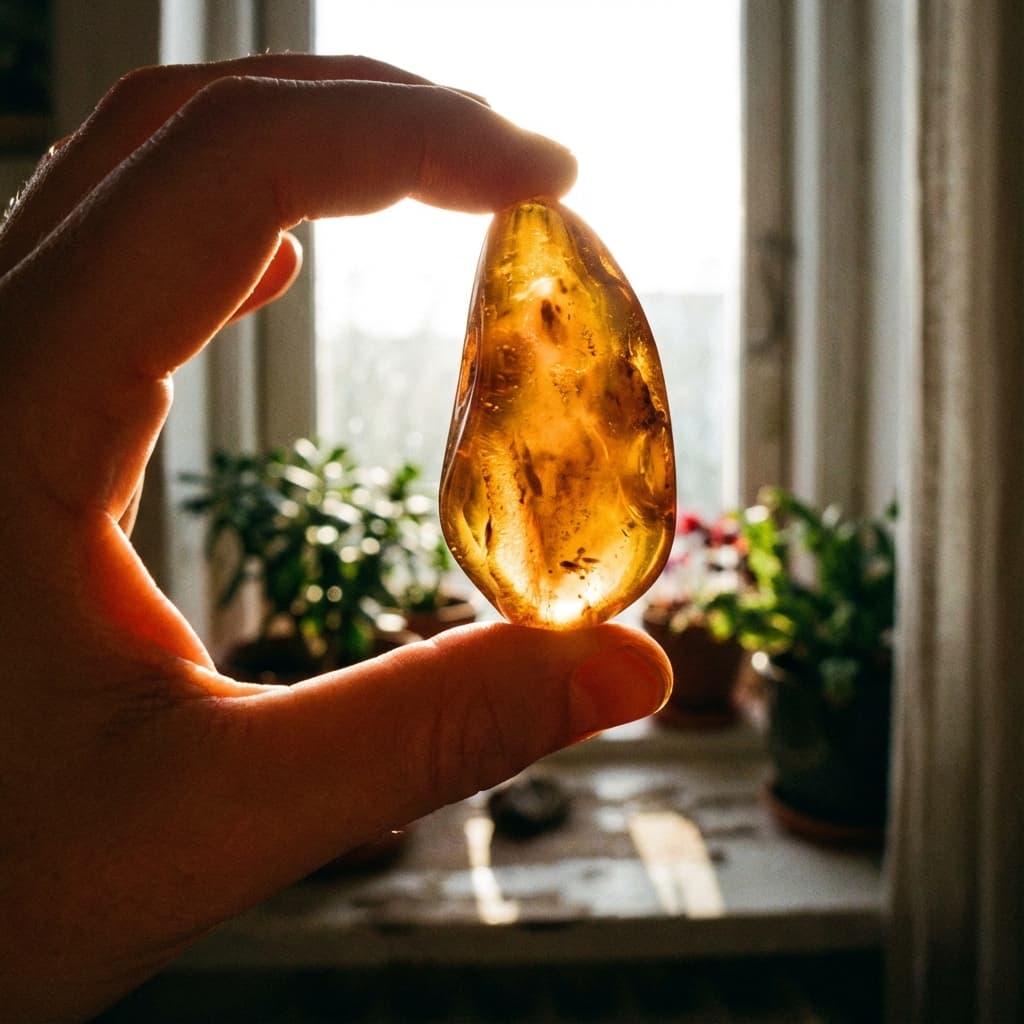
Subsurface scattering, light passing through skin, leaves, or jelly to create a reddish, translucent effect as if the inside is glowing
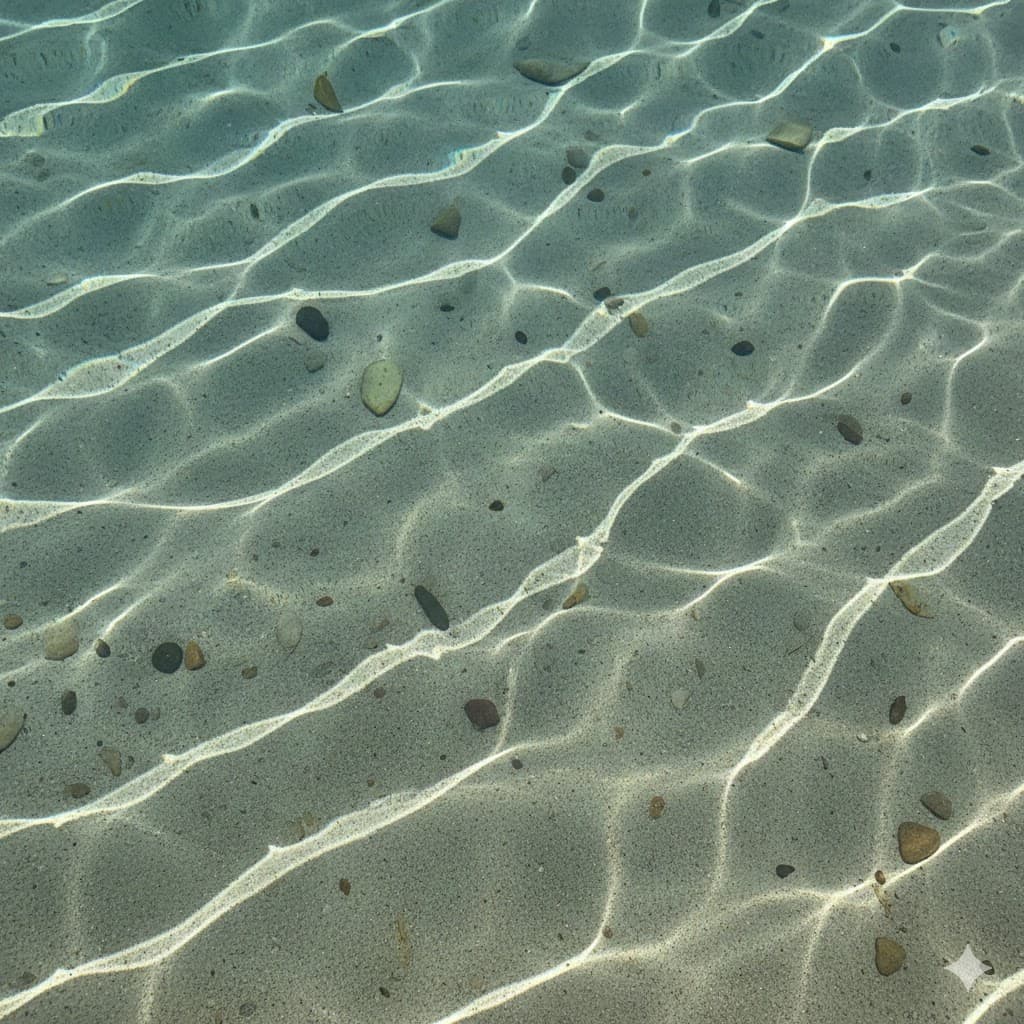
Caustics, shimmering mesh patterns of light created by refraction on a glass of water or the bottom of a swimming pool
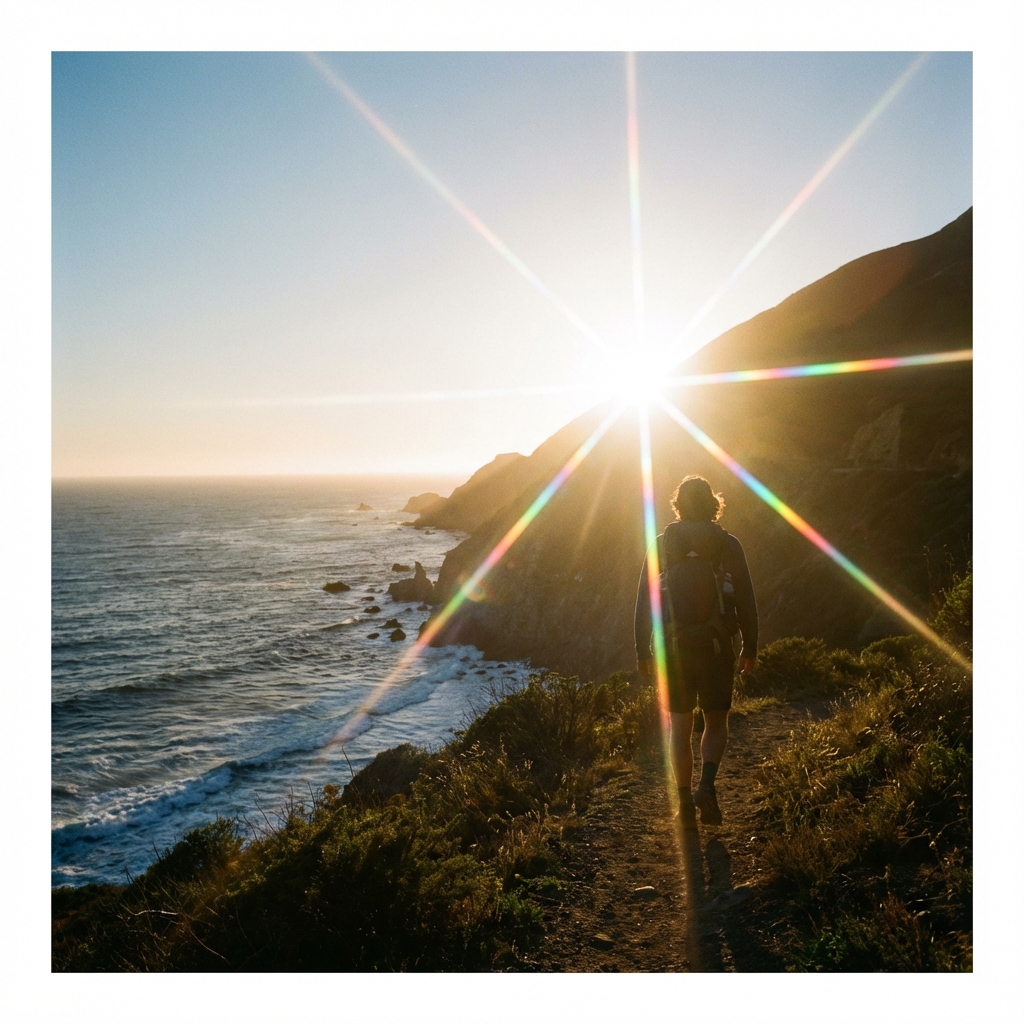
Lens flare, hexagonal light orbs that appear on the lens when facing a strong light source, giving a cinematic feel
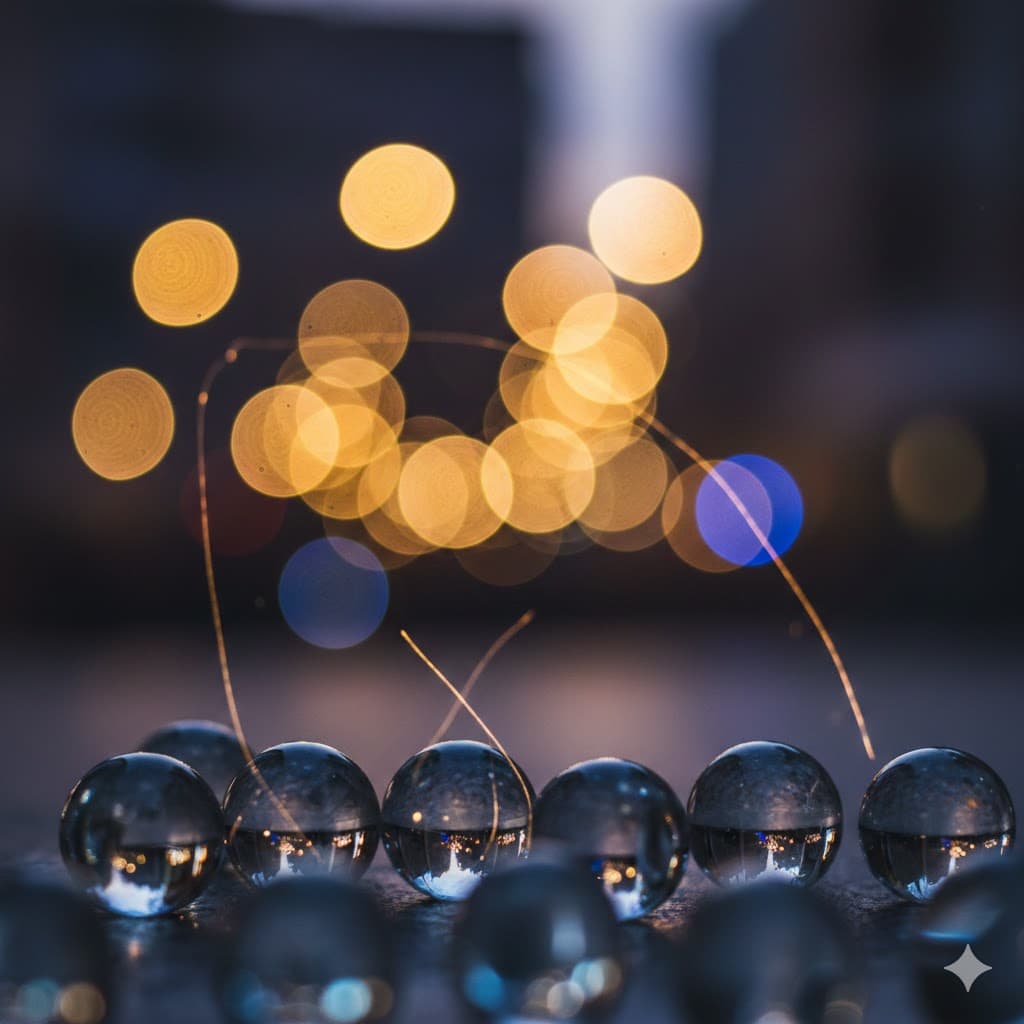
Bokeh, out-of-focus background lights forming soft, round blobs
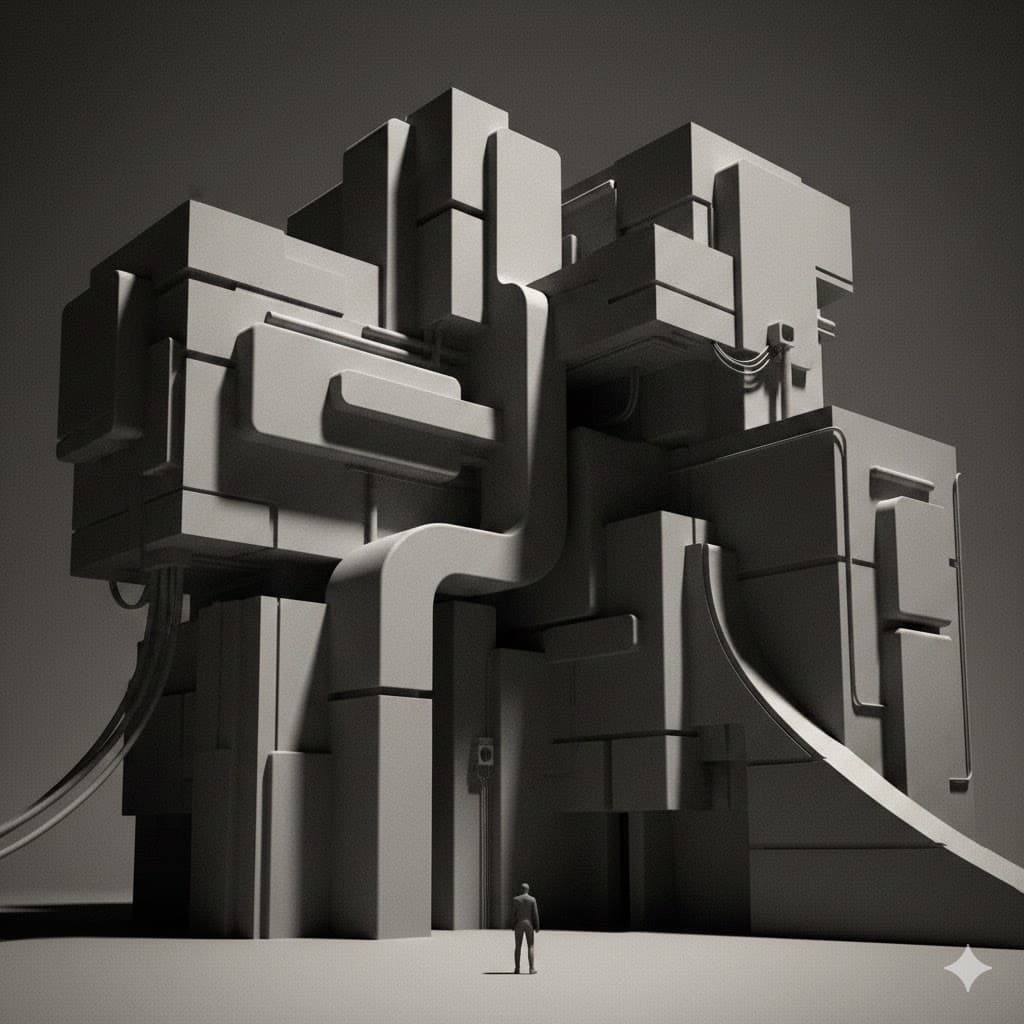
Ambient occlusion, emphasizes the subtle, dense shadows that form in tight corners to bring out detail