Composition
Balance & Placement Rules
This is the most basic and stable composition method.
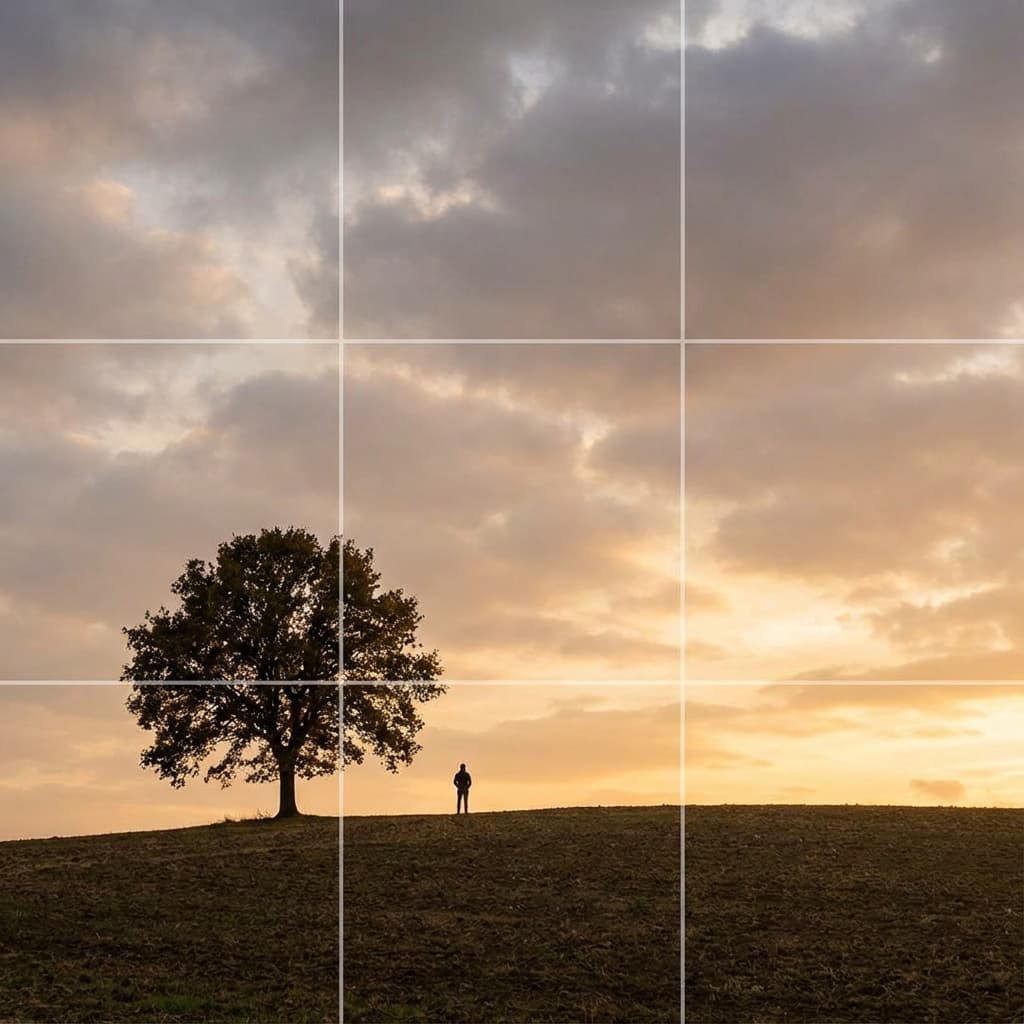
Rule of thirds composition, divide the frame into thirds horizontally and vertically and place the subject at the intersections; the most stable and fail-proof composition

Central composition/symmetry, an obsessive and orderly feeling where the left and right are perfectly symmetrical, like in a Wes Anderson film
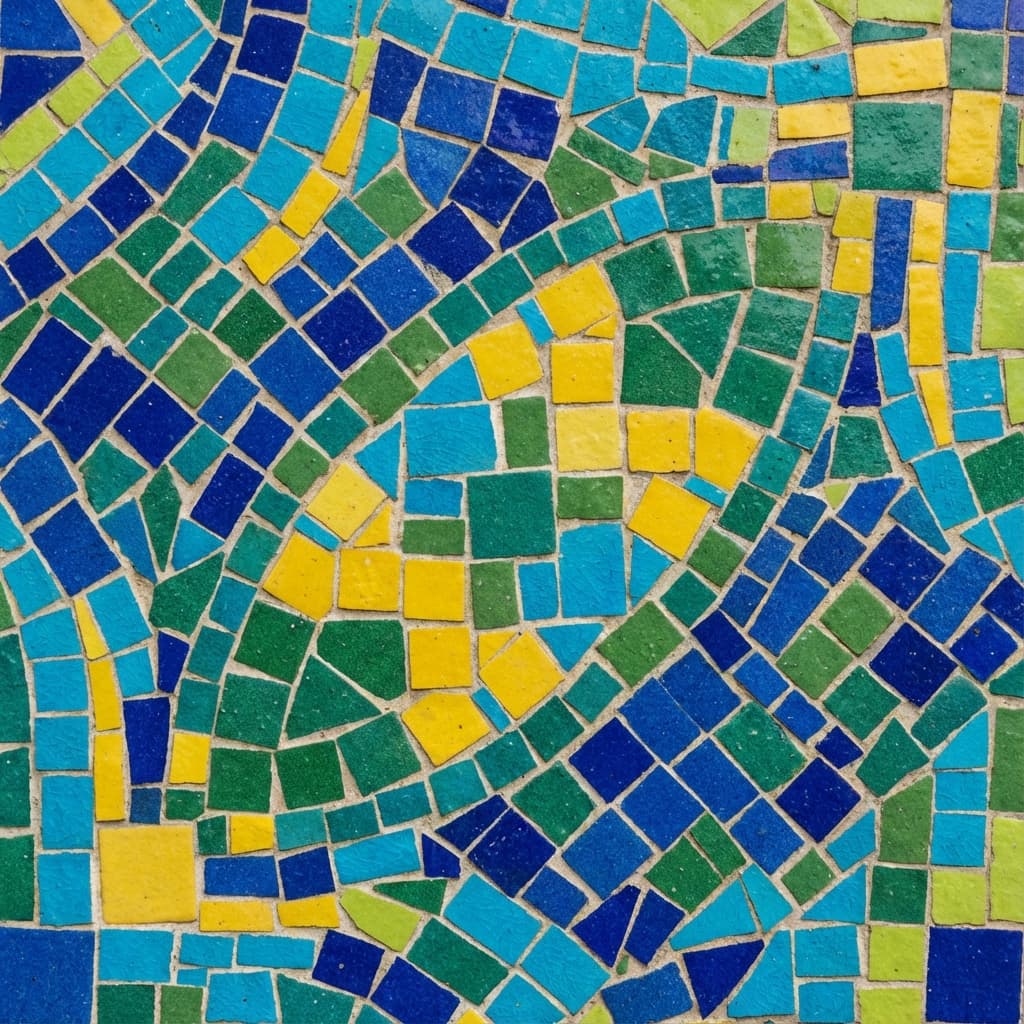
Fill the frame, pack the frame completely with the subject without any empty space to maximize detail and texture
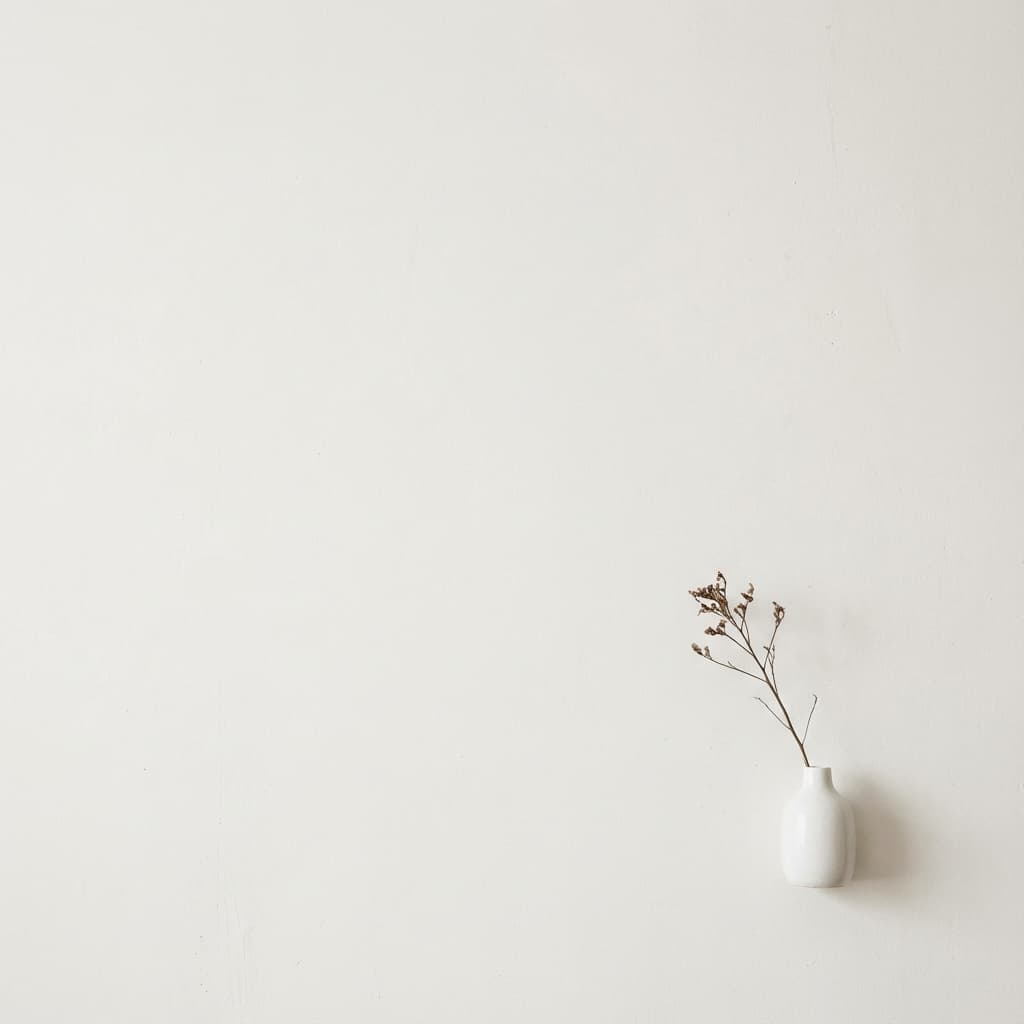
The beauty of empty space, keep the subject small and leave the rest as empty space to emphasize loneliness or the theme
Guiding the Gaze and Depth
A technique for drawing the viewer’s eyes to where you want them to go.

Leading lines/vanishing point guide lines, roads, fences, rivers, etc. stretch toward the subject to guide the gaze
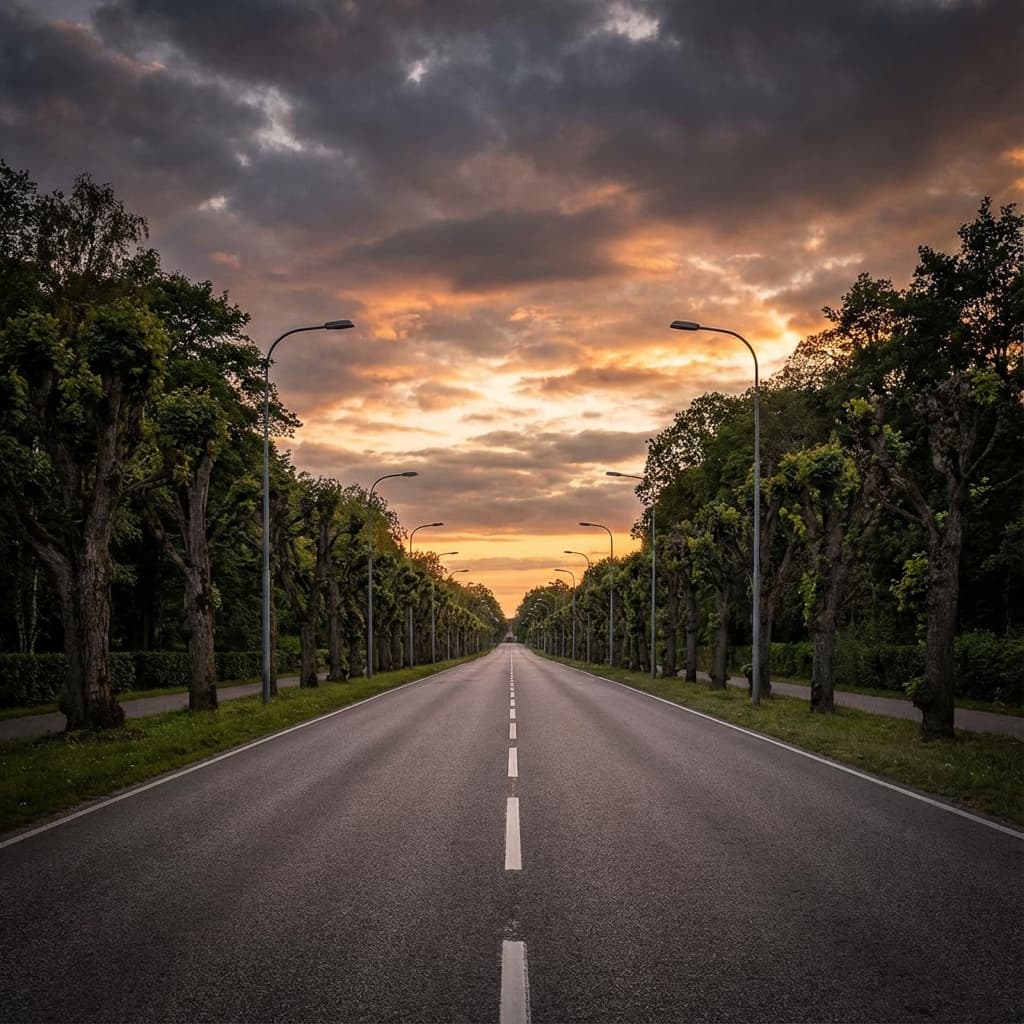
Vanishing point, a composition where all lines converge to a single point, like the end of a road, maximizing perspective
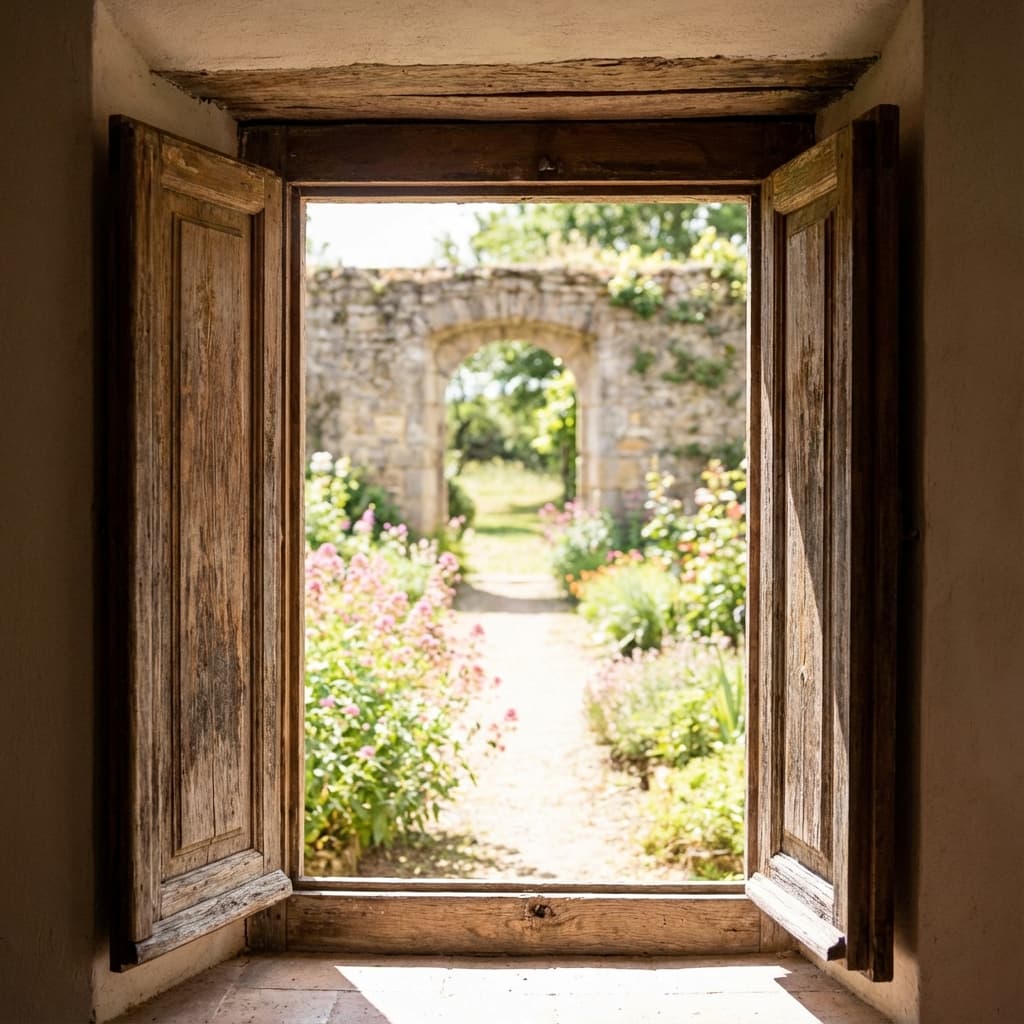
Frame composition, a composition where you see the subject inside through windows, cave entrances, mirrors, etc.

Layering, arrange foreground (Fore), midground (Mid), and background (Back) to give a sense of depth
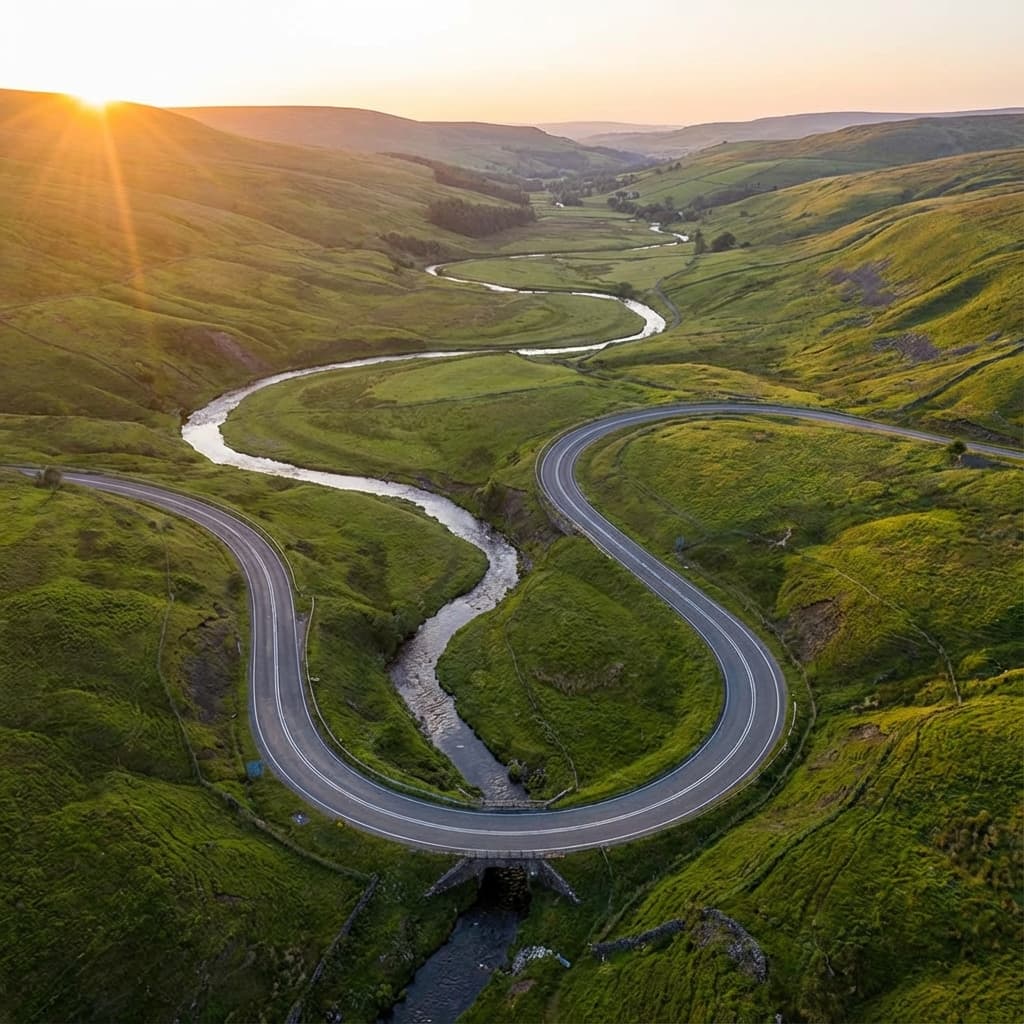
S-curve, a river or path meanders in an S-shape to gently guide the gaze
Dynamism and Contrast
This adds tension and interest to the frame.

Diagonal composition, place the subject along a diagonal line to express unstable yet dynamic movement

Triangle composition, arrange subjects in a triangular shape to give a sense of stability (upright triangle) or tension (inverted triangle)
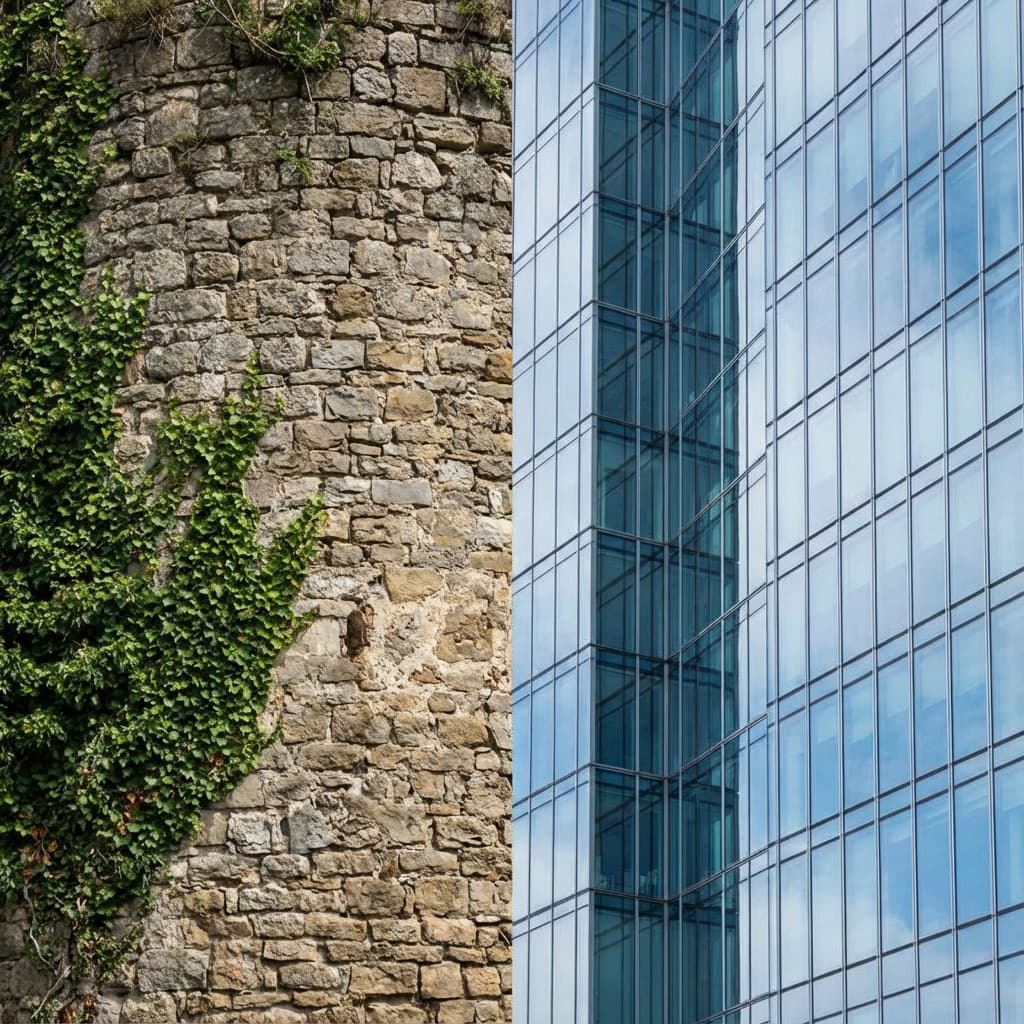
Juxtaposition/contrast, place big and small things, old and new things side by side to create a contrasting effect

Asymmetrical balance, left and right are different but the visual weight is balanced, giving a sophisticated feel
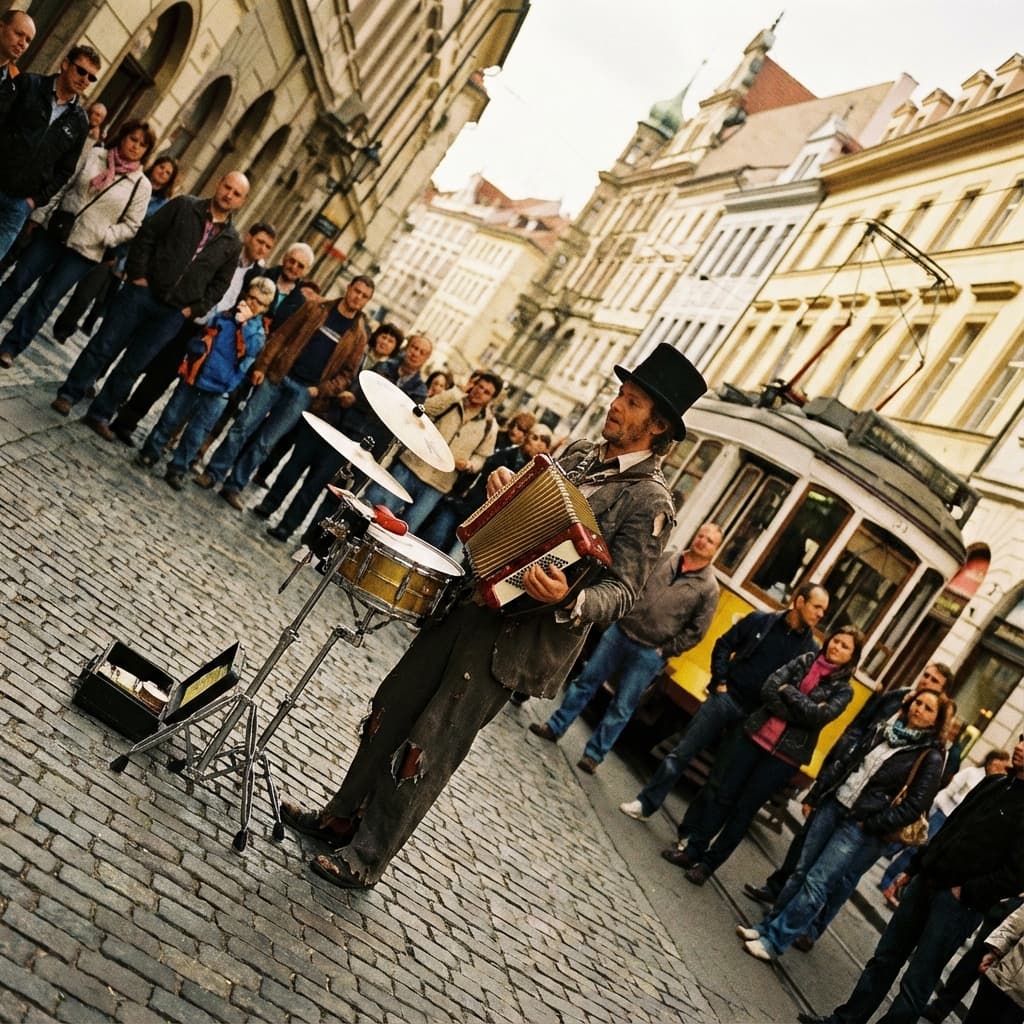
Dutch angle, tilt the camera and twist the composition itself.