Lens Effects & Texture
Focus & Depth of Field
Determines what the camera renders sharply and what it renders blurry.
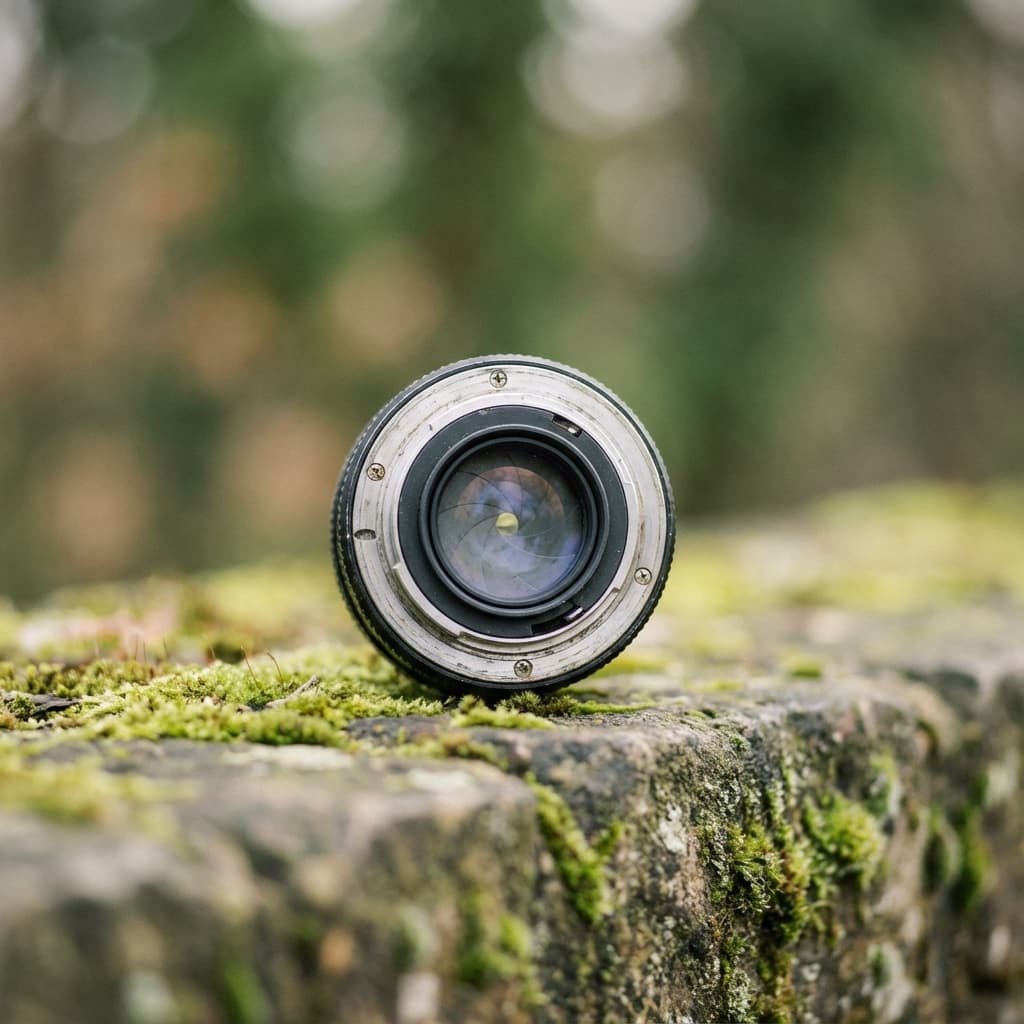
Shallow depth of field, the subject is tack sharp while the background is completely blown out with an out-of-focus effect

Deep focus/pan focus, everything from the object right in front to the distant mountains is sharp

Bokeh, the light orbs in a defocused background.

Tilt-shift, a special focusing technique that makes real landscapes look like miniature toys

Soft focus, an overall soft, dreamy look reminiscent of 1990s wedding photos

Rack focus, gives the feeling that the focus is shifting, used for cinematic direction

Motion blur, afterimages of moving subjects, essential for expressing a sense of speed
Optical Artifacts
“Realistic errors” created when light reflects or refracts inside the lens.
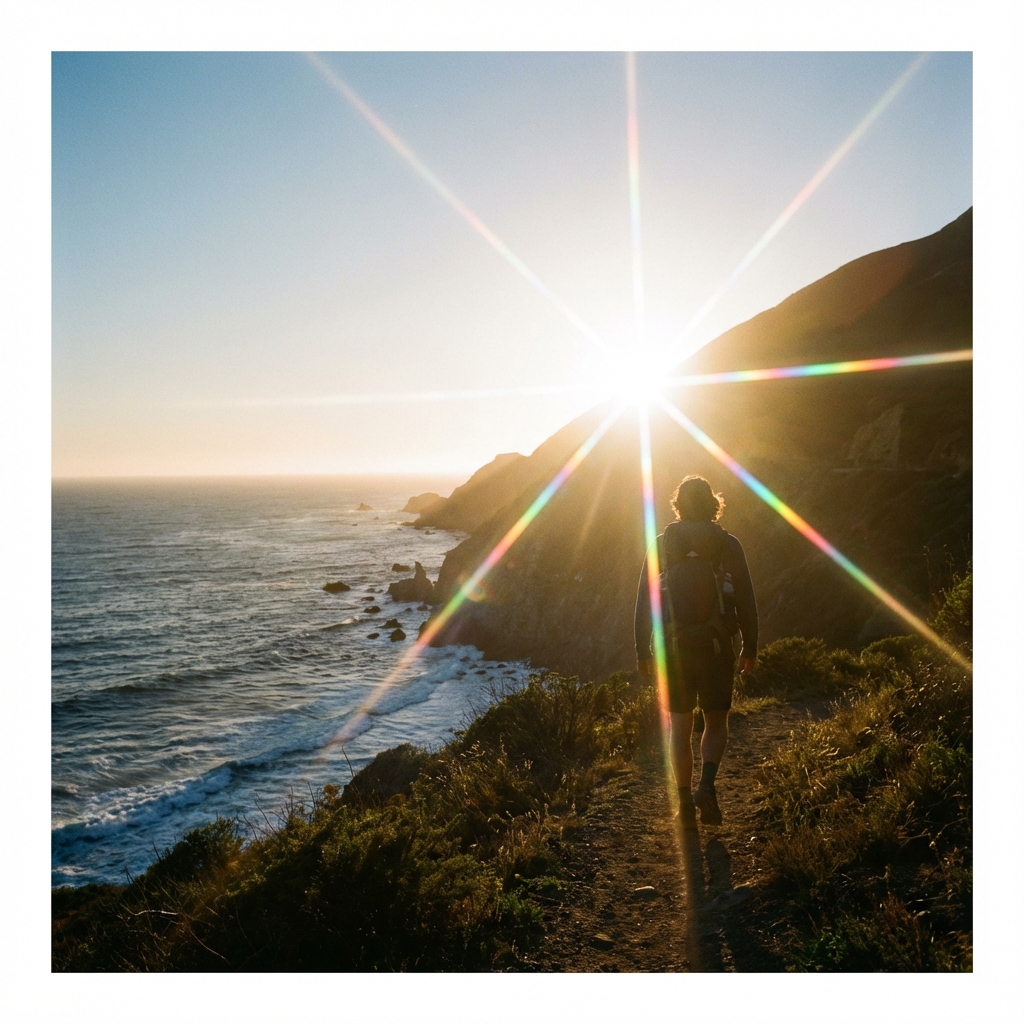
Lens flare, hexagonal light rings that appear on the lens when looking at strong light, evokes SF movies or summer sunlight
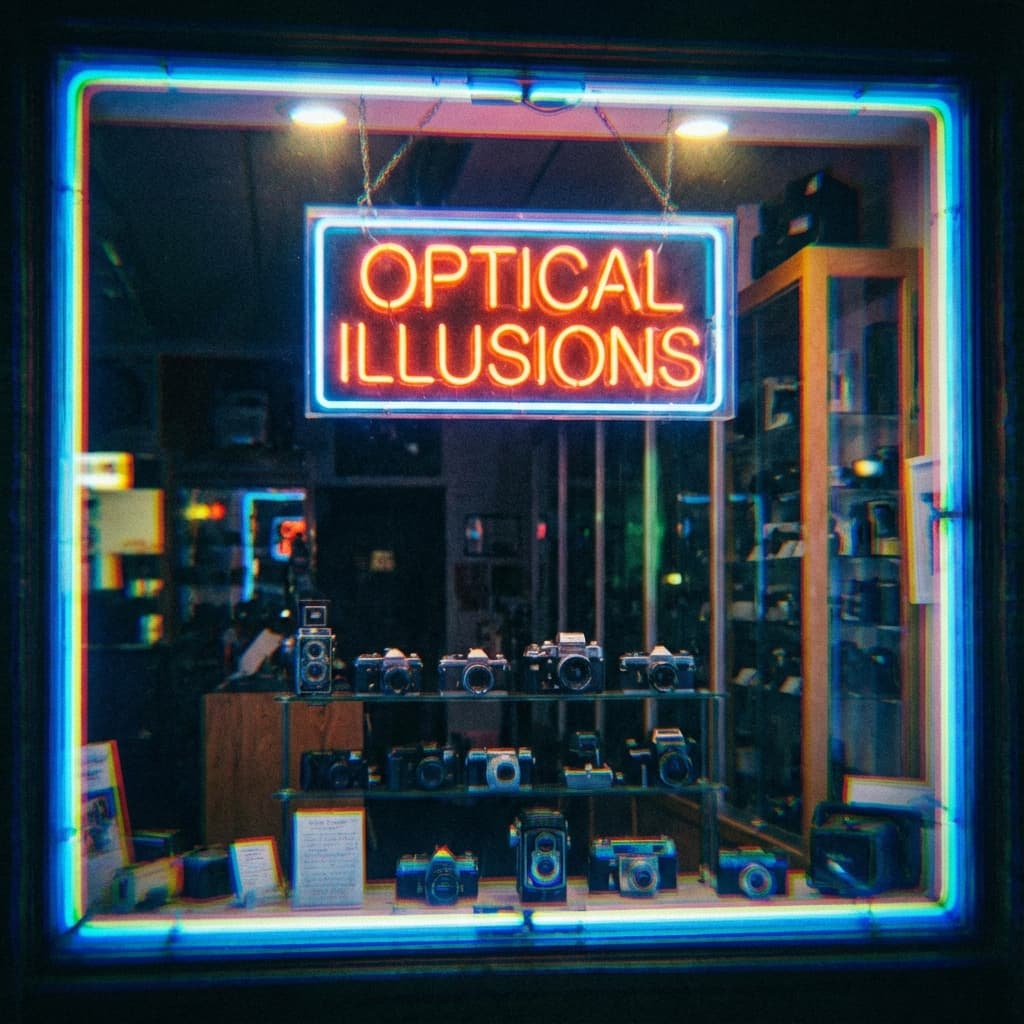
Chromatic aberration, red/blue fringing at the edges of the lens, gives a CCTV or retro feel
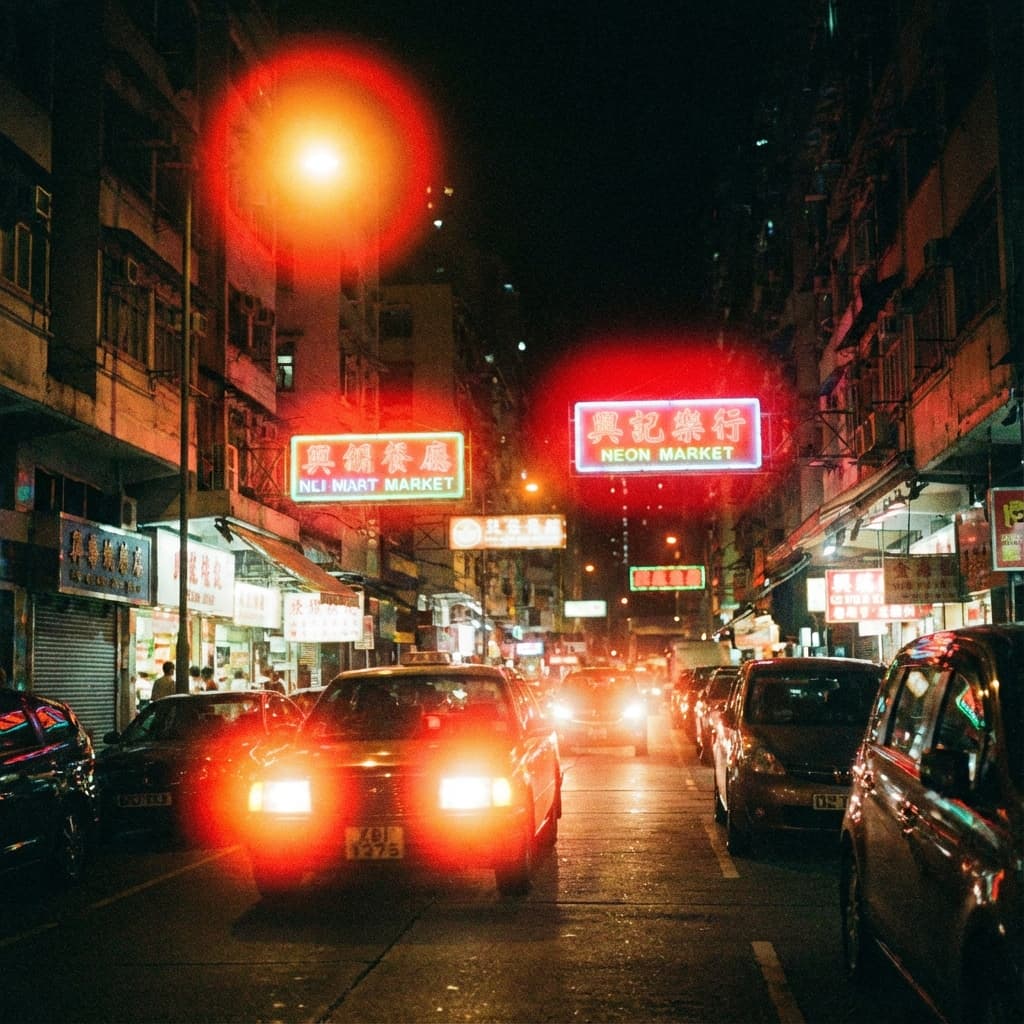
Halation, a film-specific phenomenon where soft red/orange light bleed appears around strong light sources
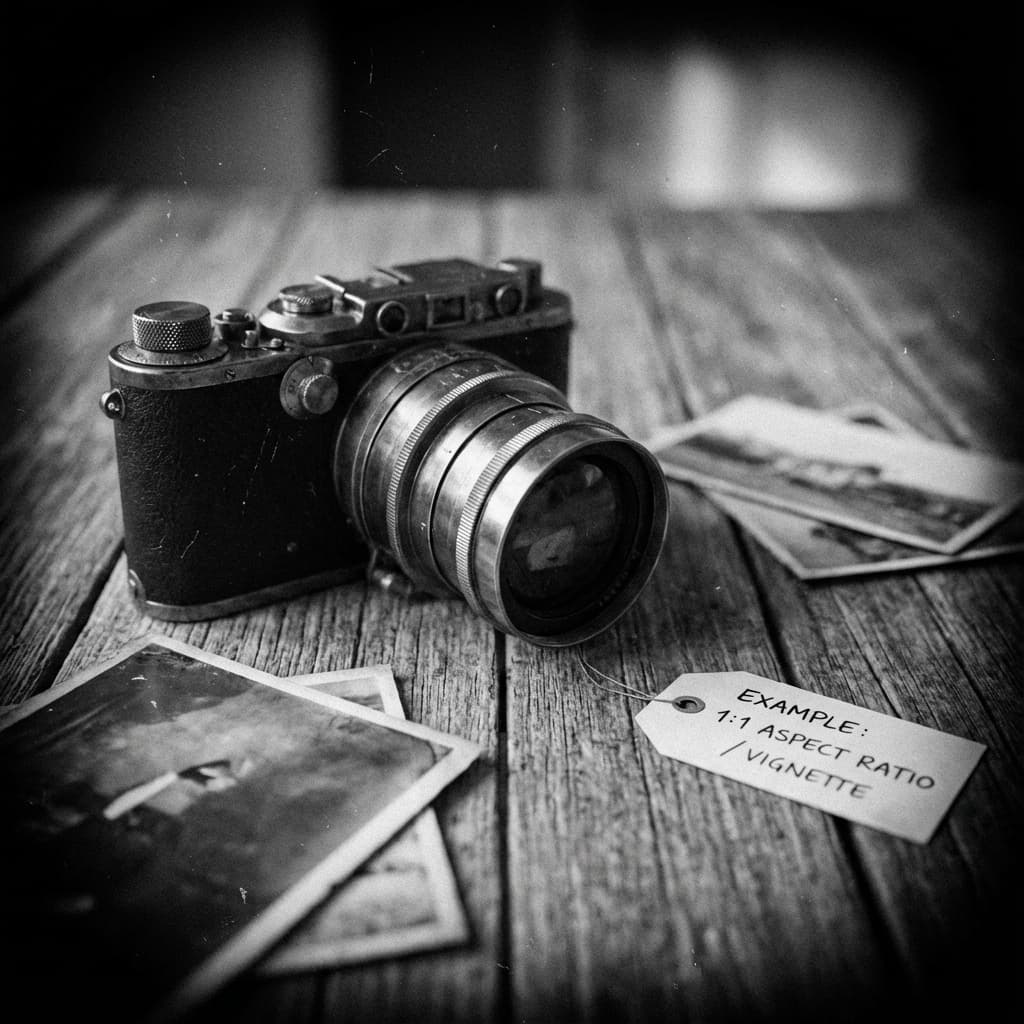
Vignetting, the four corners of the photo darken like shade, drawing the viewer’s gaze to the center

Light leaks, reddish/yellowish blotches as if light leaked in through an opened film camera back, vintage vibes
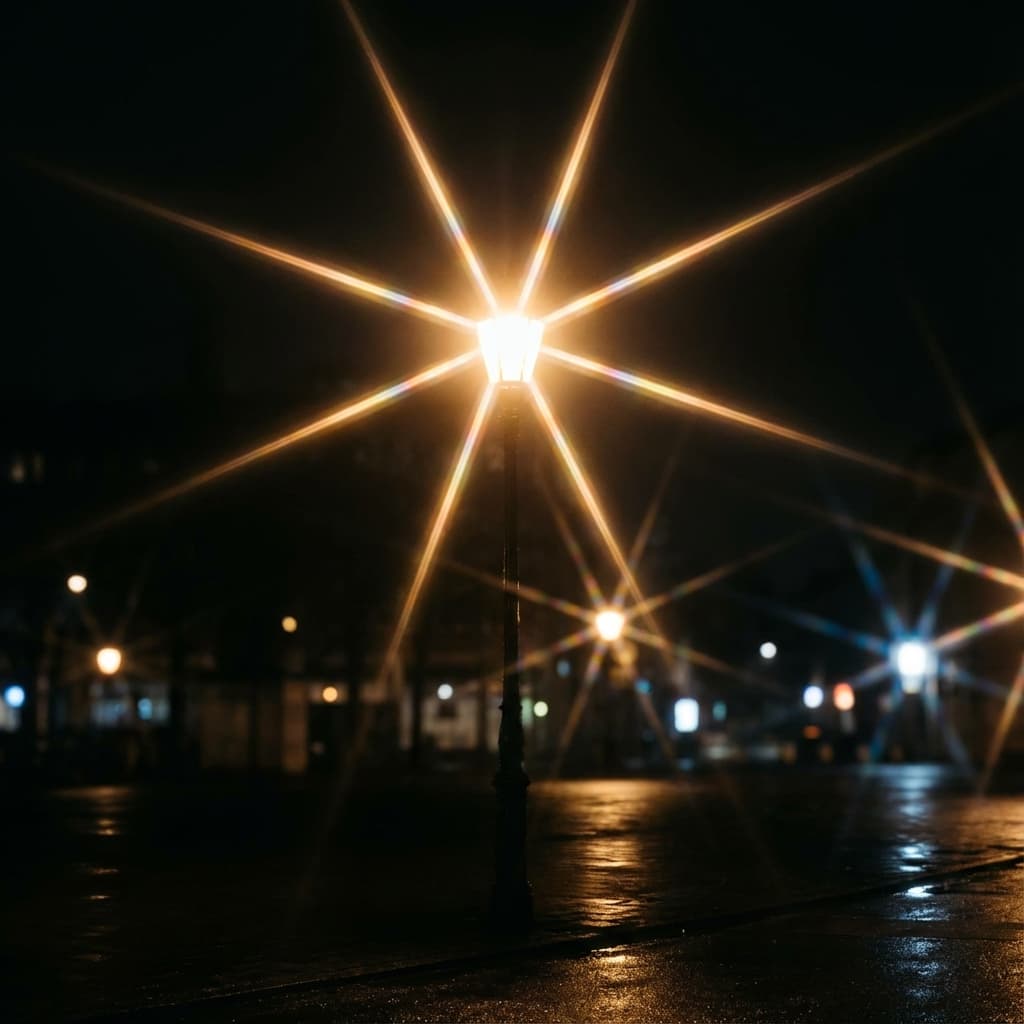
Light diffraction, streetlights or sunlight splitting into sharp spikes like a sea urchin’s spines

Bloom effect, bright areas softly bleed and glow, making the image look radiant
Grain & Noise
Removes digital smoothness and adds the rough graininess of analog.
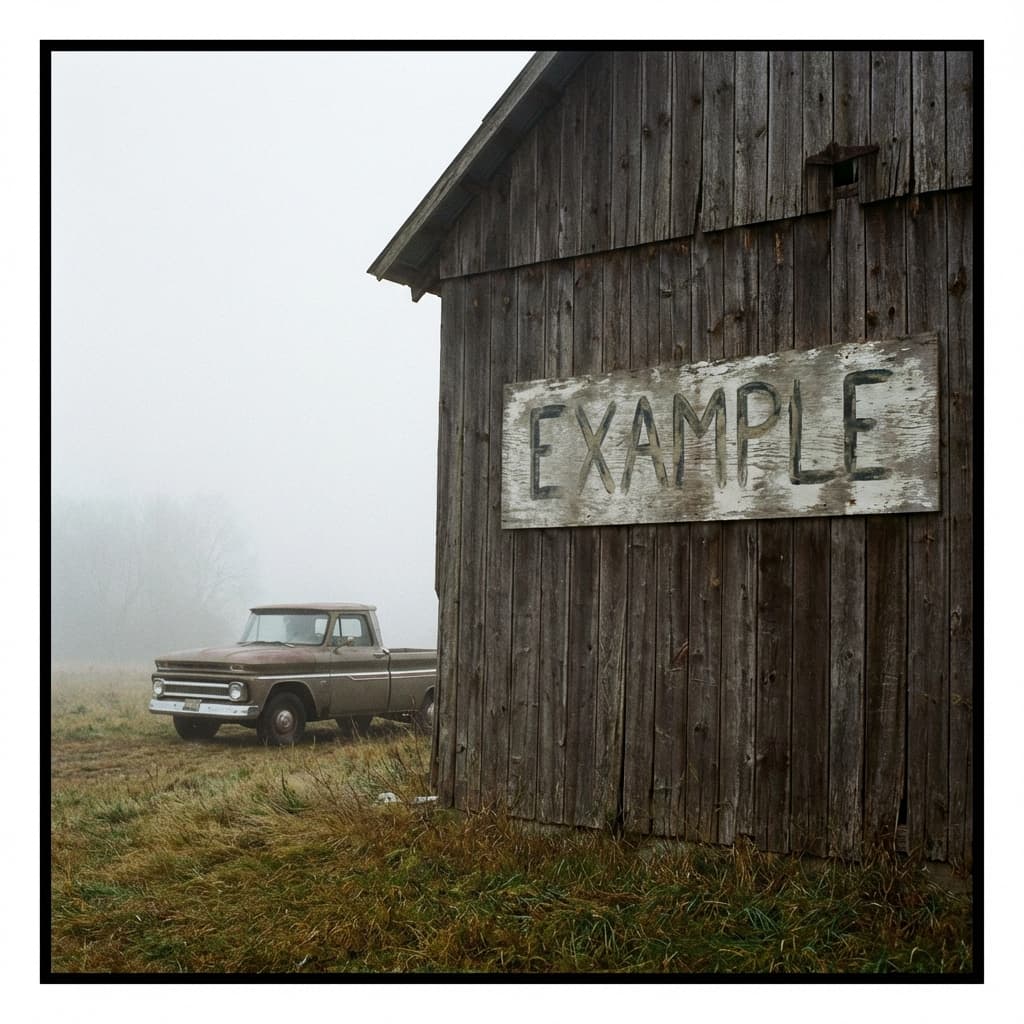
Film grain, the characteristic gritty grain of analog film
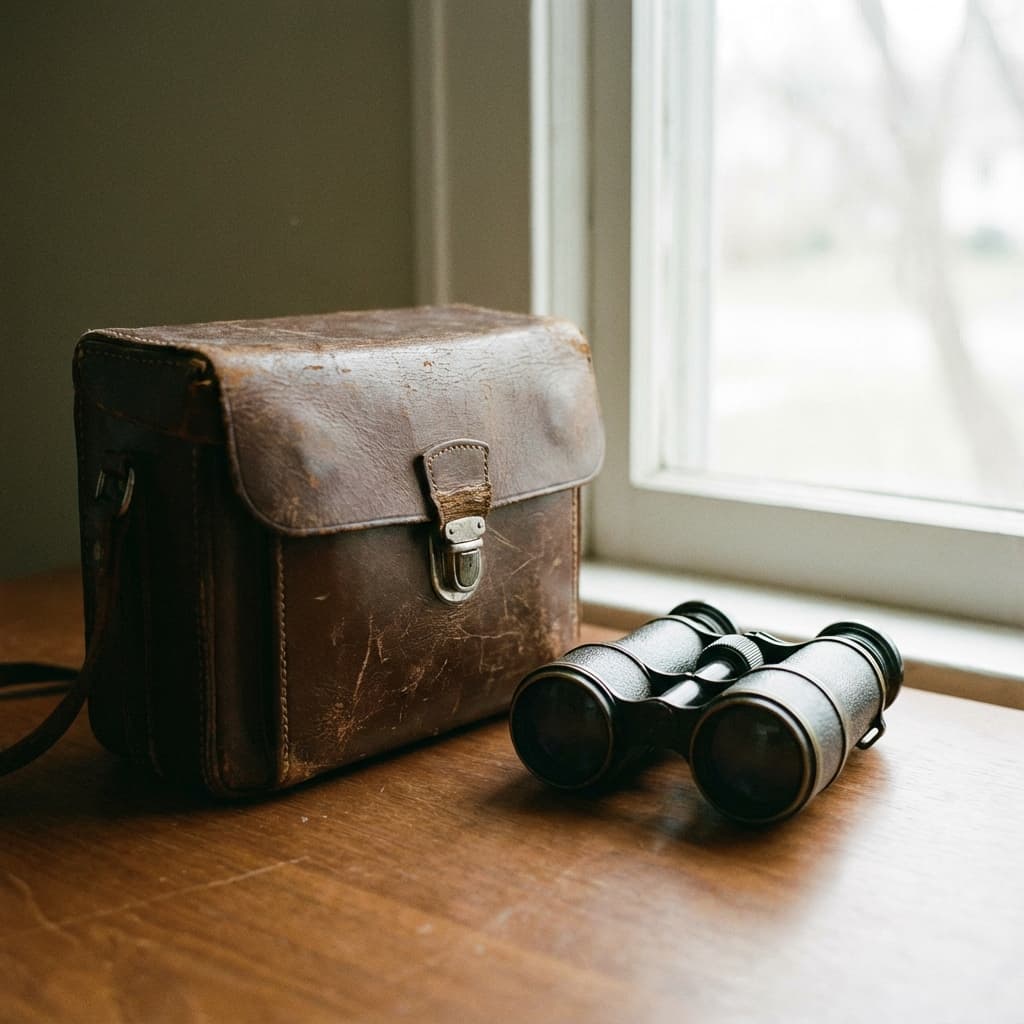
ISO noise, coarse digital noise that appears when forcing a bright exposure in dark environments
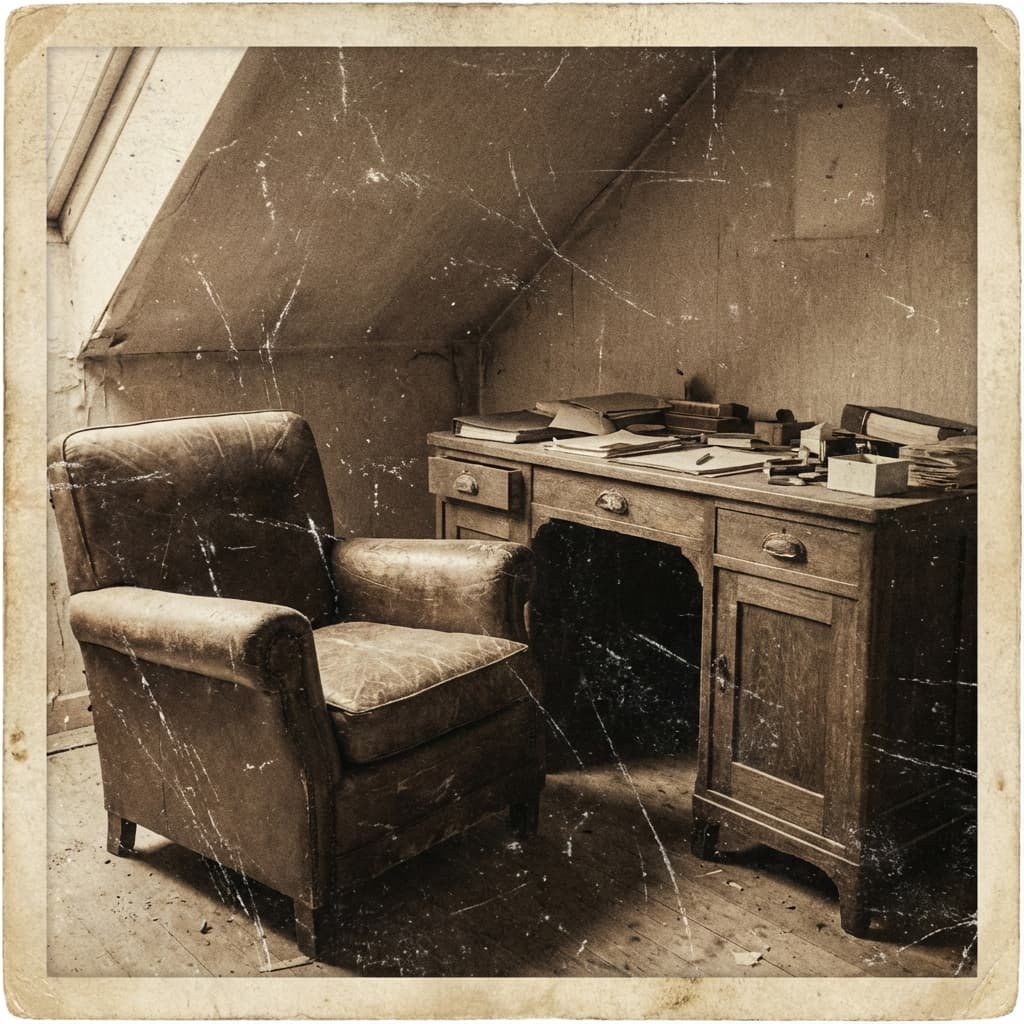
Dust and scratches, dust and scratch marks on the surface of old printed photographs
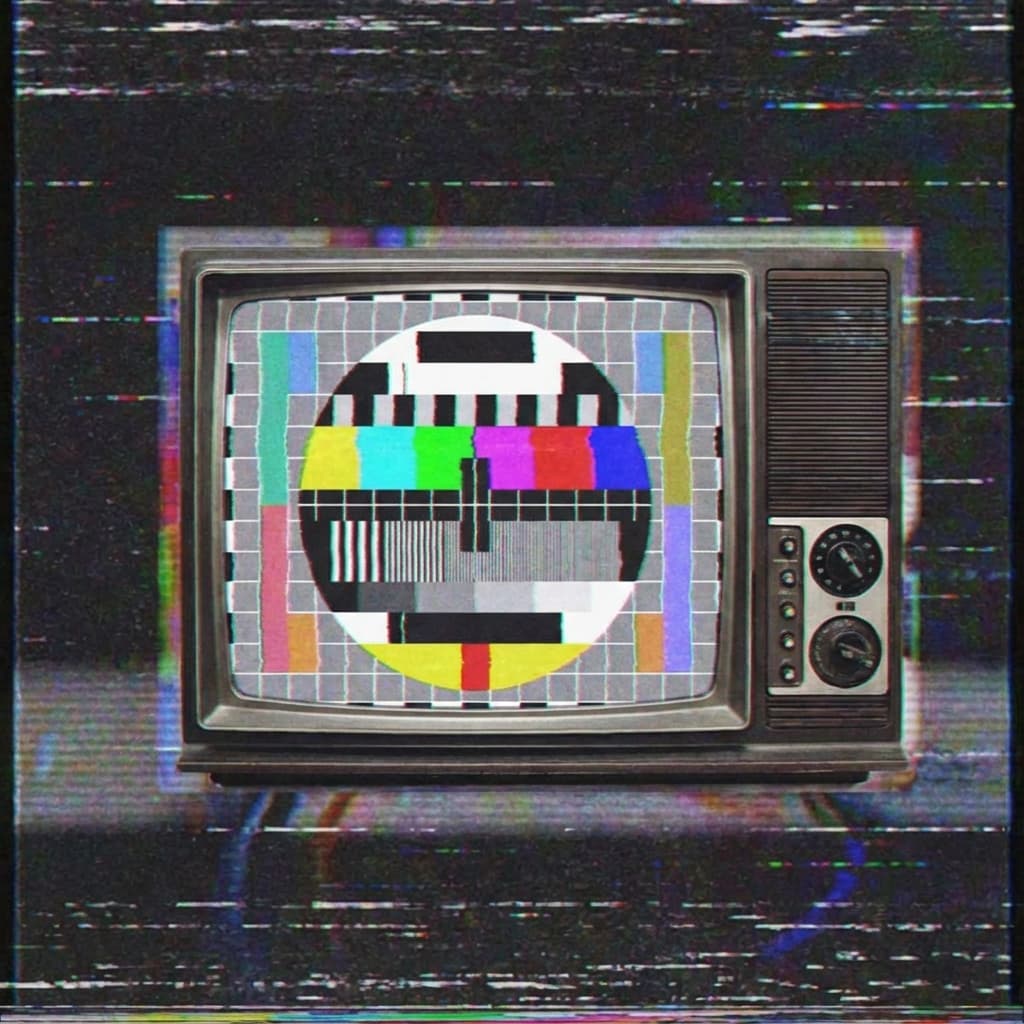
VHS glitch, horizontal lines or screen wobble like an old videotape

Halftone pattern, a texture where the image is composed of dots, like newspaper or comic book printing

Wet plate photo details, edges look messy and irregular with traces of chemical solutions
Distortion & Filters
Transforms the image through lens curvature or filters.
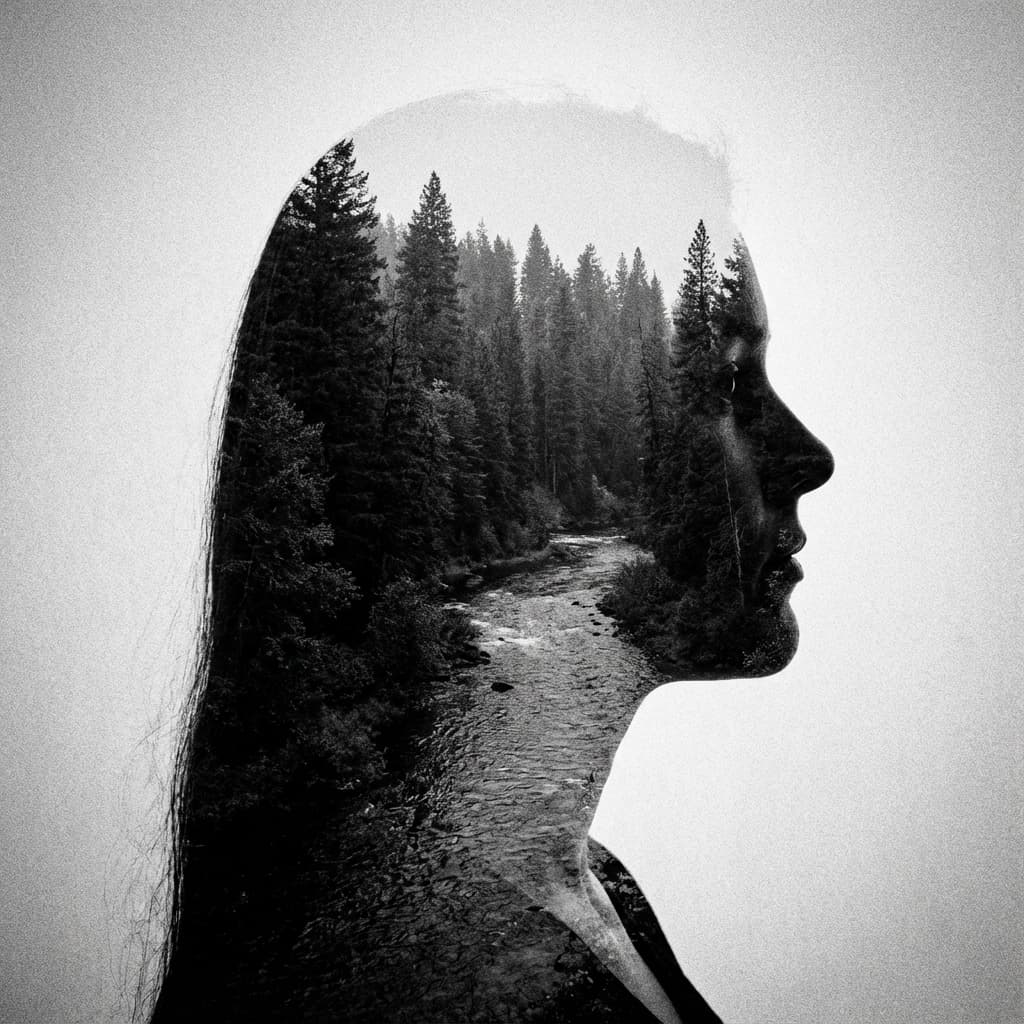
Double exposure, a dreamy compositing technique where two images overlap
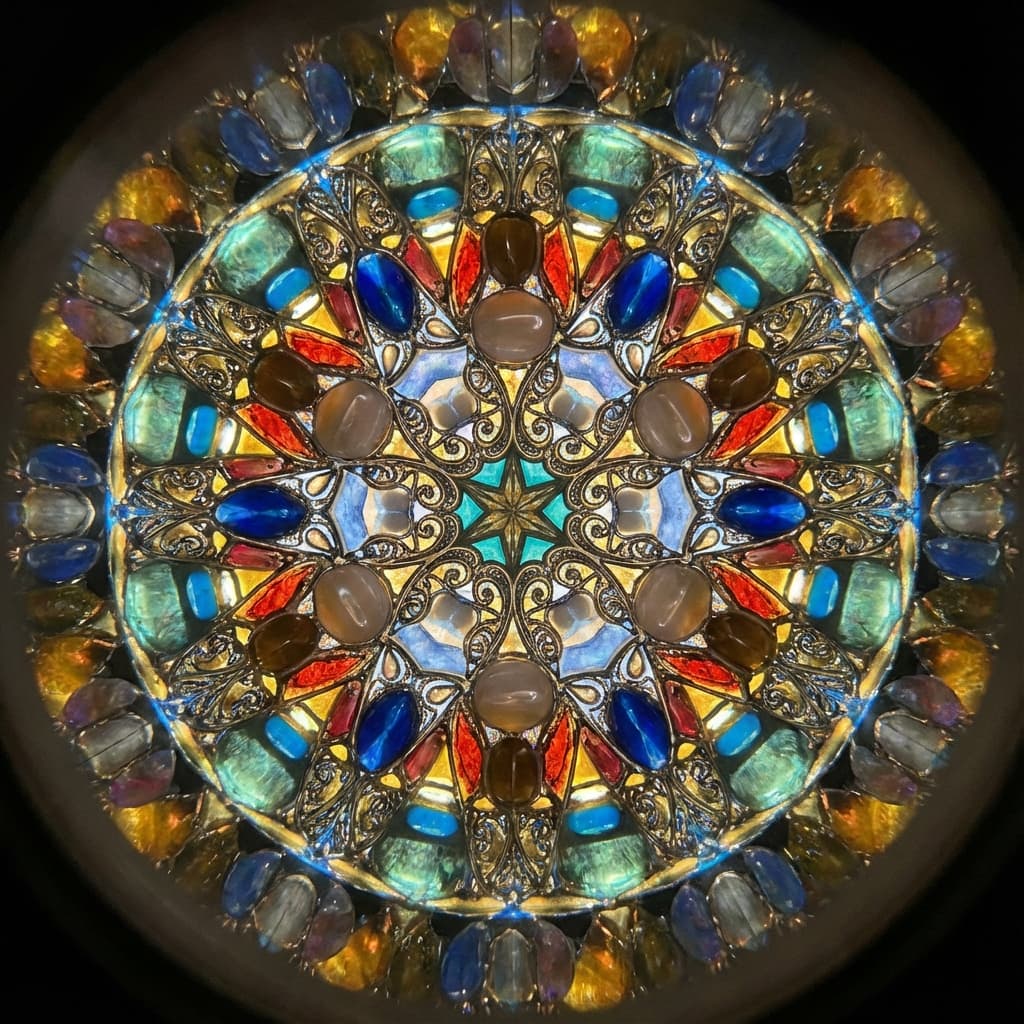
Kaleidoscope, geometric patterns where the image is symmetrically repeated as if reflected in mirrors
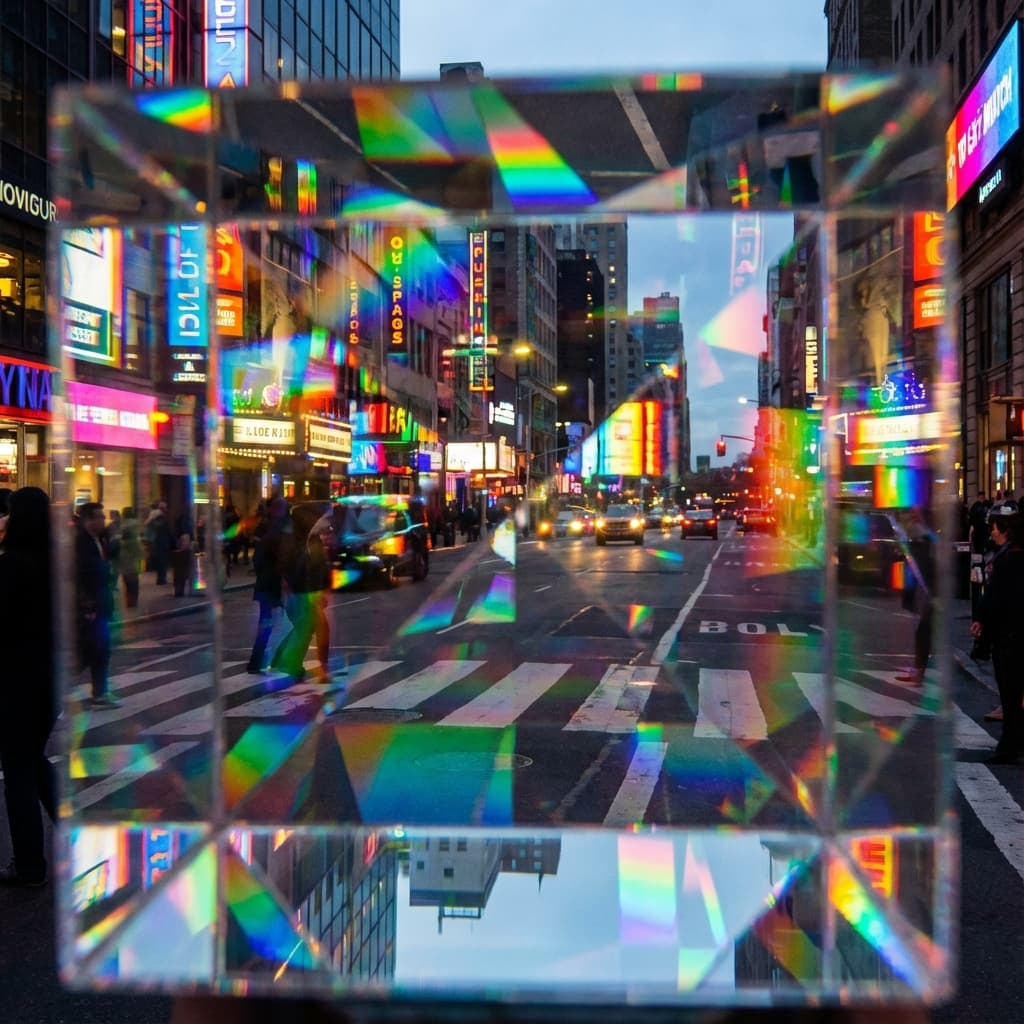
Prism effect, light refracts into rainbow colors and the image splits as if seen through glass fragments
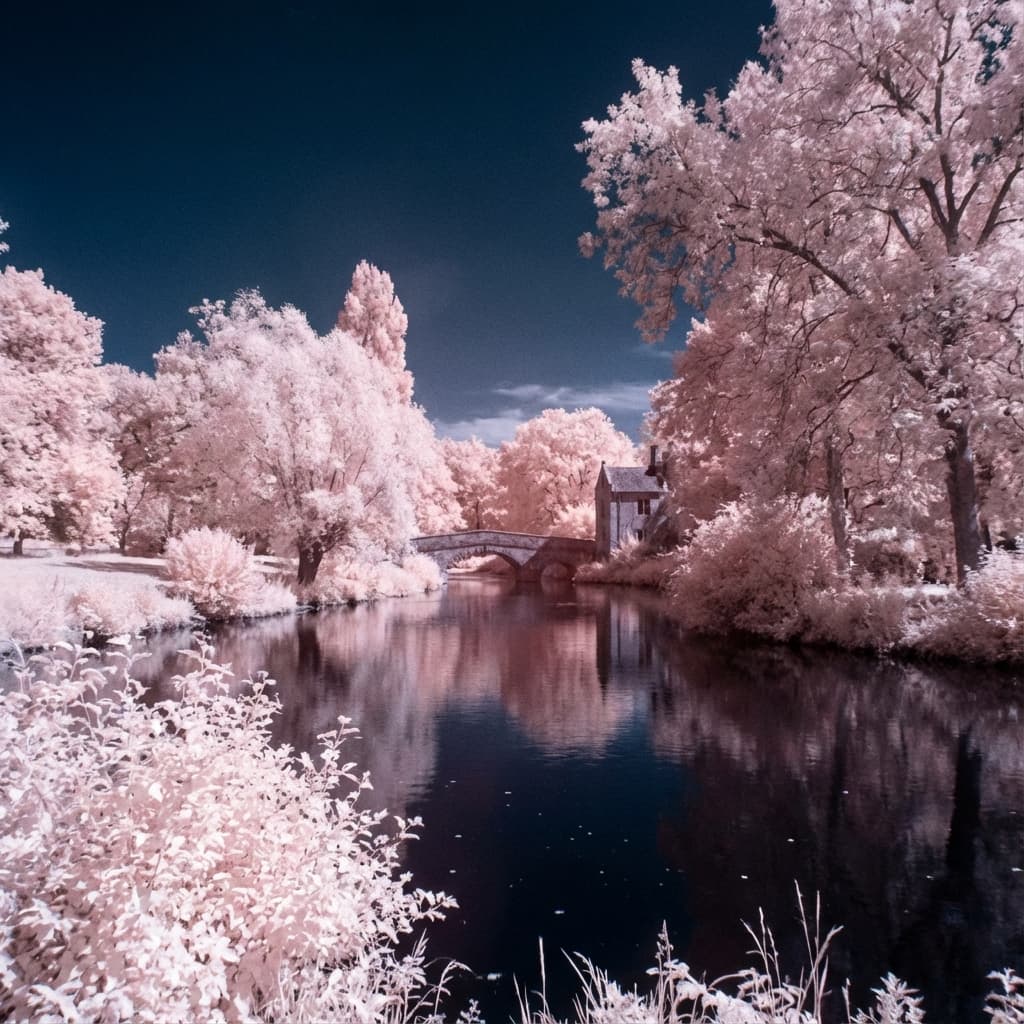
Infrared filter, surreal color tones where leaves appear white or pink

Polarizing filter, removes reflections from water or glass to make them appear transparent