Camera Angles and Perspectives
Vertical Angles and Power Dynamics
Determine the subject’s status and mood through camera height.

Eye-level angle, the most ordinary and objective viewpoint, feels stable like a news interview or ID photo
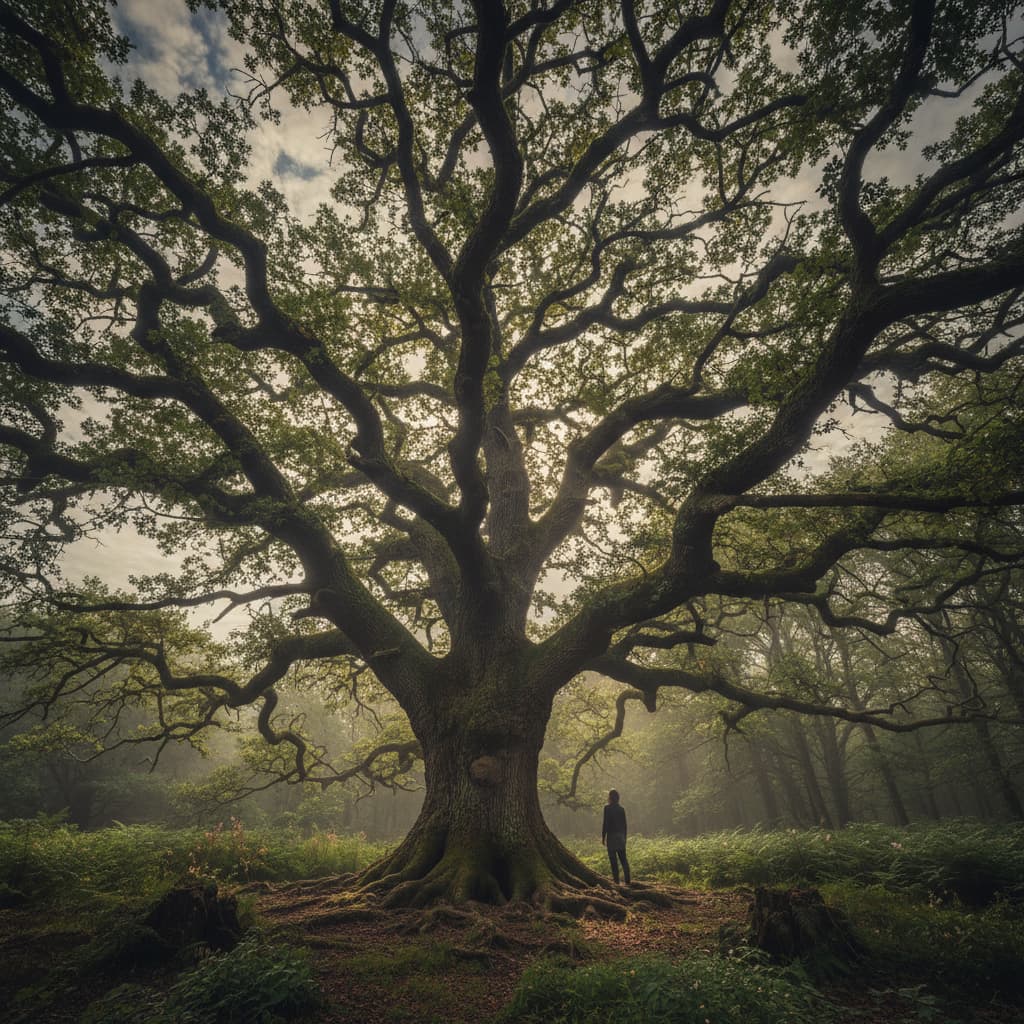
Low angle, looking up from below, makes the subject appear large, grand, and imposing

High angle, looking down from above, makes the subject look small, lonely, or powerless

Overhead shot, looking straight down at 90 degrees from right above the head, used for cooking videos or shooting a person lying on a bed

God’s-eye view / bird’s-eye view, a map-like view looking vertically down over a wide area from a very high place
Horizontal Angles and Subject Rotation
Decide from which direction to show the subject’s face and body.

Front view, staring straight at the camera, gives an honest and intense impression

Three-quarter view, between front and side, the most three-dimensional and flattering “best angle” in portrait photography

Side view, profile, used to emphasize the lines of the features or the silhouette

Back view, does not show the face, giving a sense of mystery or making the viewer focus on the scenery the subject is looking at
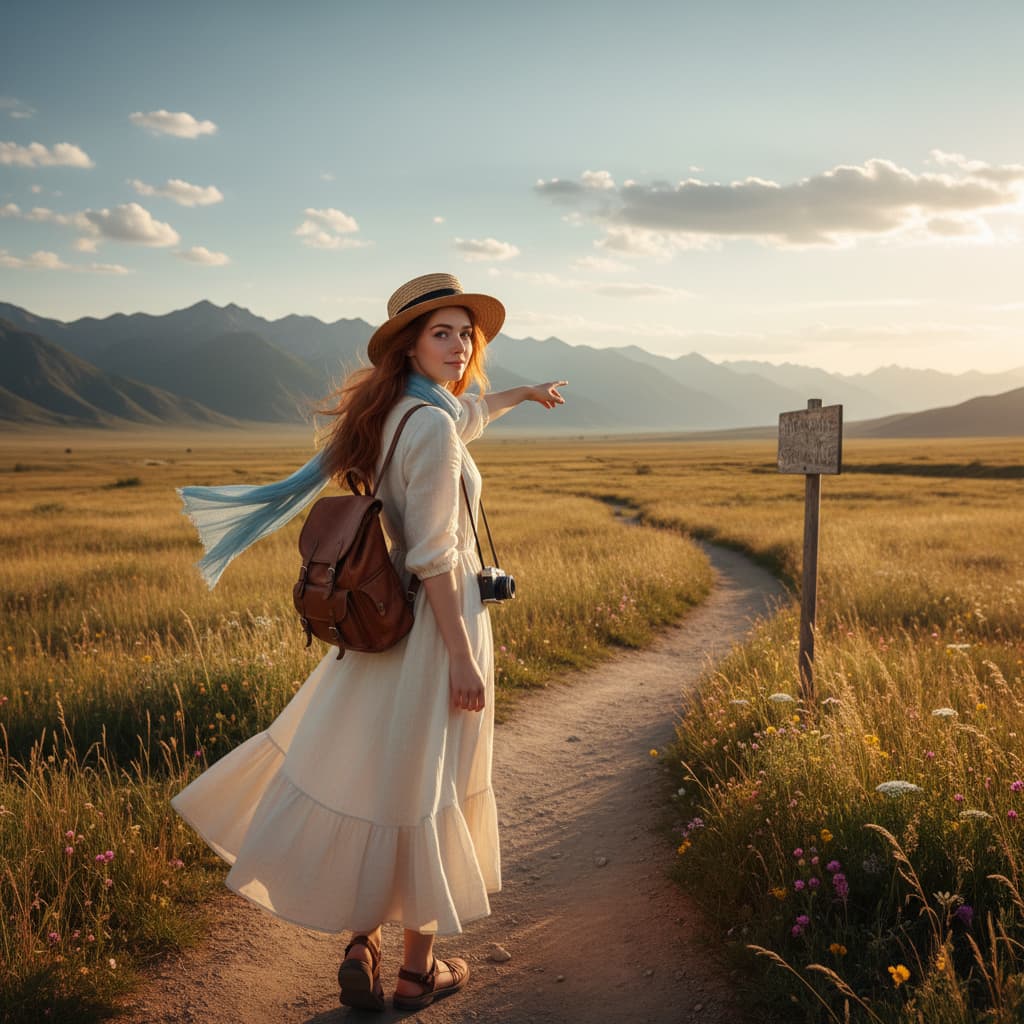
Looking back, an attractive pose where the subject turns only the head to look at the camera while the body is facing away
Special POV and Narrative Effects
Gives the feeling of being inside the story, not just an observer.
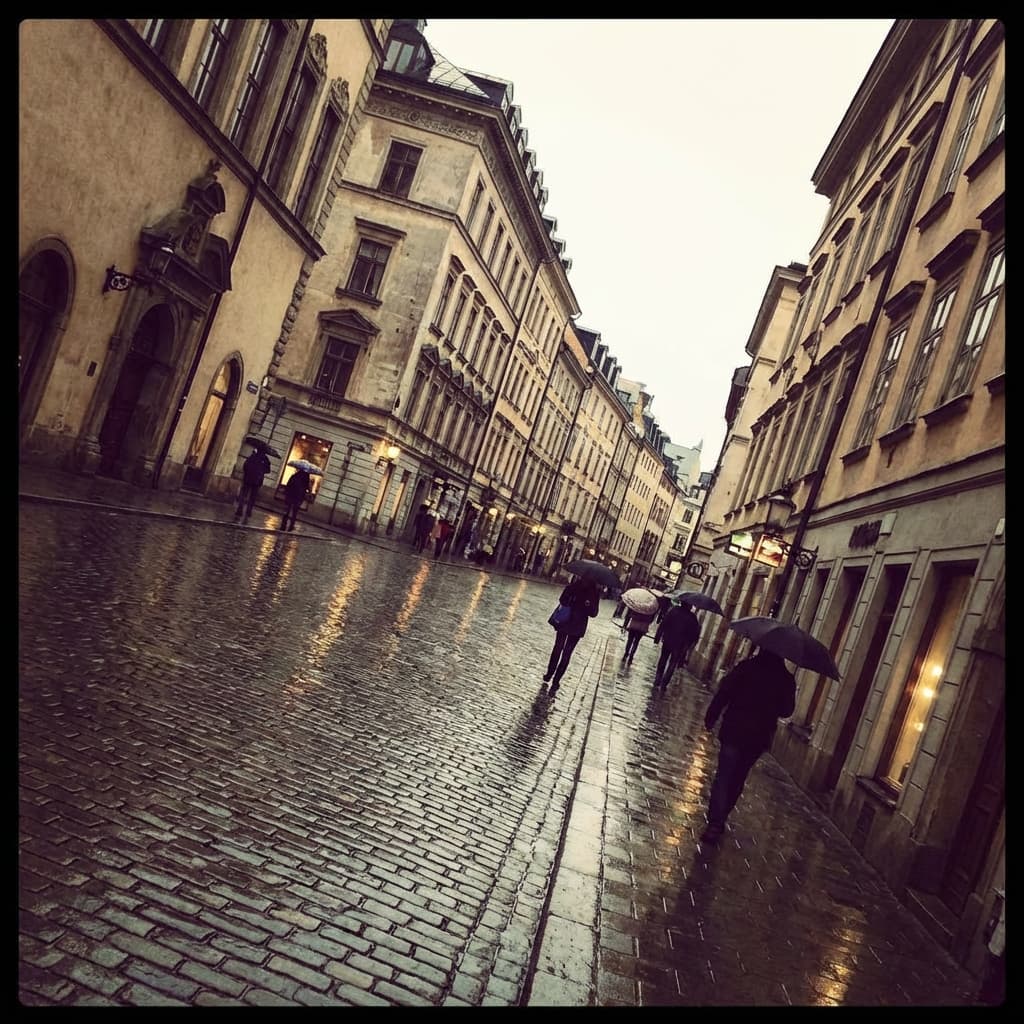
Dutch angle, tilting the camera diagonally, expresses psychological anxiety, confusion, dynamic action, and tension

First-person POV, with my hands or feet visible, creating immersion as if I am physically present on the scene
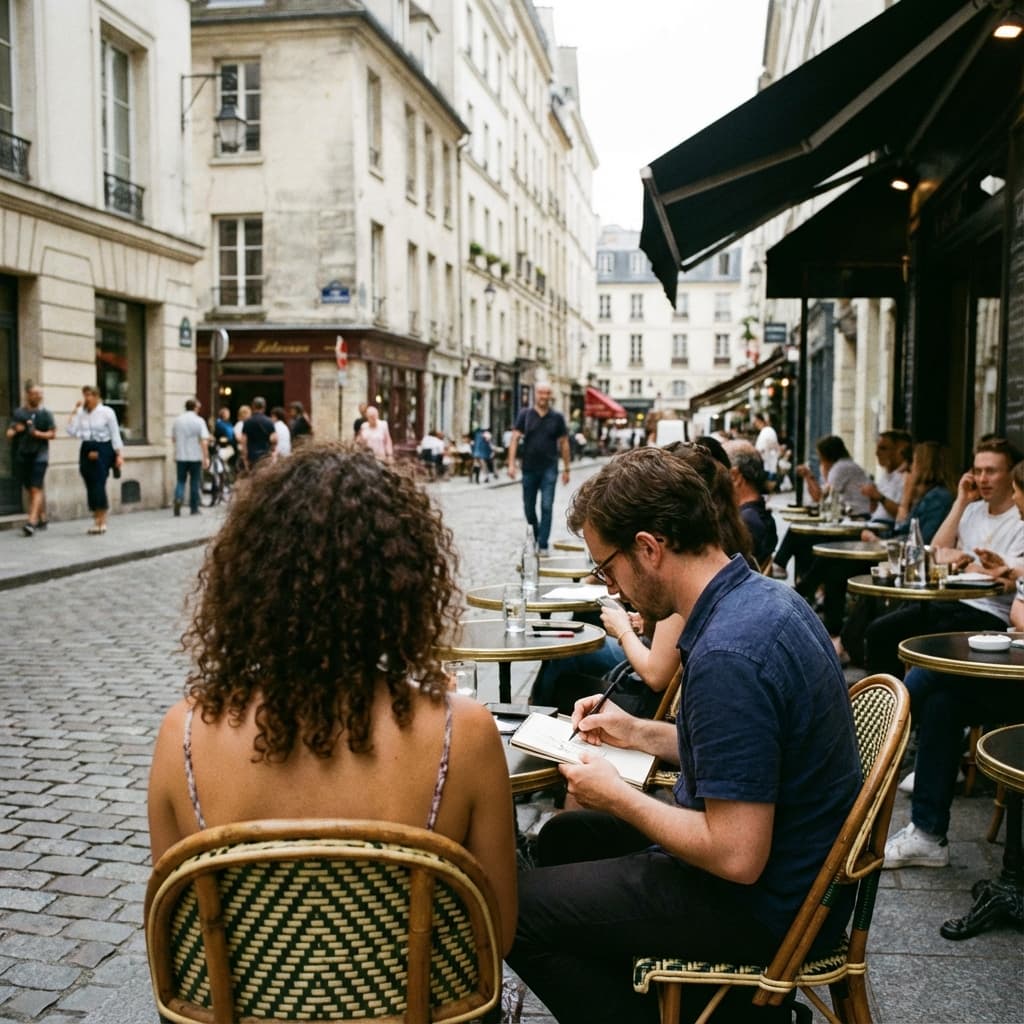
Over-the-shoulder, seeing the other person over the shoulder of the person in front, used for dialogue scenes or to give a feeling of tailing someone
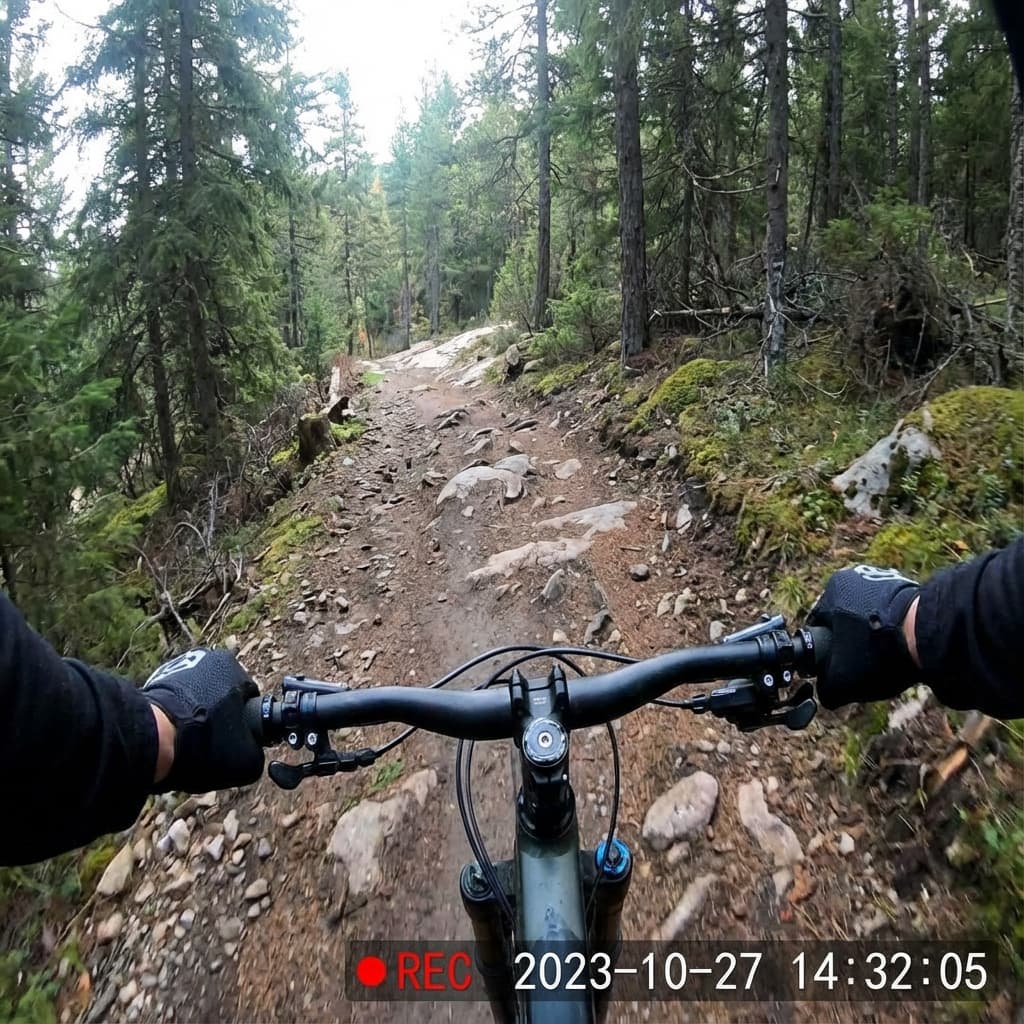
GoPro/body cam, wide-angle lens with a shaky, on-the-spot feeling, like action sports or an FPS game

Drone shot, dynamic aerial footage as if freely floating in the air while shooting
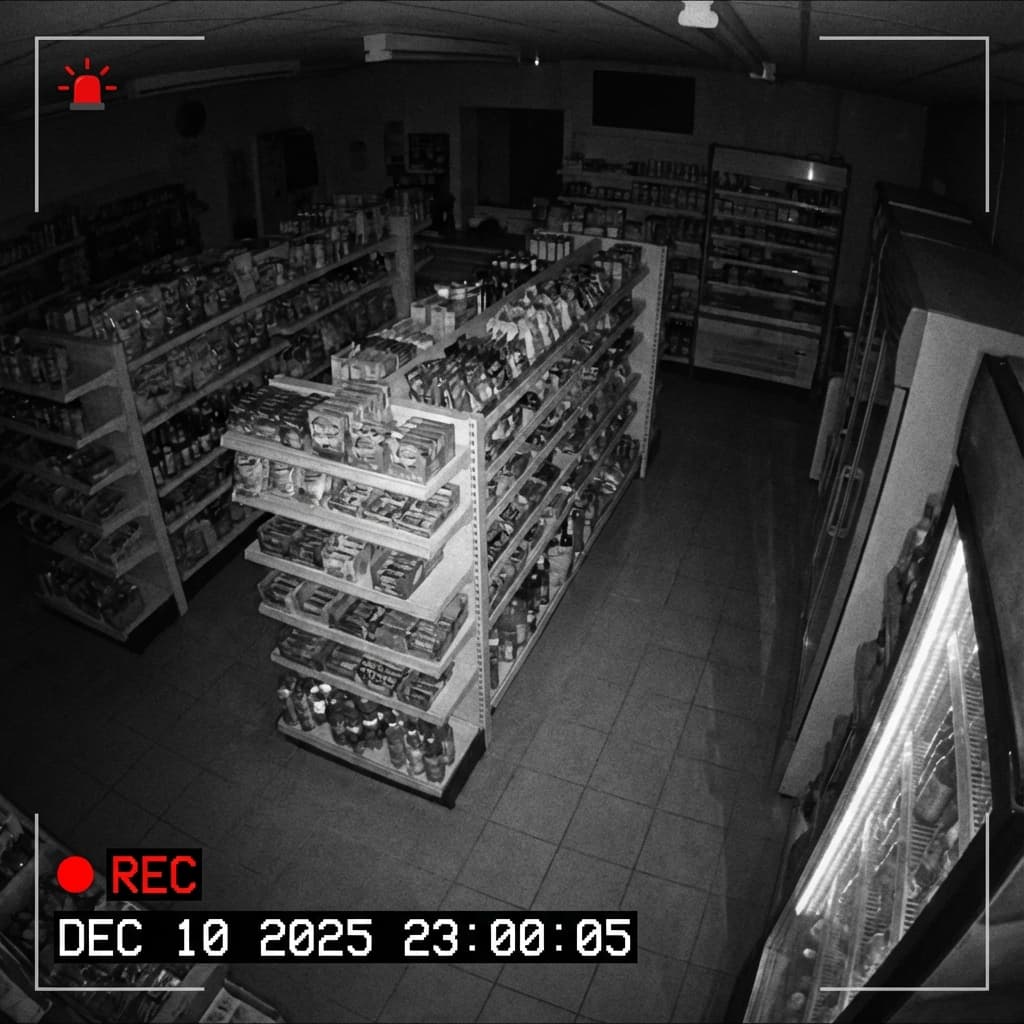
CCTV view, a rough, surveilling, and cold feeling looking down from above
Perspective and Lens Distortion
Use the characteristics of the camera lens to distort spatial perception.
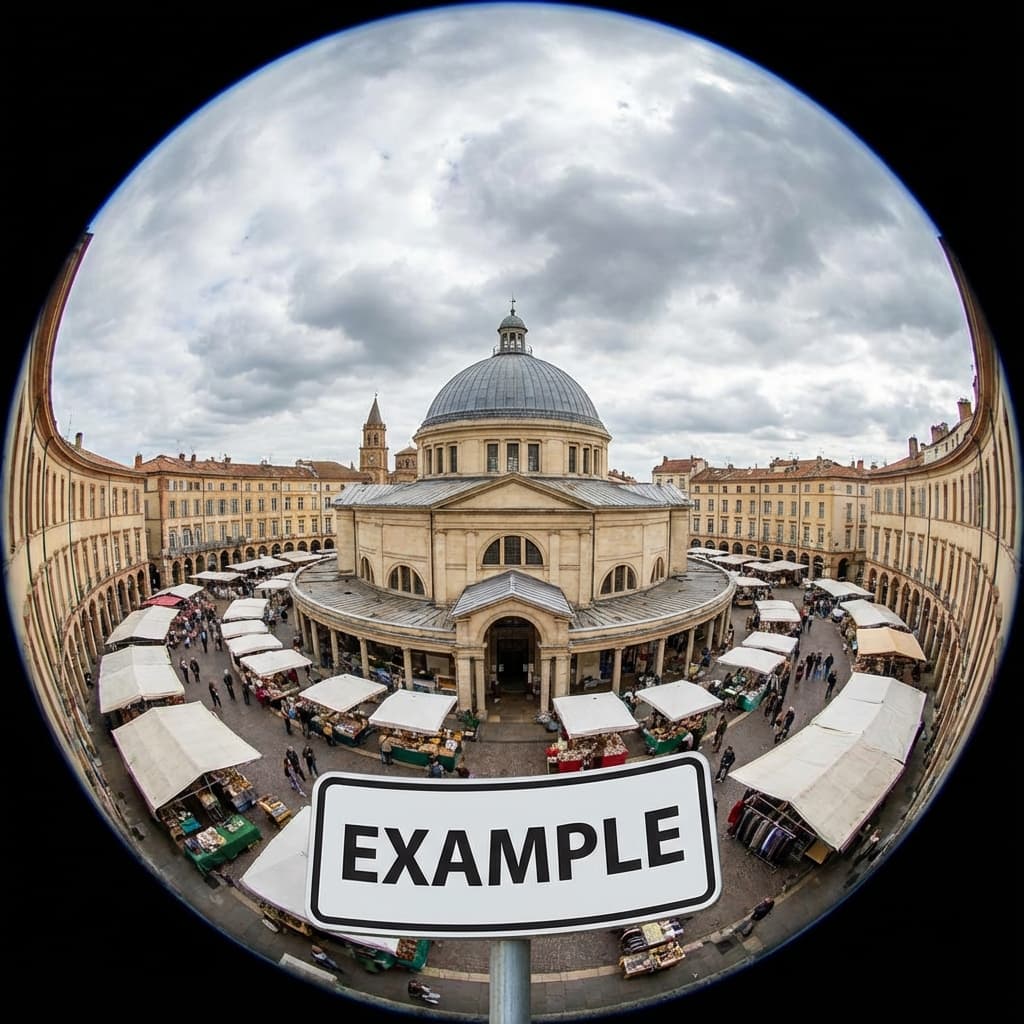
Fish-eye lens, the center bulges outward and the background curves roundly, used in 90s hip-hop music videos or to depict narrow spaces

Wide-angle perspective, makes close objects look larger and distant objects smaller, making the space look wide and open
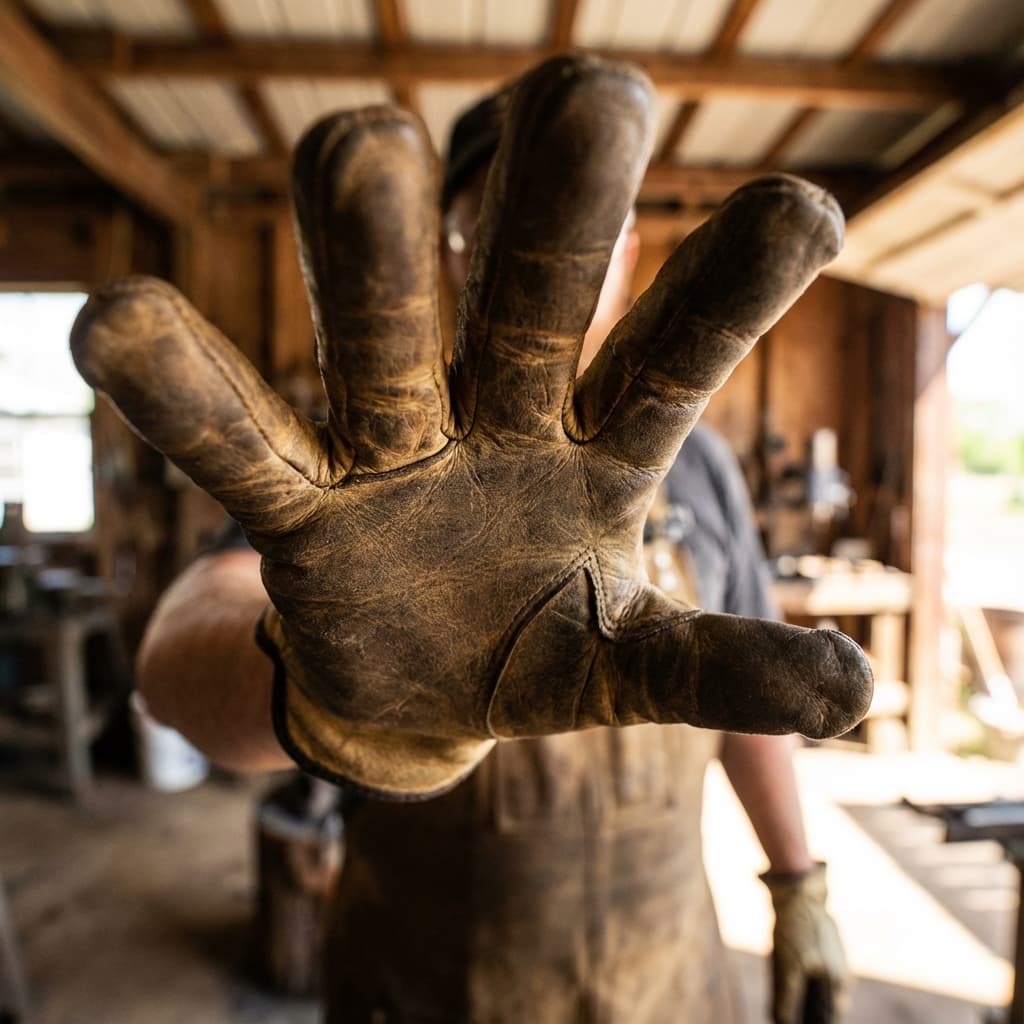
Foreshortening, a dynamic, cartoon-like perspective where hands or feet stretched toward the camera look exaggeratedly large