Traditional Painting & Art Techniques
Painting Materials and Mediums
Depending on which paint is used, the way colors mix and the glossiness will differ.
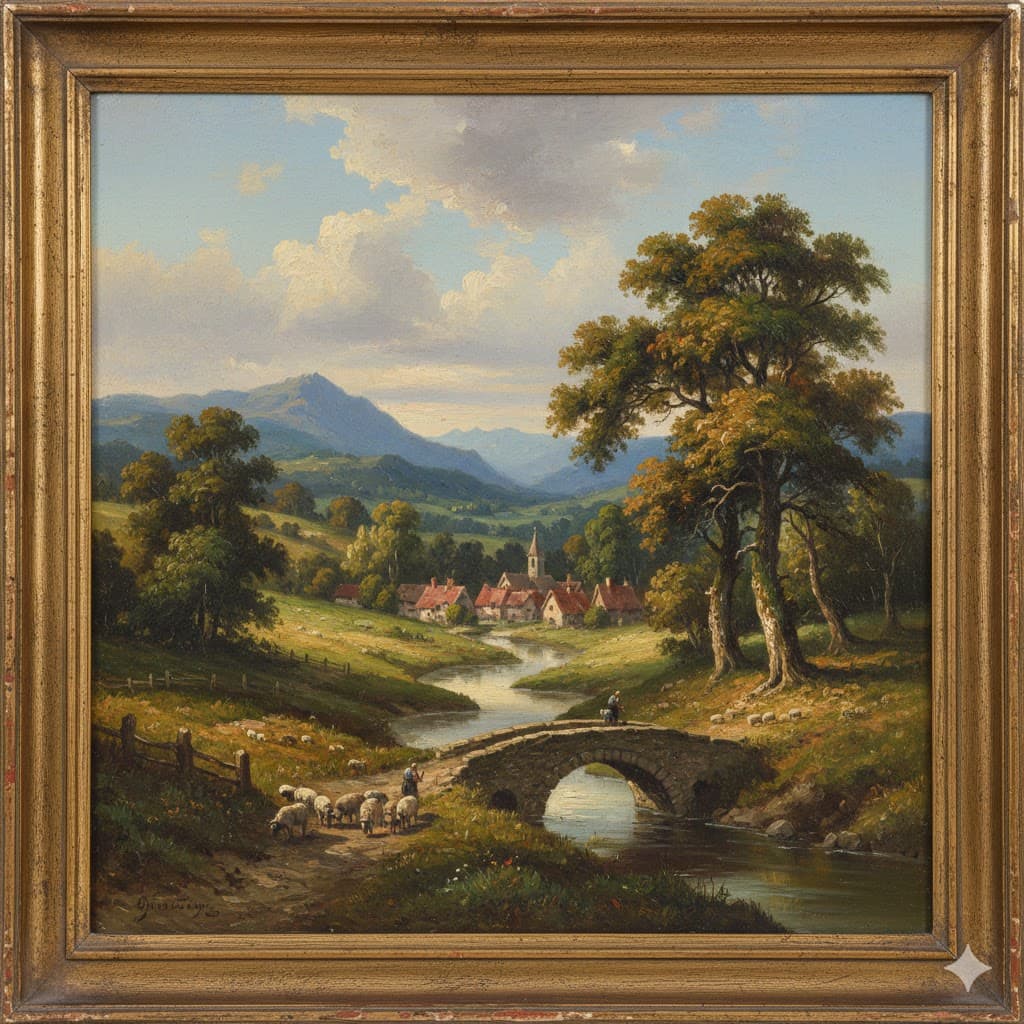
Oil on canvas, the most classical, with heavy, deep color tones
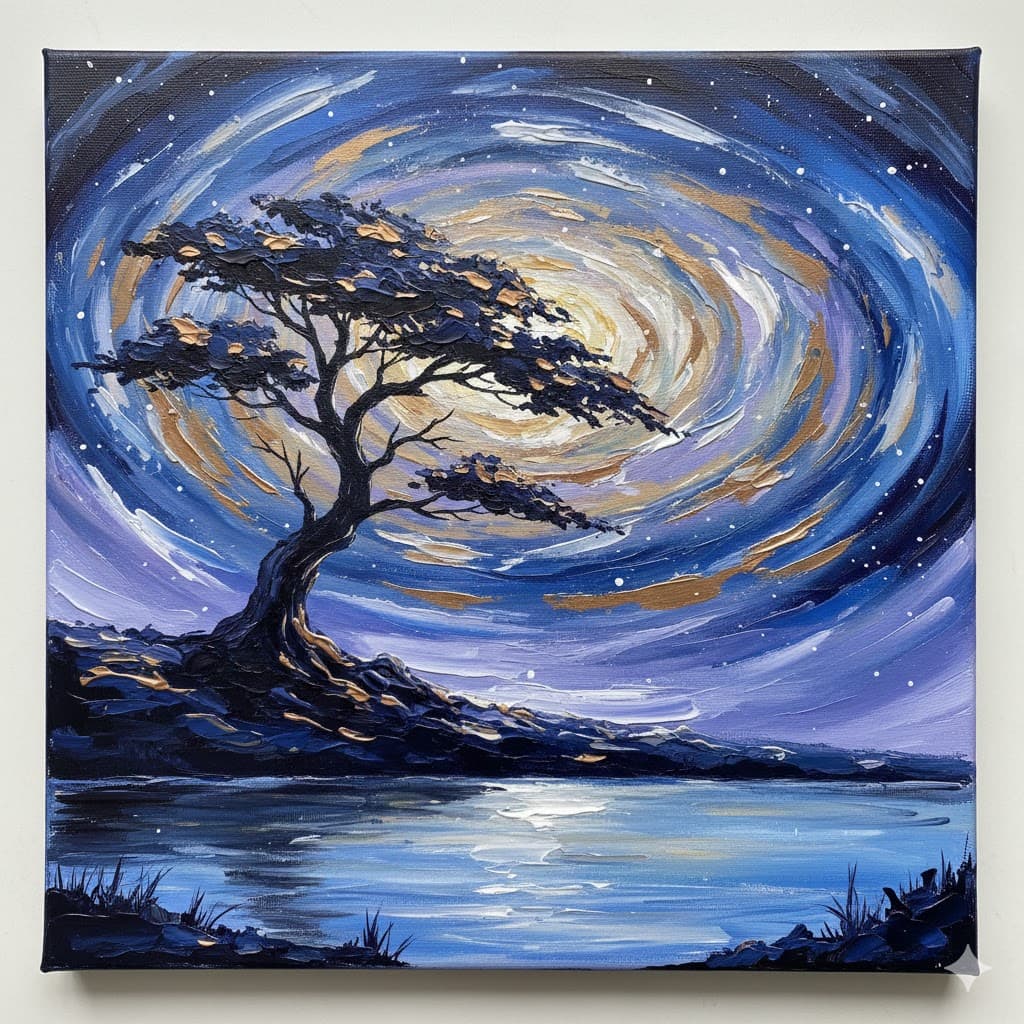
Acrylic, dries faster than oil, vivid and modern feeling, suitable for pop art
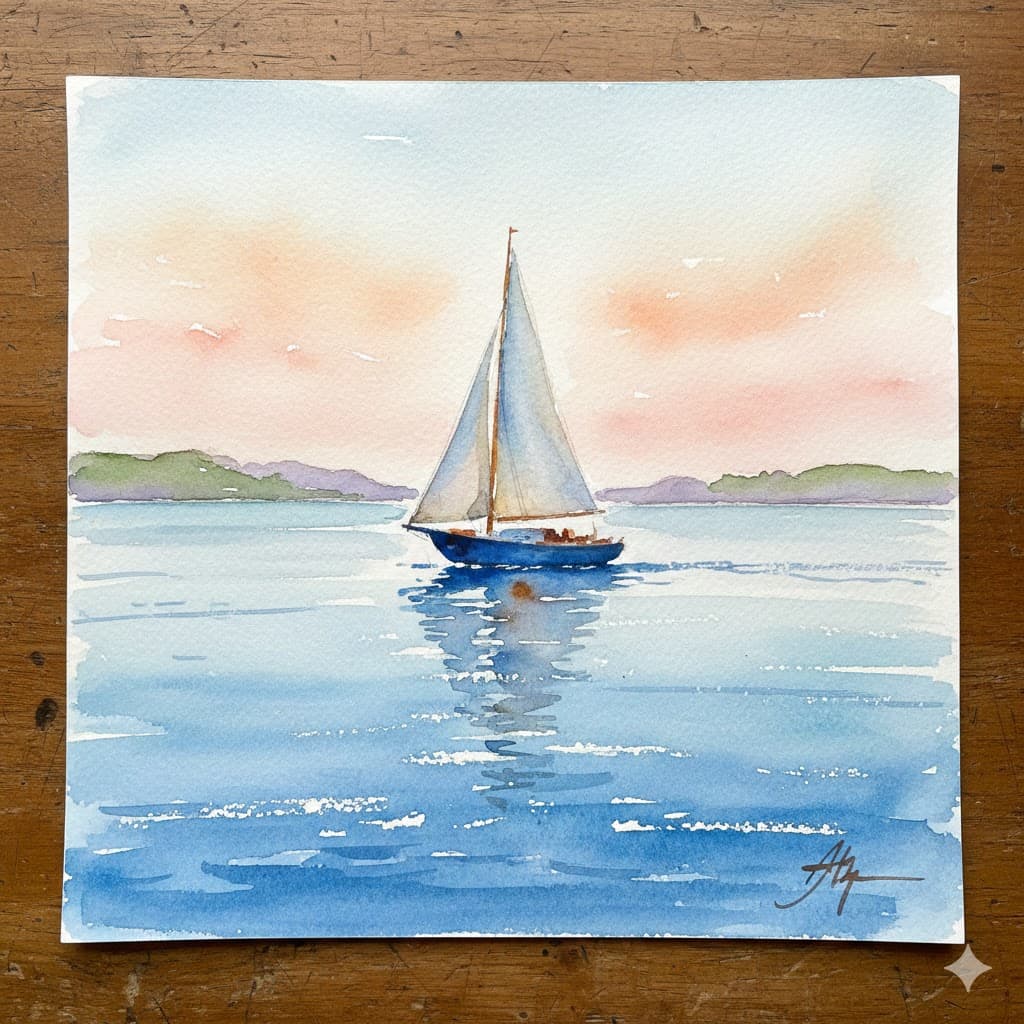
Watercolor bleeding technique, a dreamy feeling as water soaks richly into the paper
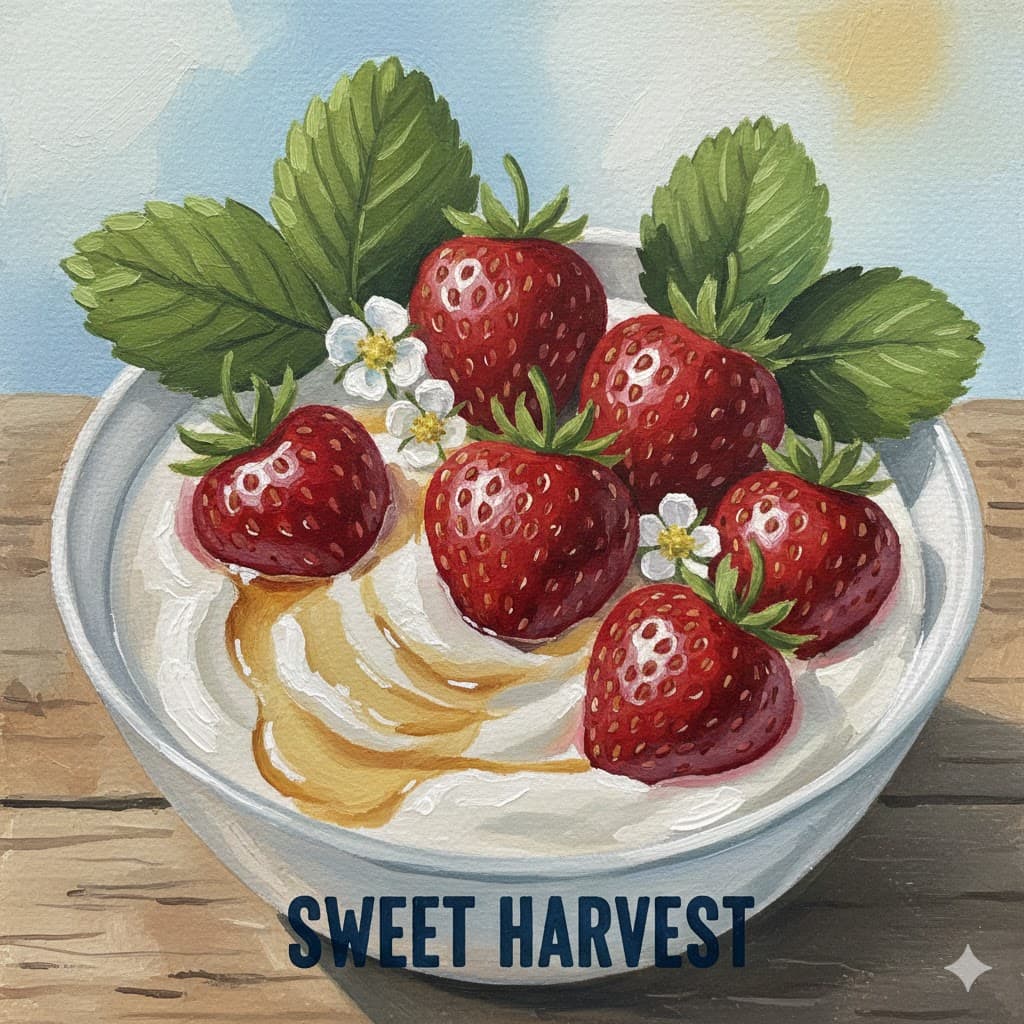
Gouache, opaque watercolor, vivid colors with a matte finish, good for illustration
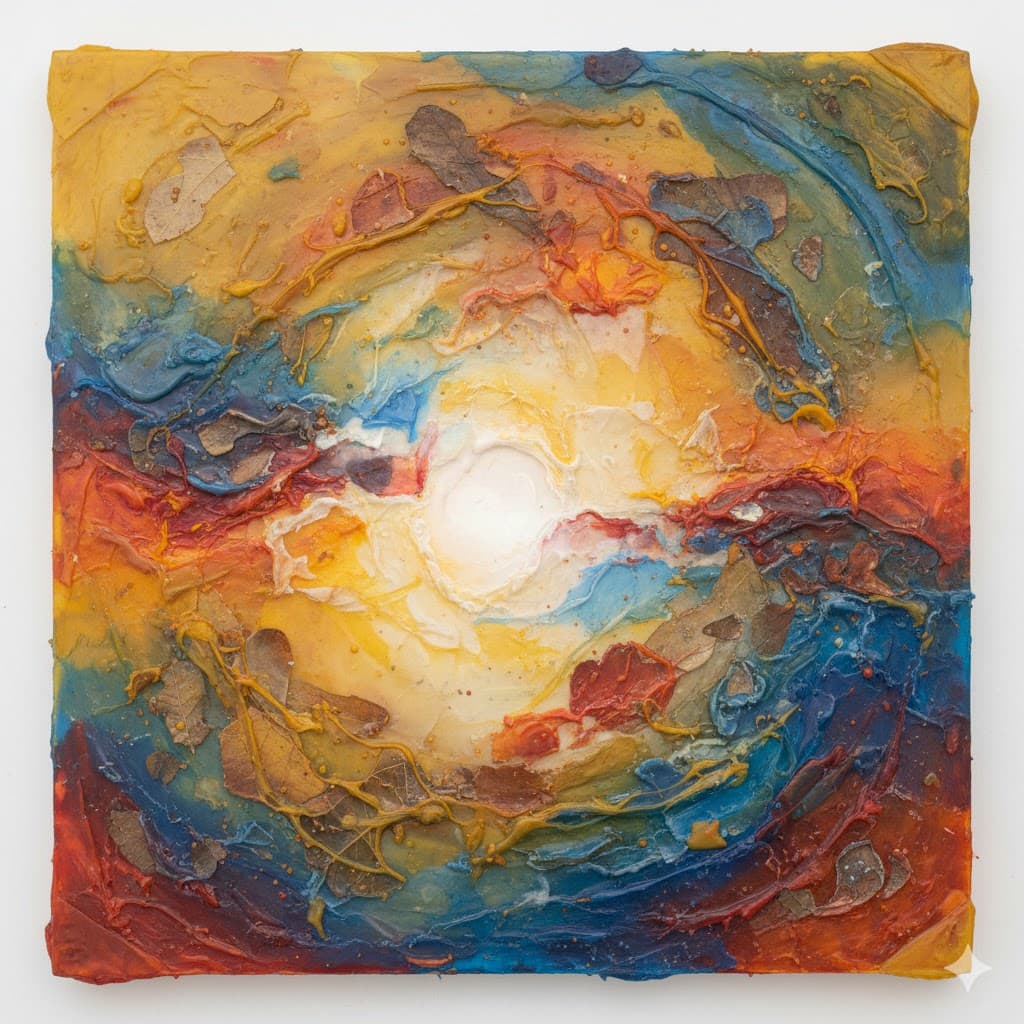
Encaustic painting, an ancient technique using melted wax, with a translucent surface and a sense of thickness
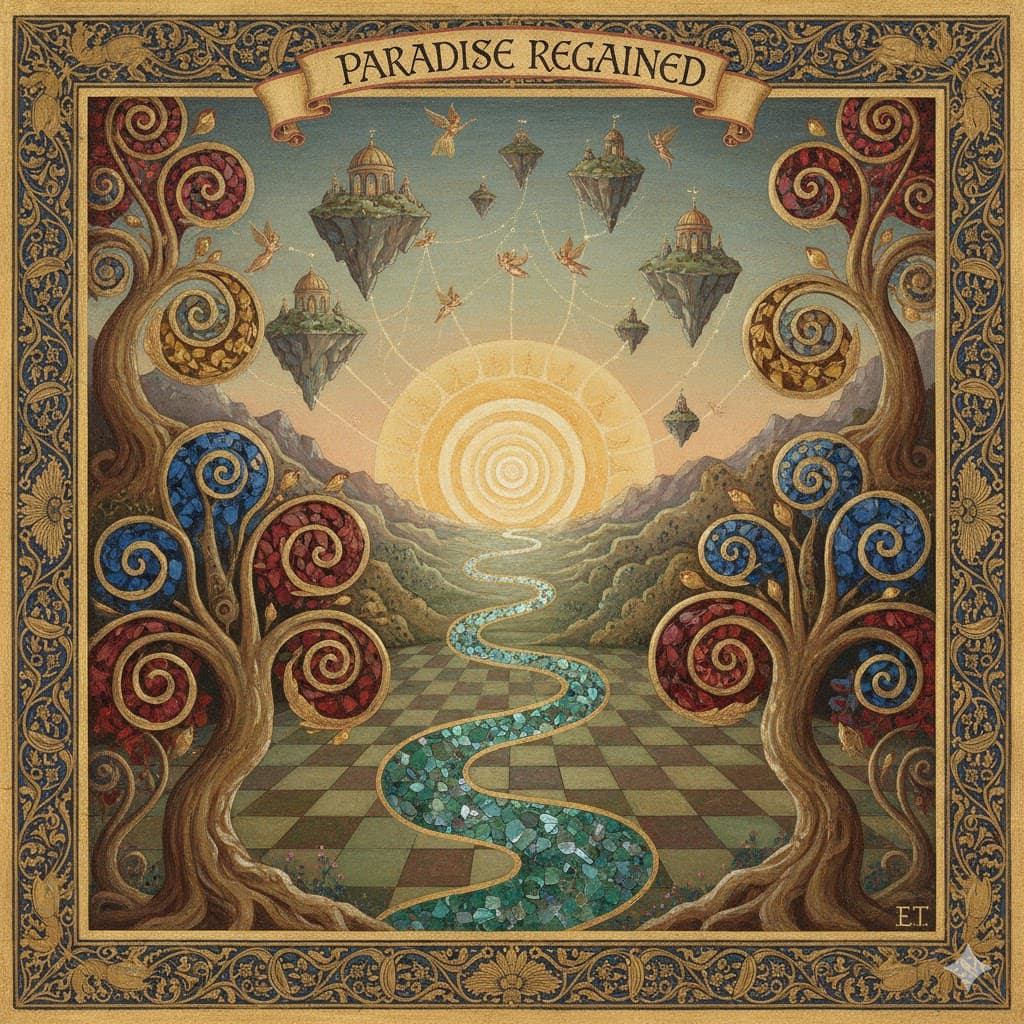
Tempera, soft like medieval icons, with low gloss and calm colors
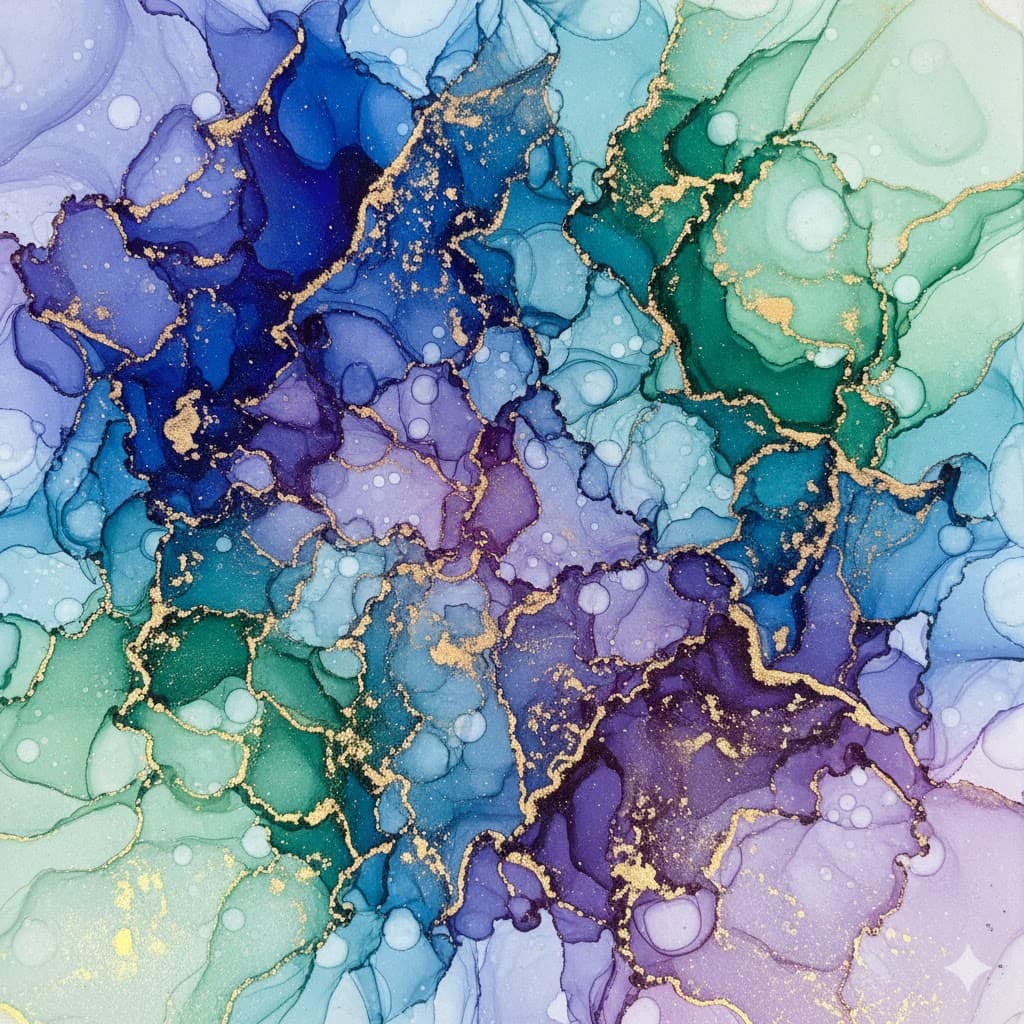
Alcohol ink, abstract patterns that spread fluidly and fantastically like marbling
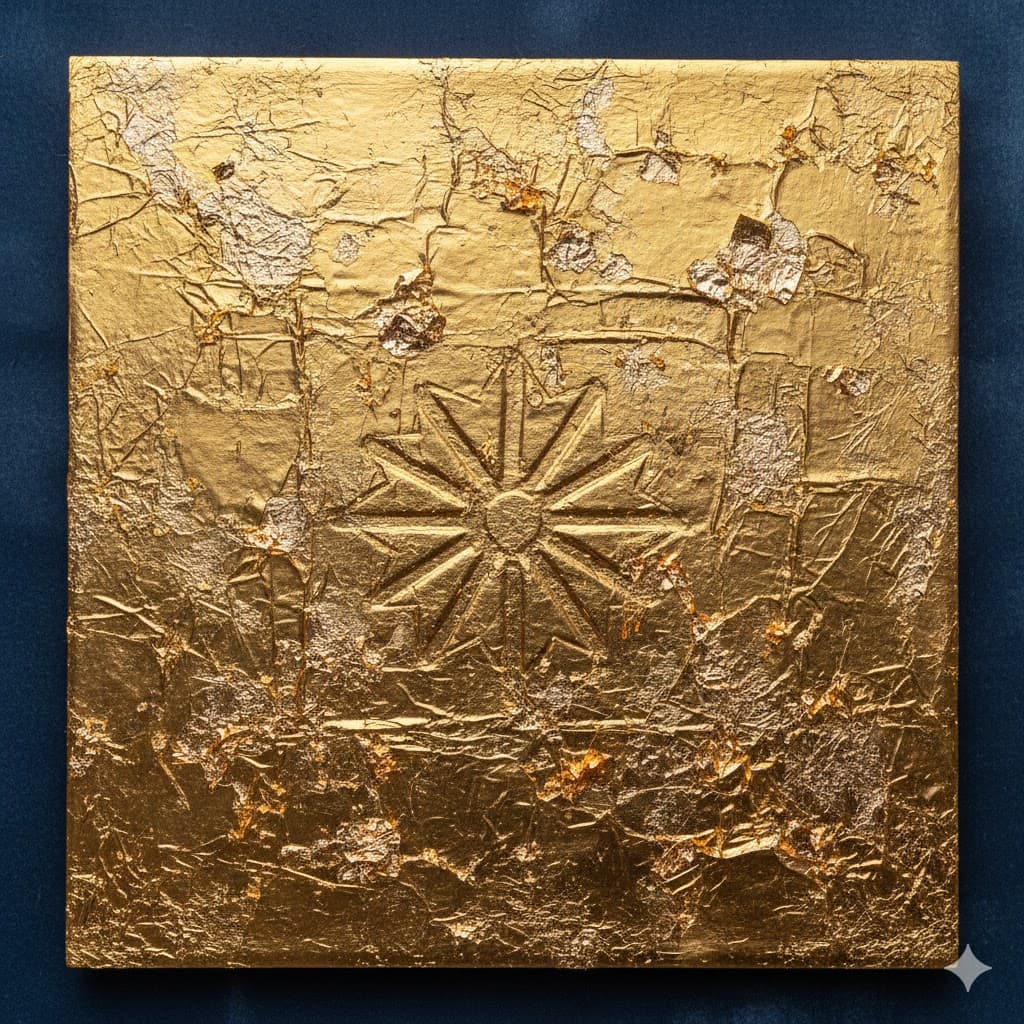
Gold leaf, a luxurious look as if real gold leaf is applied to the background or decorations, like Klimt’s paintings
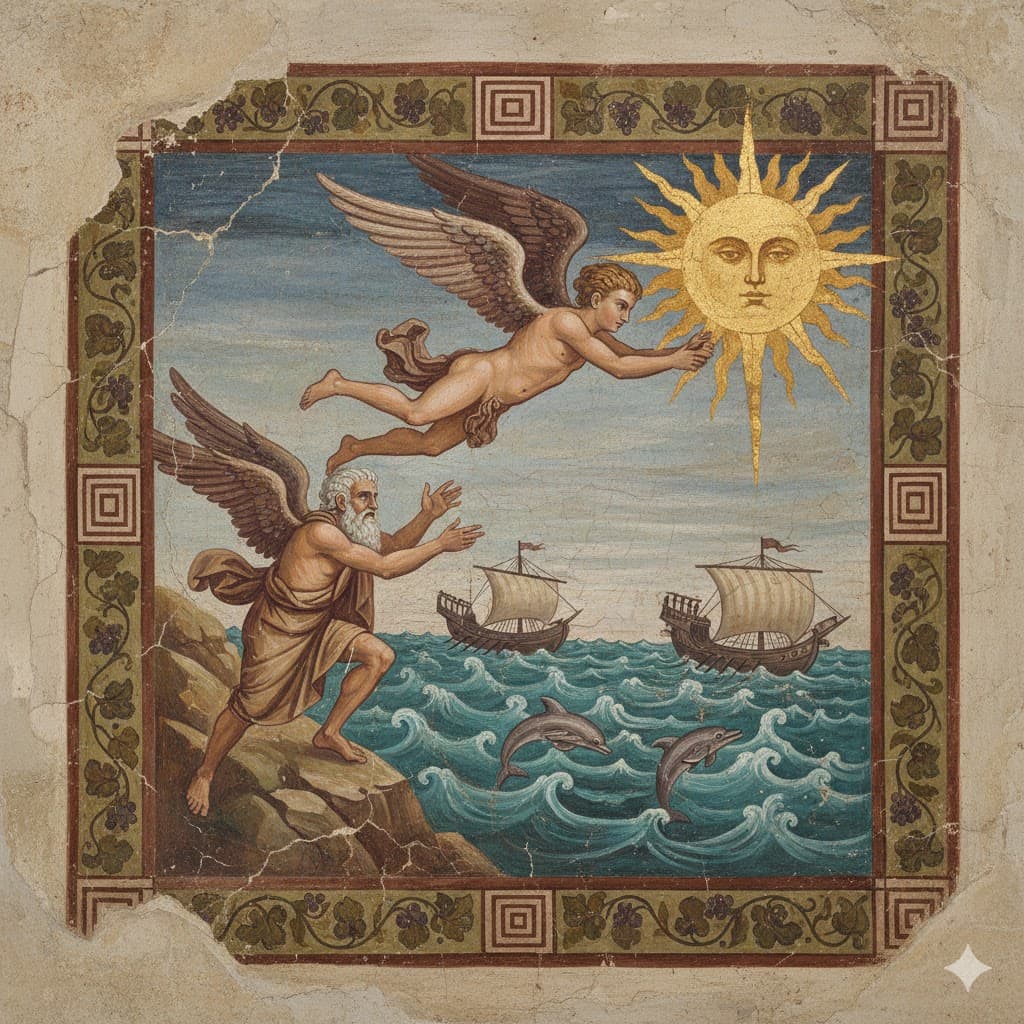
Fresco, painted on wet plaster walls, feels aged with cracks or wall texture
Brushwork & Texture Techniques
Including these keywords removes the AI’s characteristic smoothness and brings out the “handmade” feel.
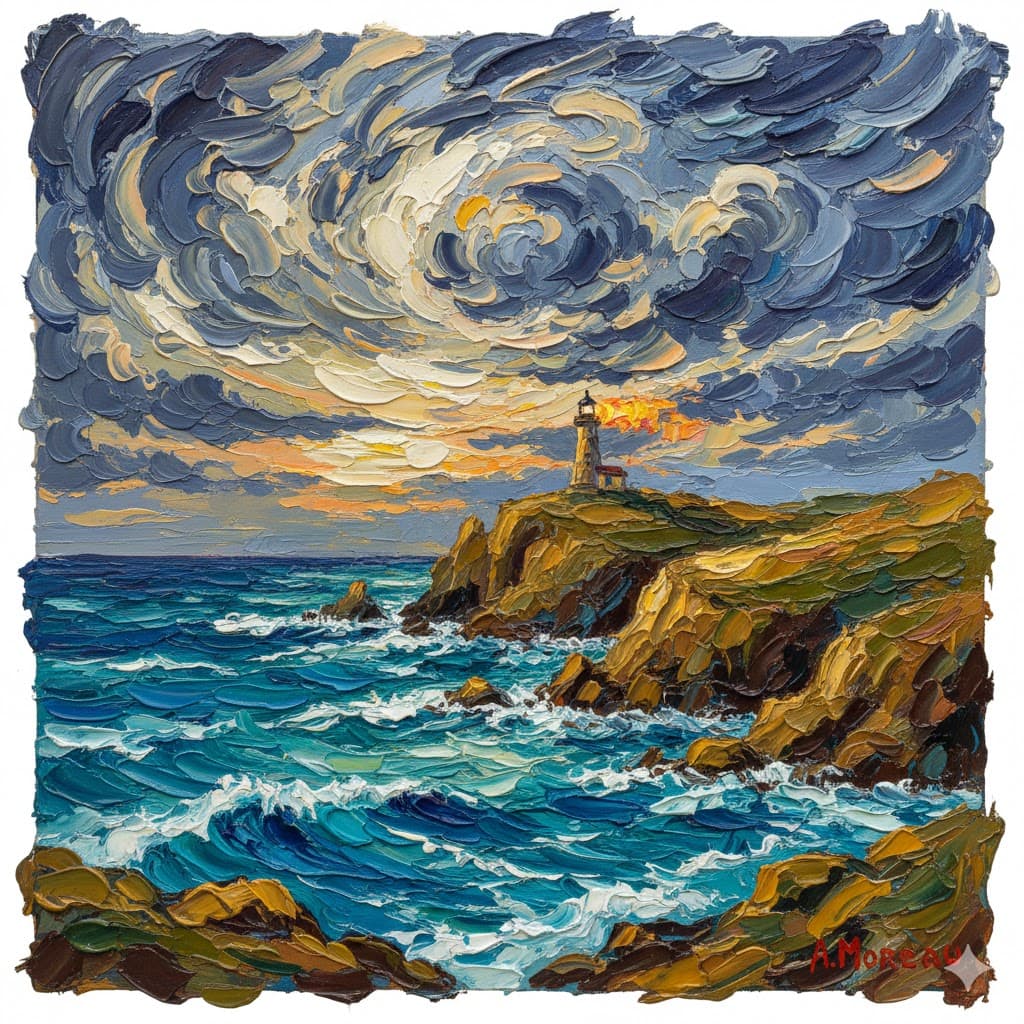
Impasto, paint is applied very thickly and heavily so the texture feels three-dimensional
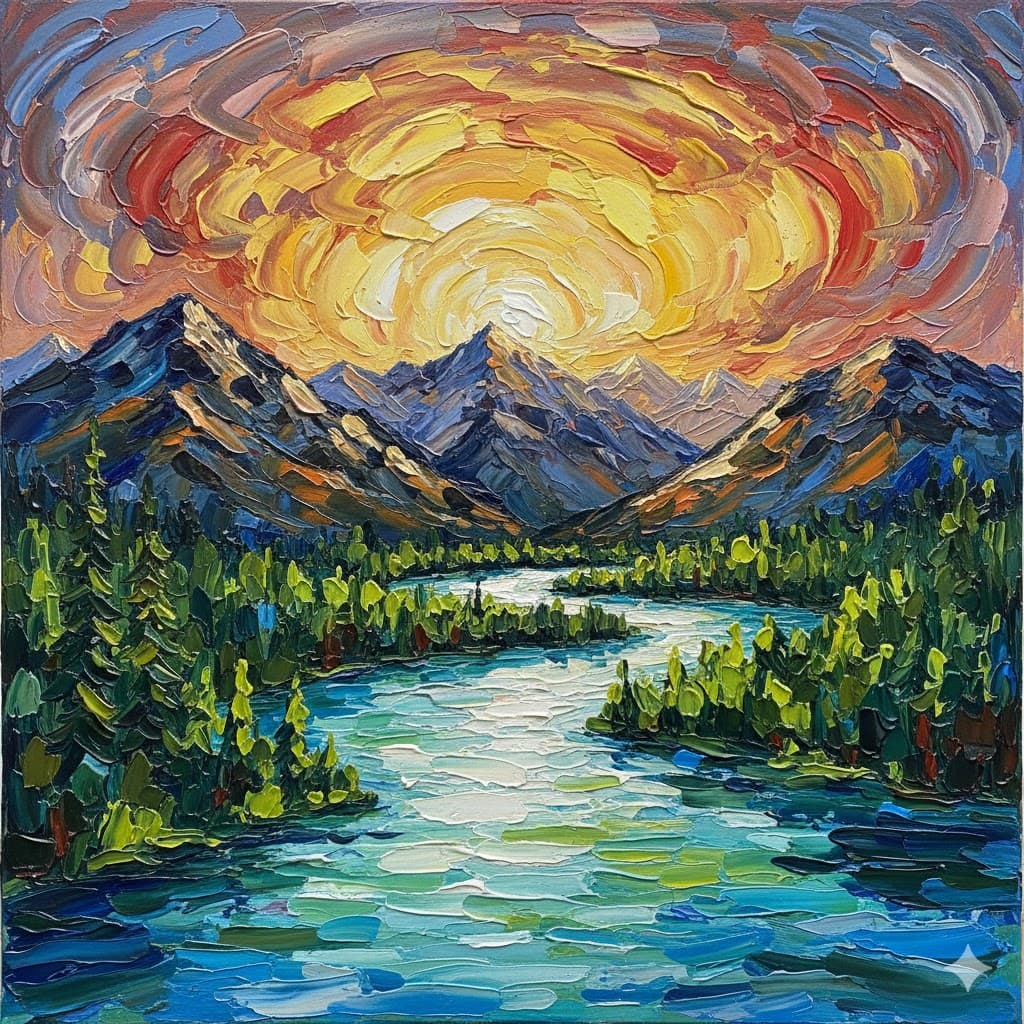
Palette knife, scraping or spreading with a knife instead of a brush for a rough, modern feel
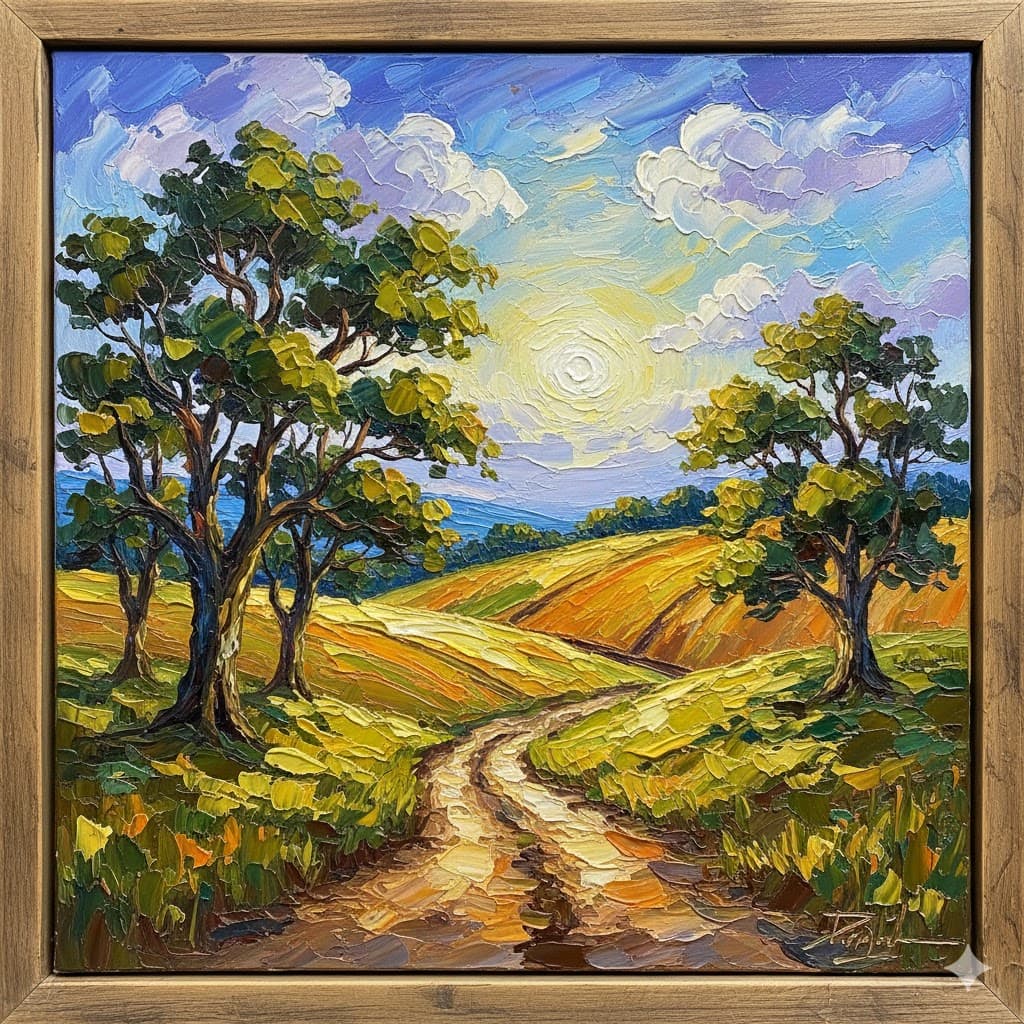
Thick brushstrokes, with brush marks clearly visible
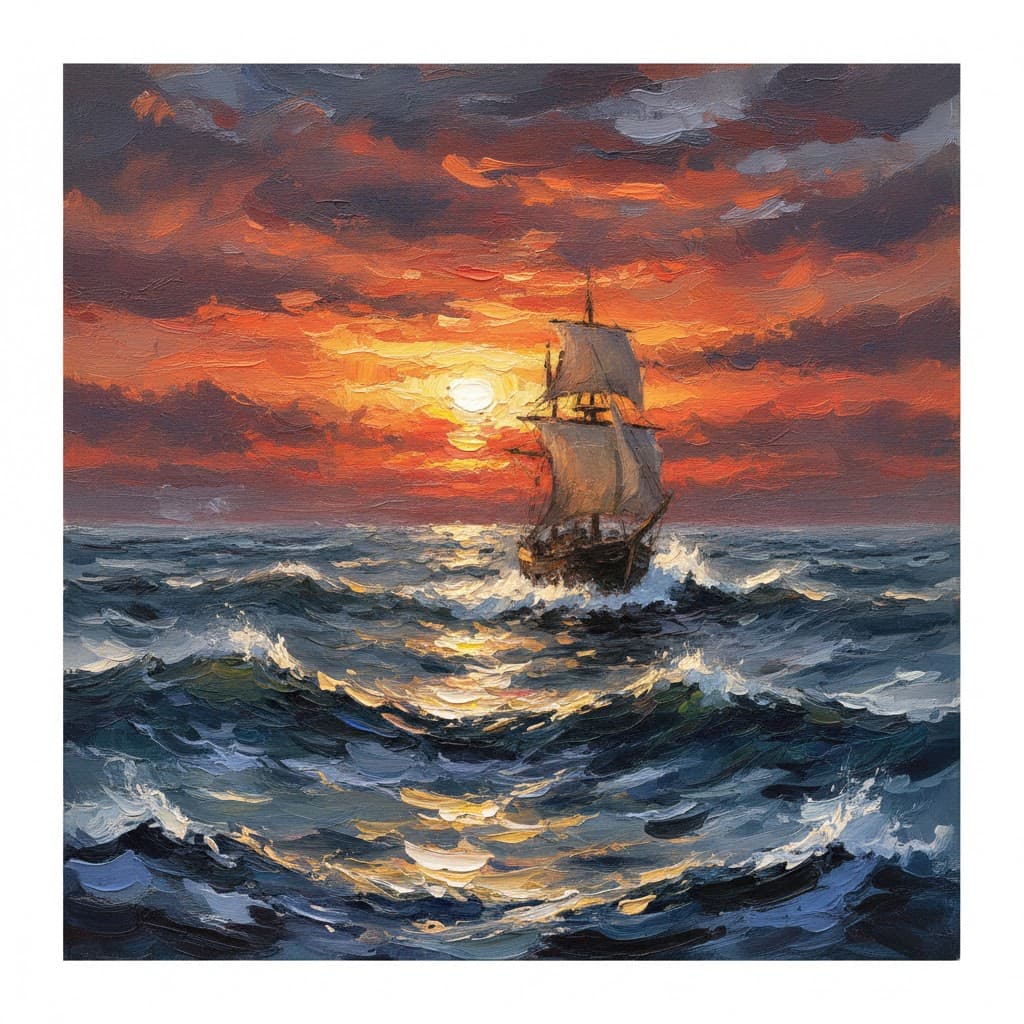
Loose brushwork, not carefully rendering forms, but a bold, free-flowing feel
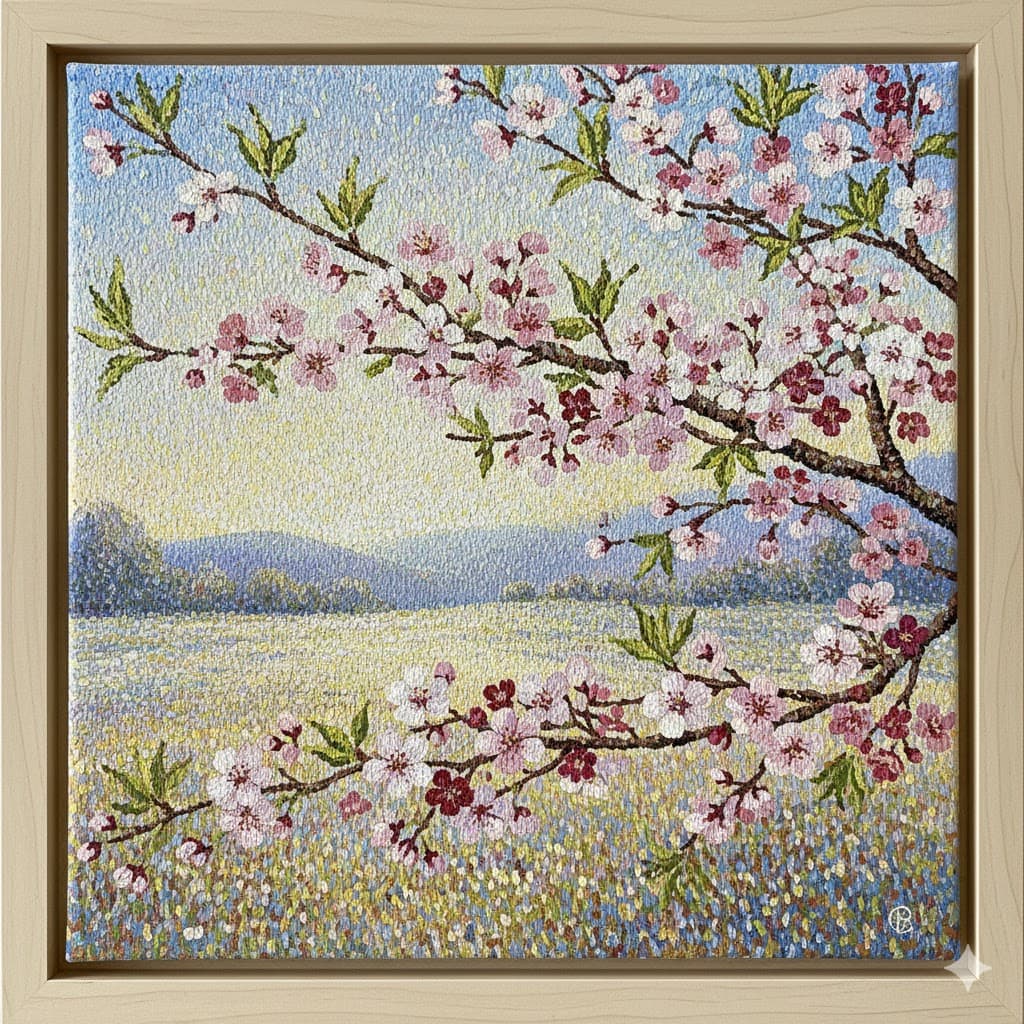
Pointillism, depicting forms with countless dots, colors don’t fully blend and seem to vibrate
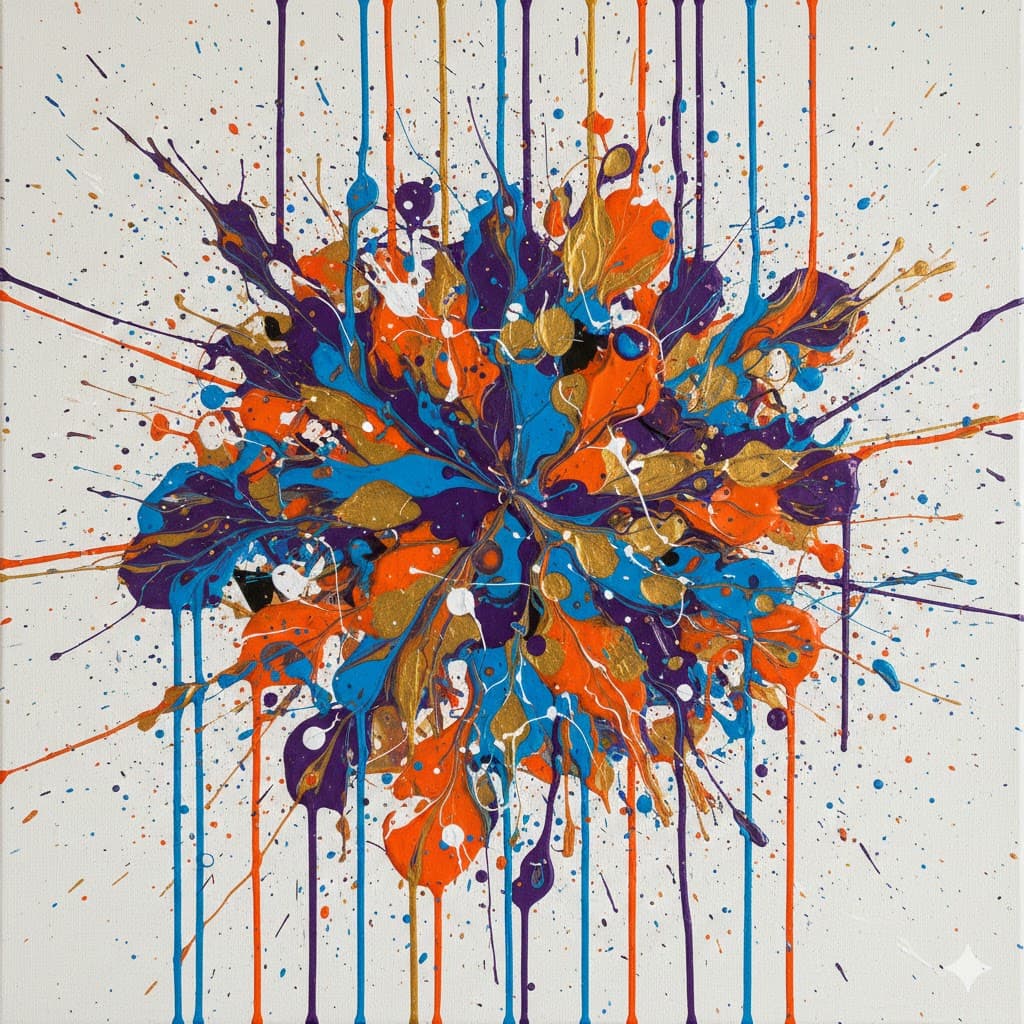
Dripping/Splatter, paint splashes or drips like Jackson Pollock’s work
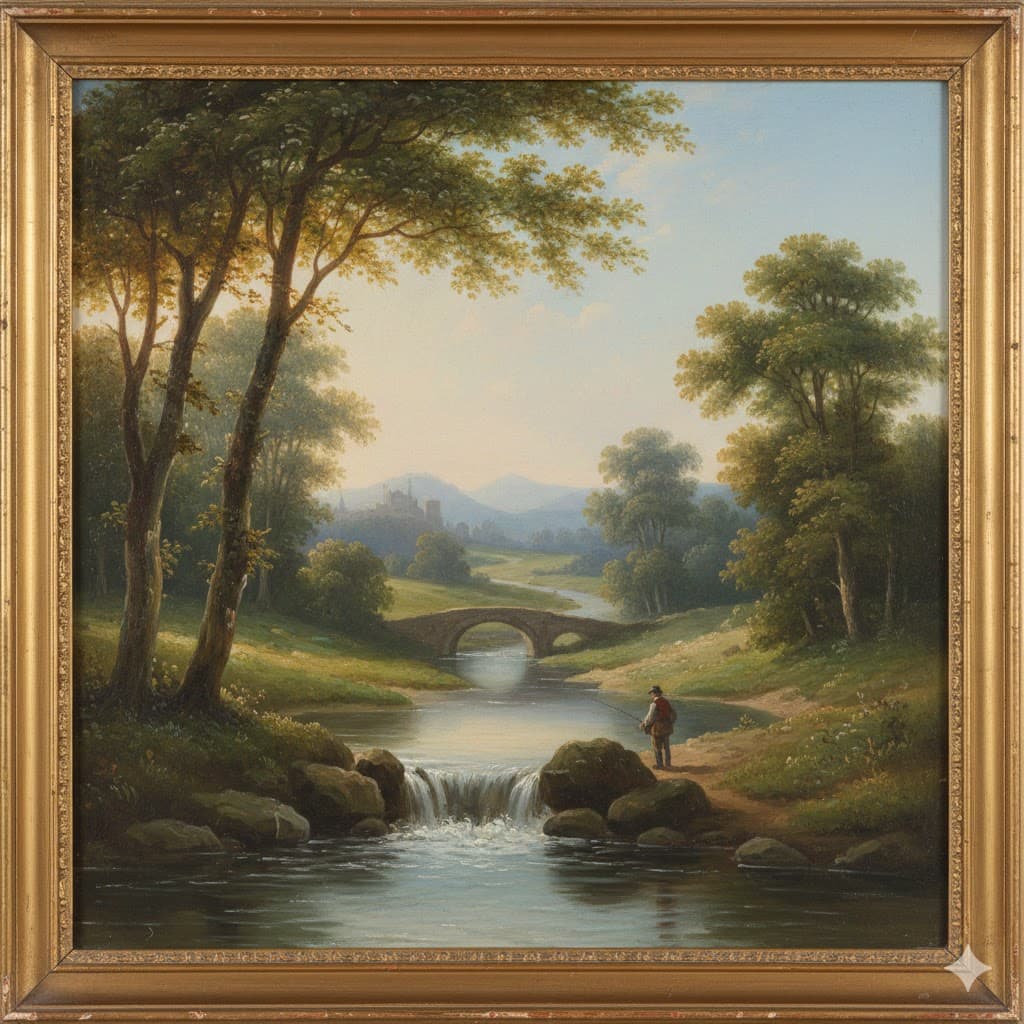
Glazing, applying thin layers of paint multiple times for deep, glass-like transparent colors
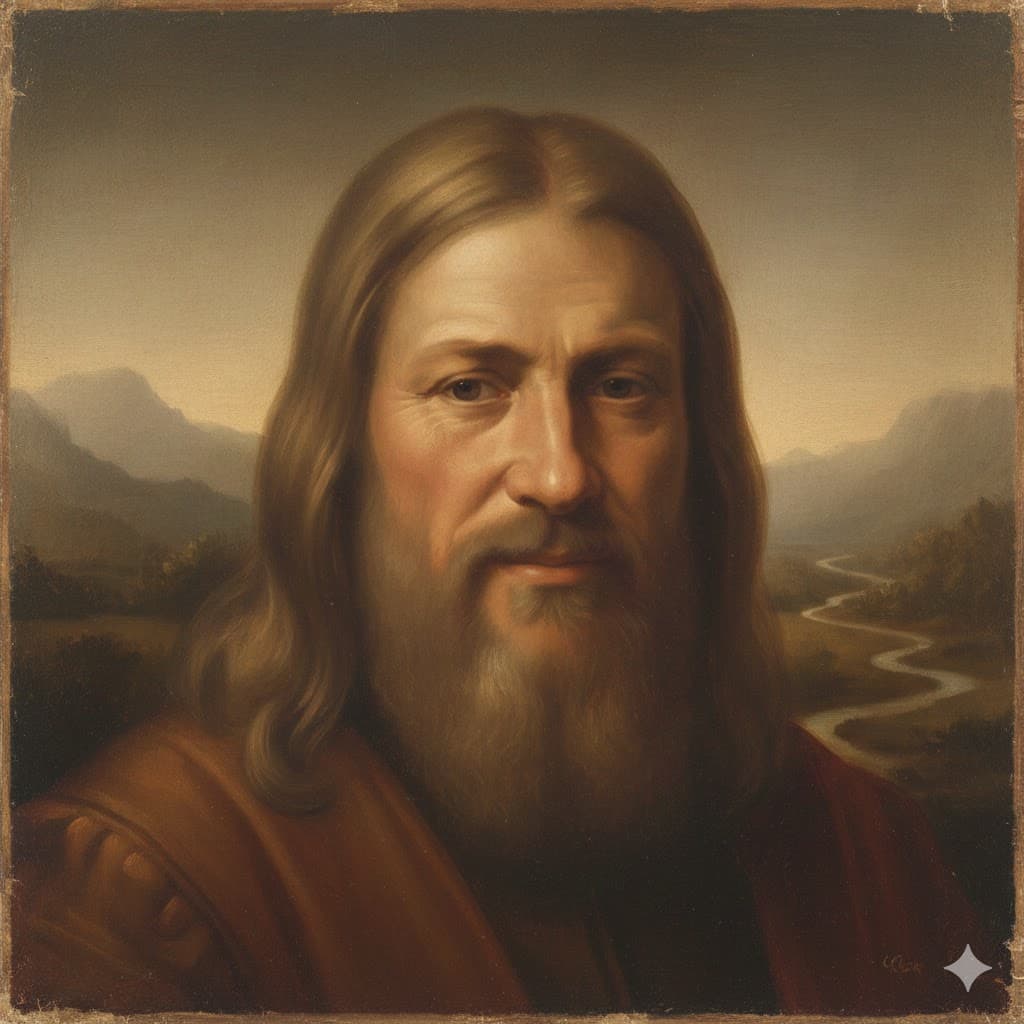
Sfumato, Leonardo da Vinci’s technique of blurring contours like mist
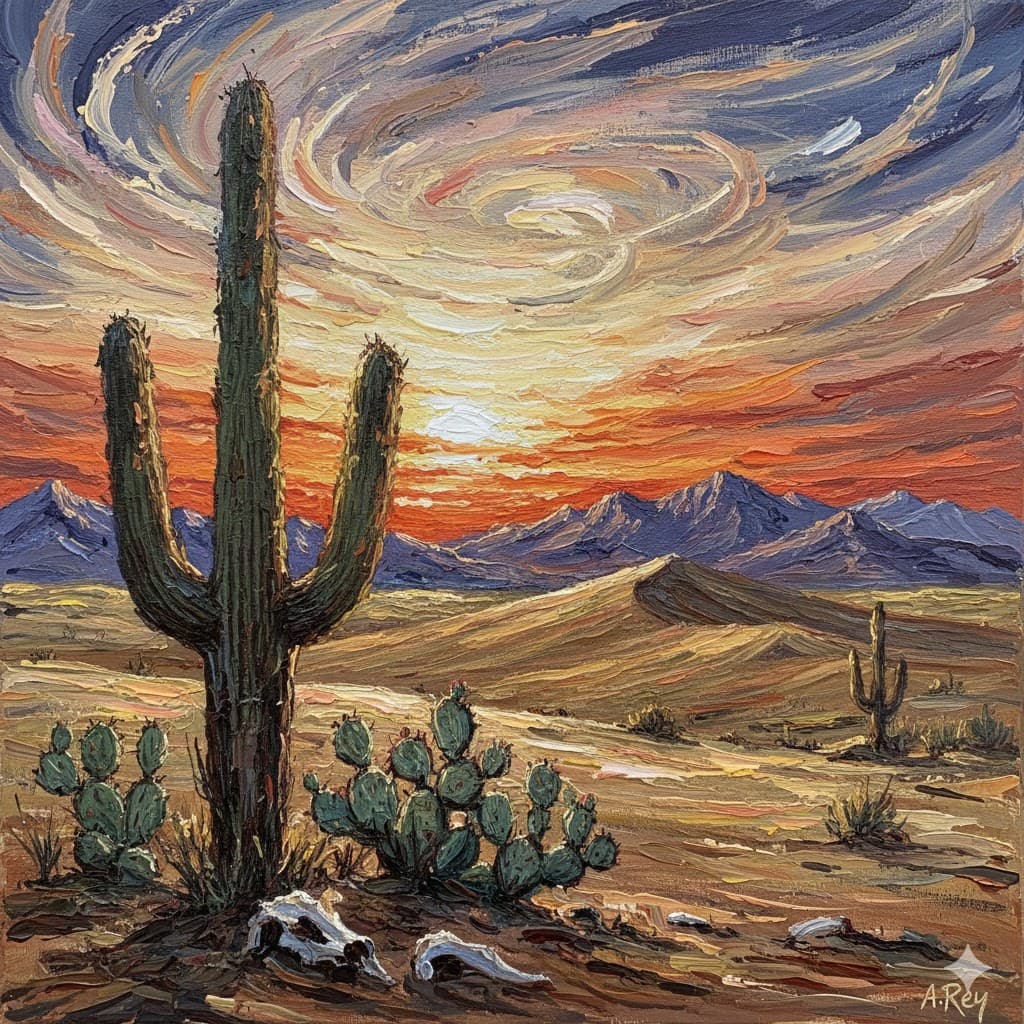
Dry brush, painted with a brush with no moisture, leaving rough, scratched marks
Drawing & Sketching
Styles that use dry media instead of paint.
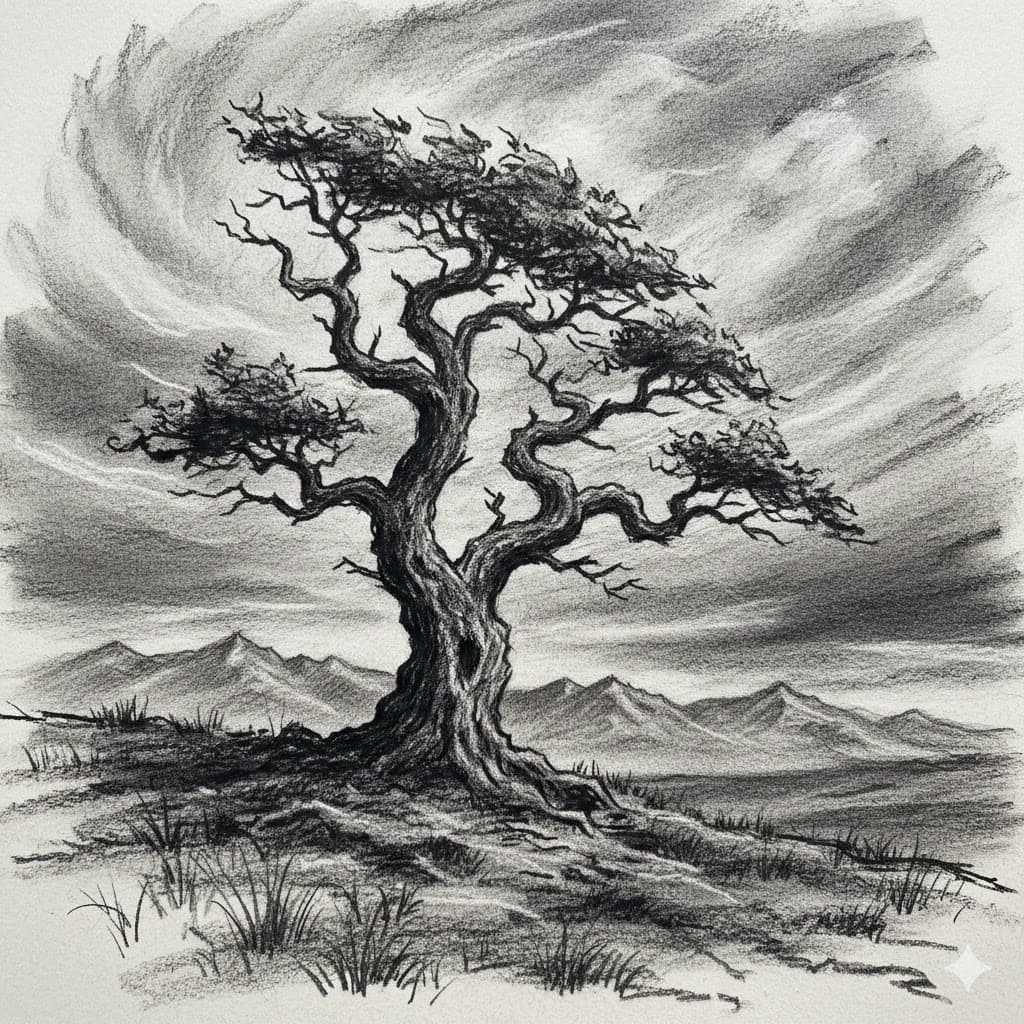
Charcoal drawing, dark, intense shading with a rough texture, as if smudged by hand
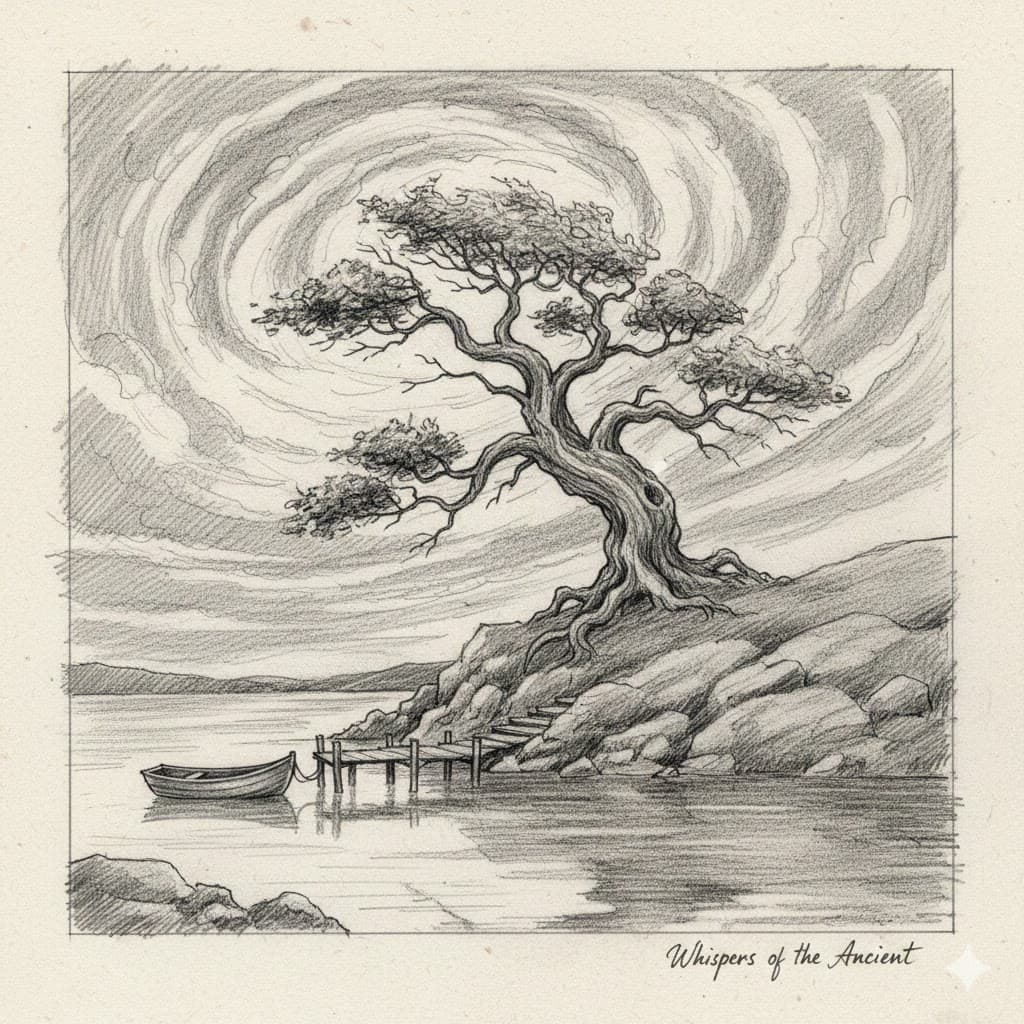
Pencil drawing, a black-and-white image where the shine of graphite and the texture of the paper are alive
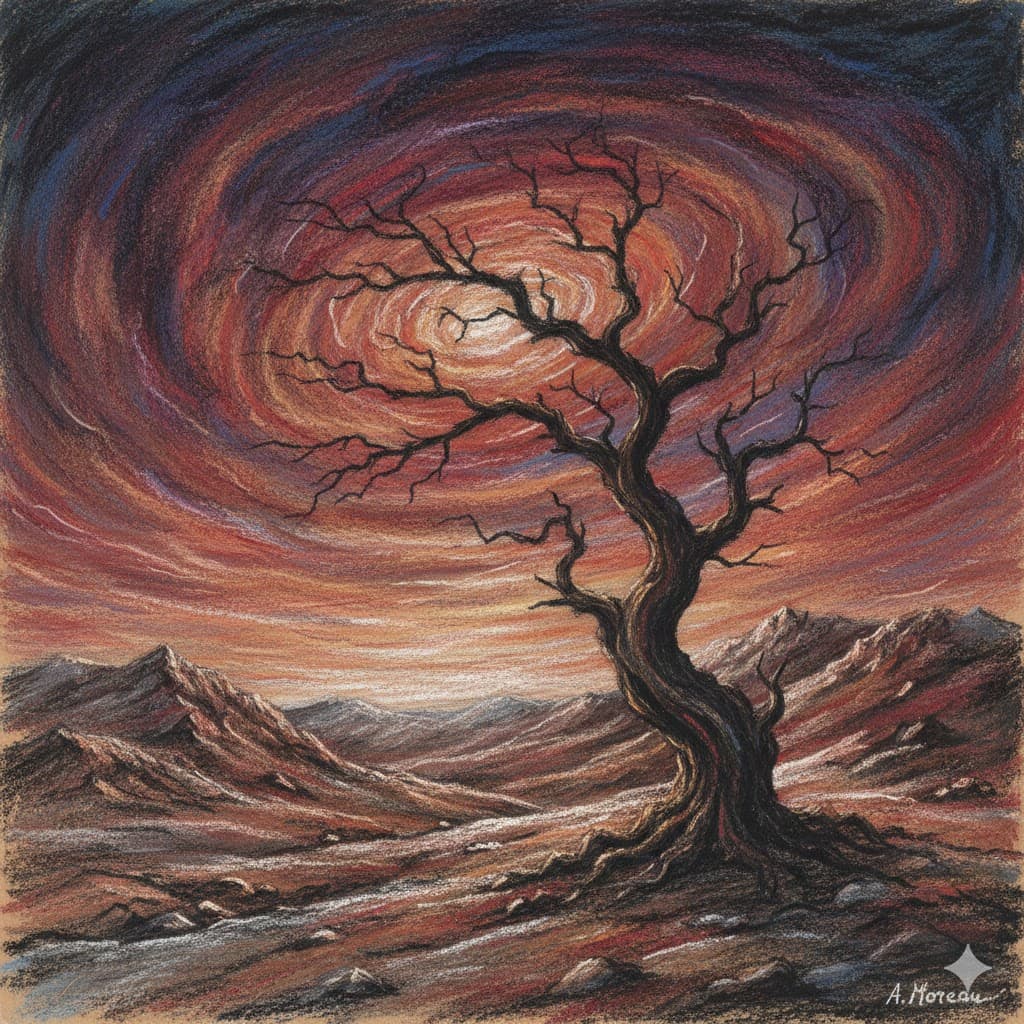
Conté, harder and with richer color than charcoal, usually reddish brown (sanguine) or black
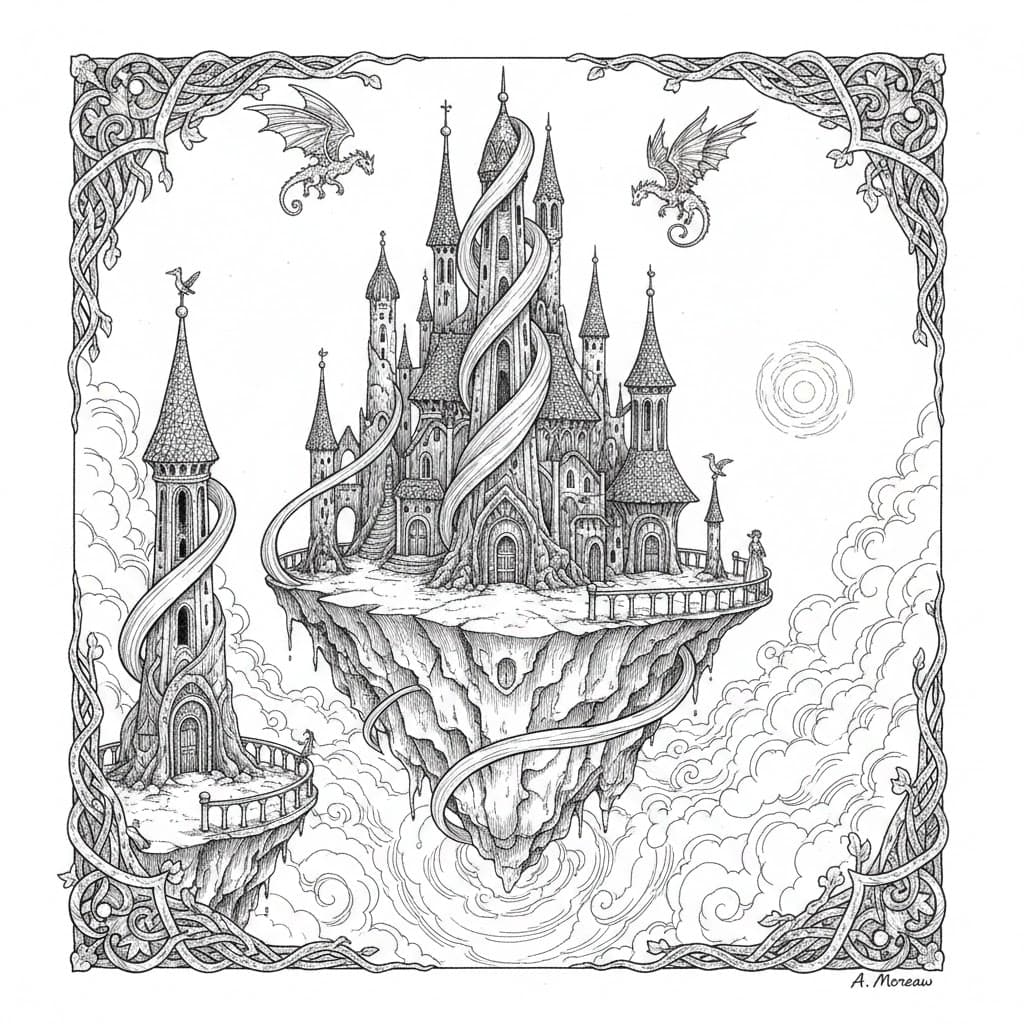
Pen drawing, sharp and clean lines drawn with an ink pen
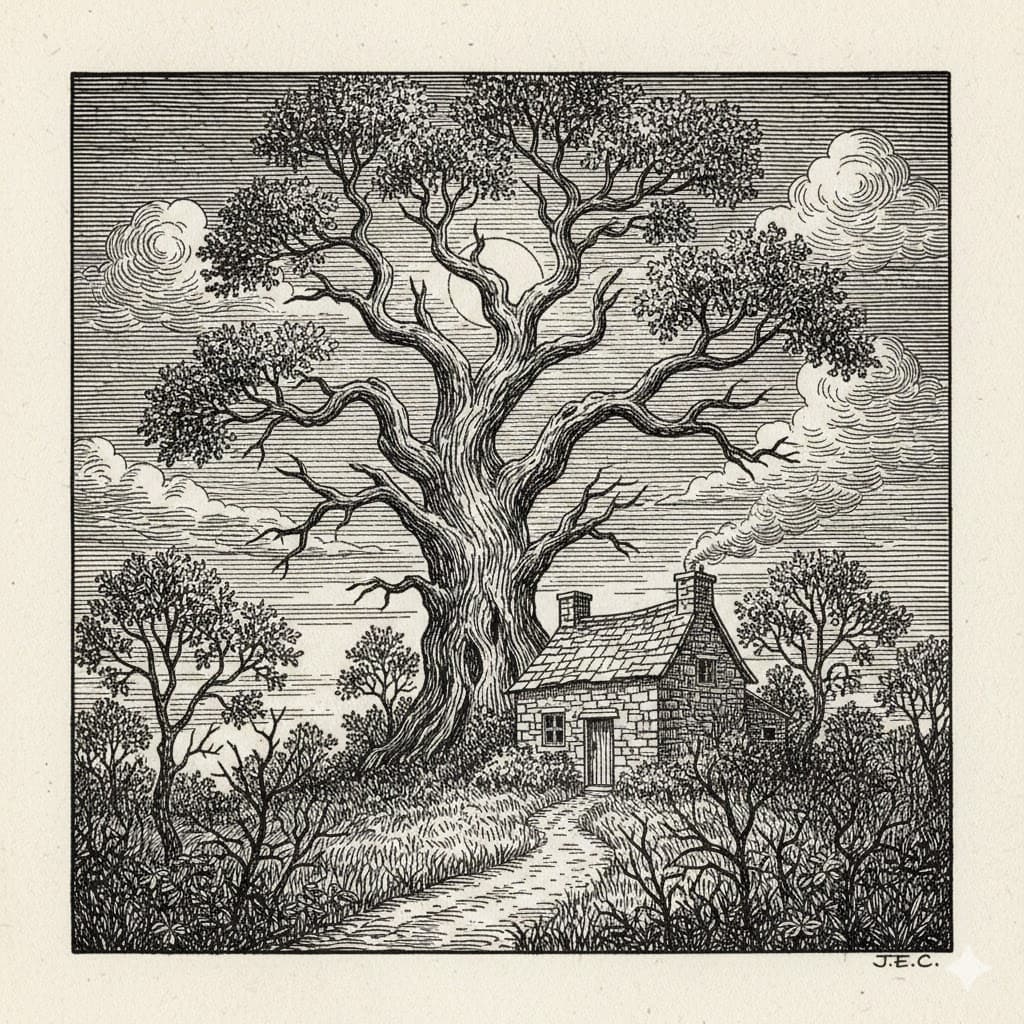
Cross-hatching, a classical printmaking/pen technique that uses intersecting lines for shading
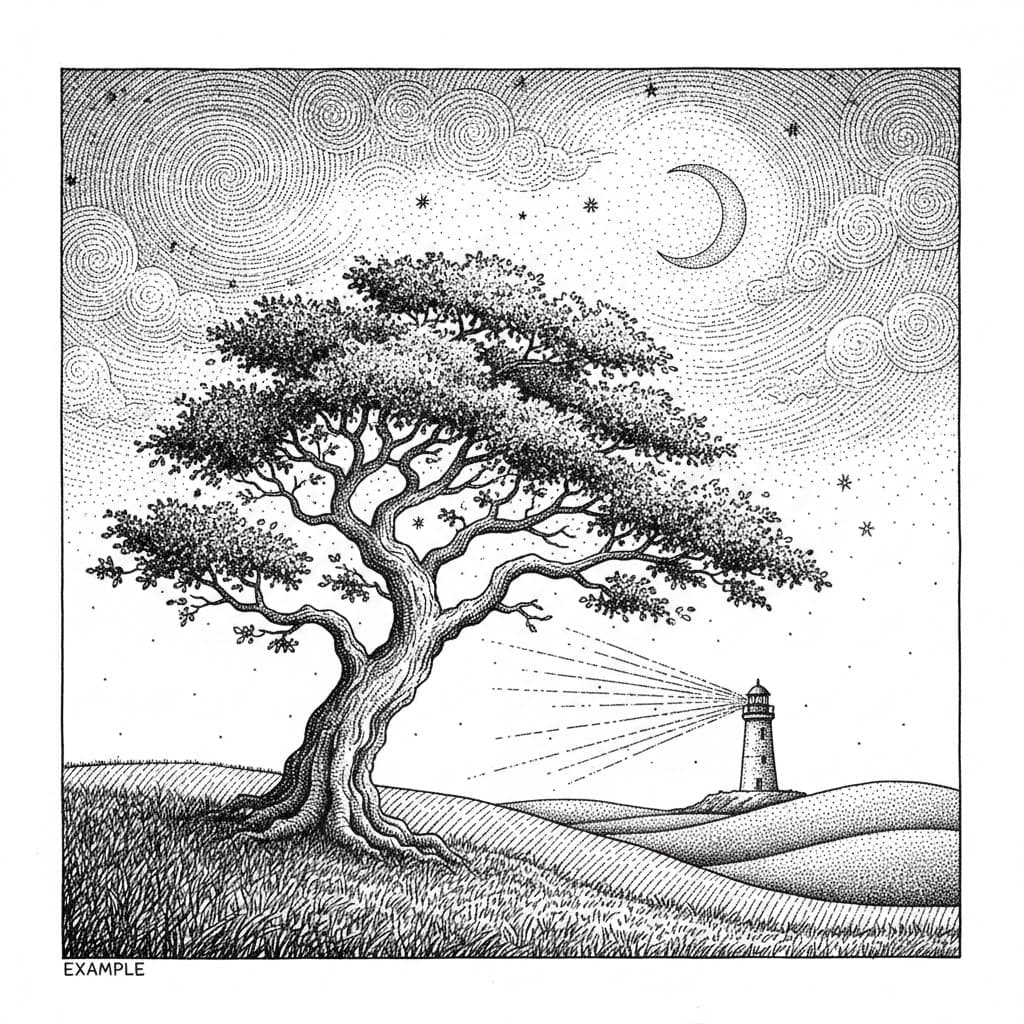
Stippling, a detailed rendering technique that uses dots to express light and shadow
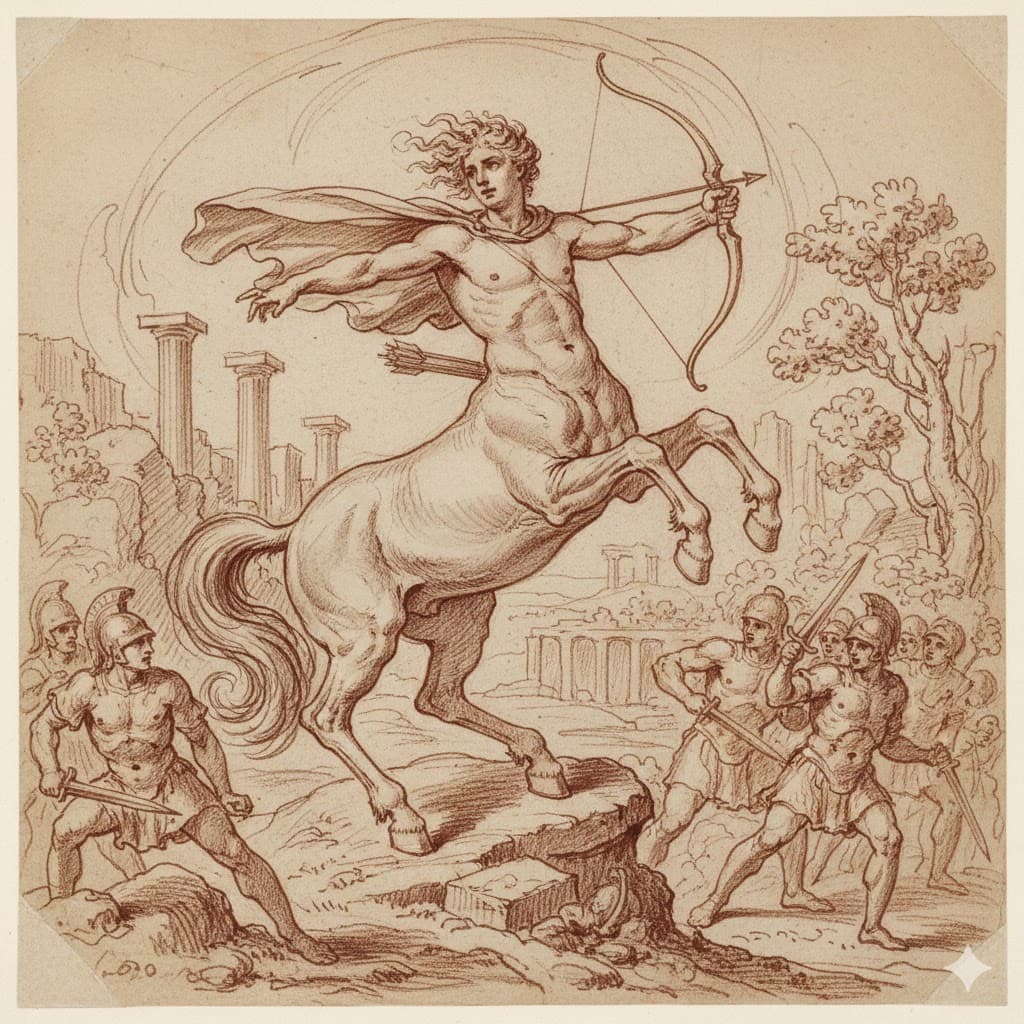
Sanguine, a reddish chalk feel reminiscent of Renaissance-era drawings
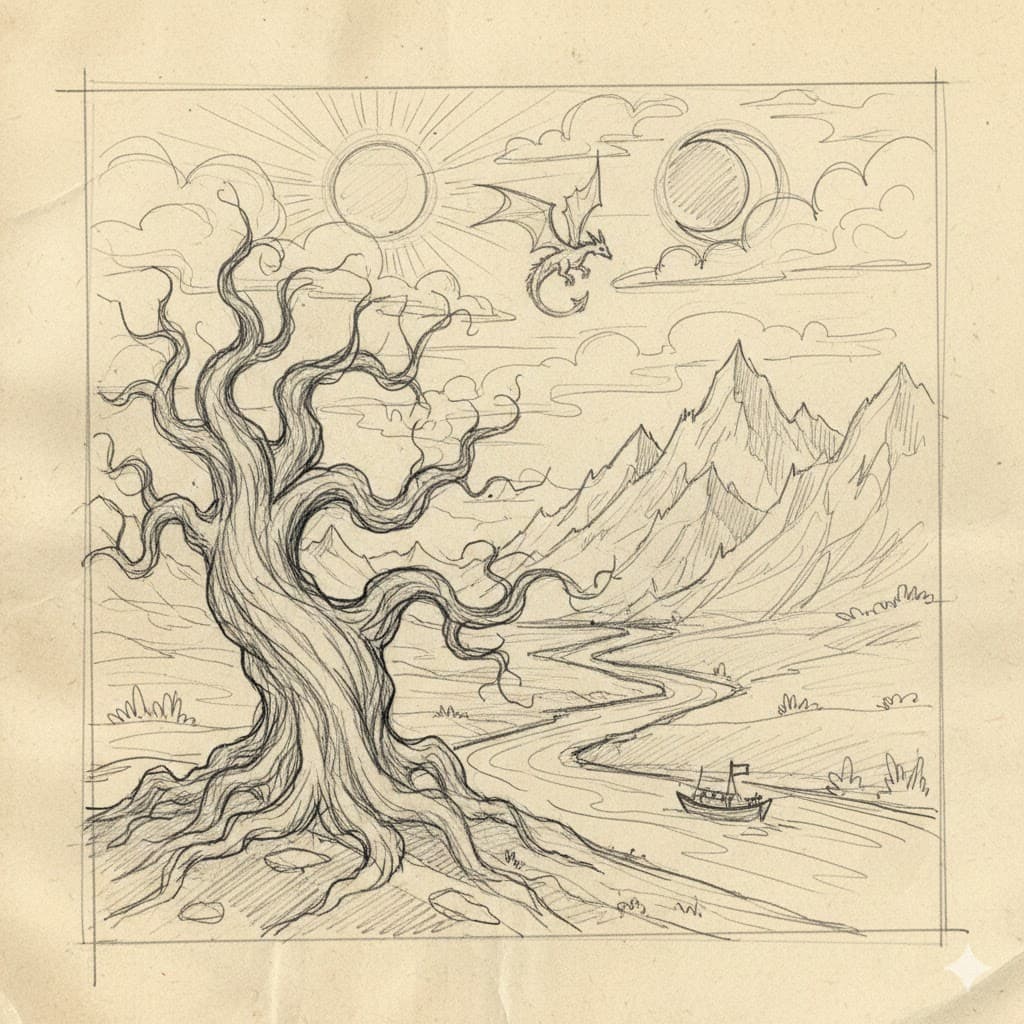
Rough sketch, the feel of an unfinished idea-sketch stage
Major Art Movements
These are cheat-code-like keywords that can bring in the mood of a specific era at once.
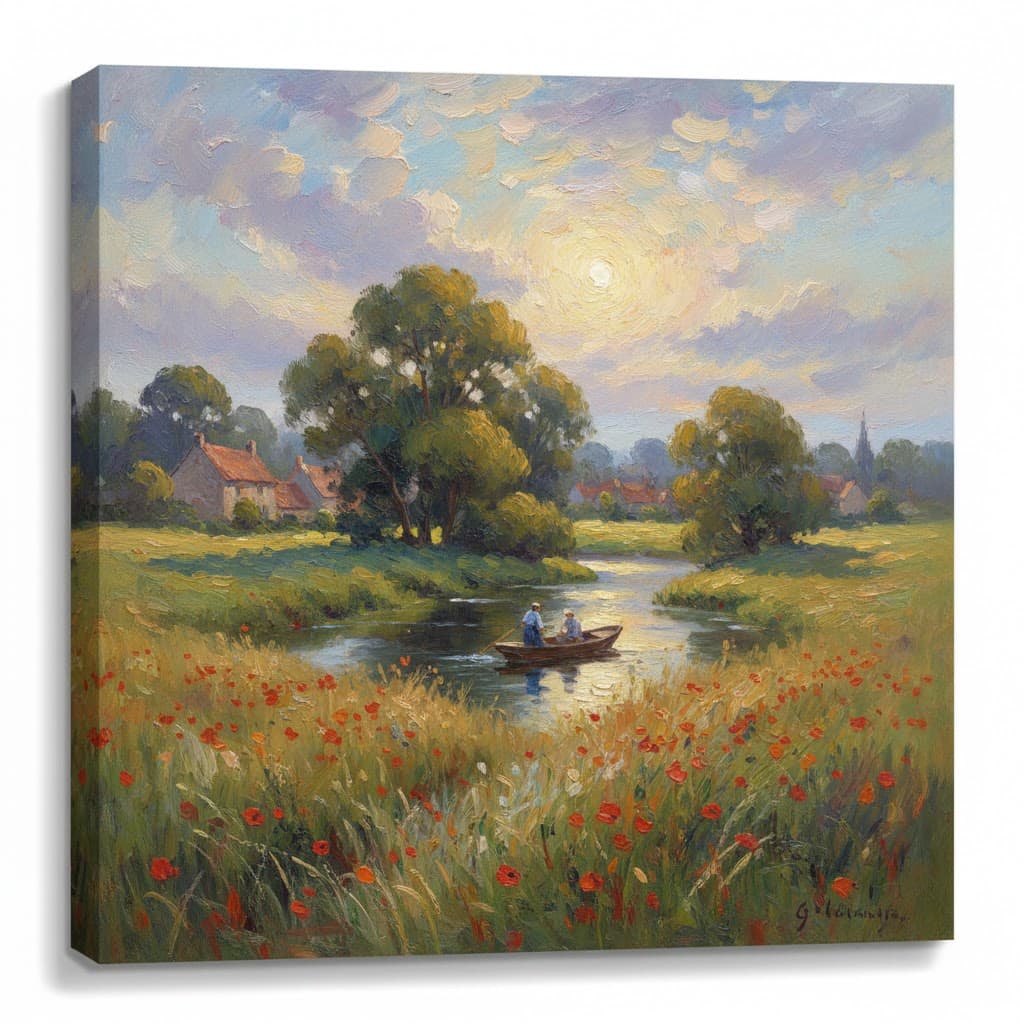
Impressionism, capturing changes of light and color with quick brushstrokes, Monet style
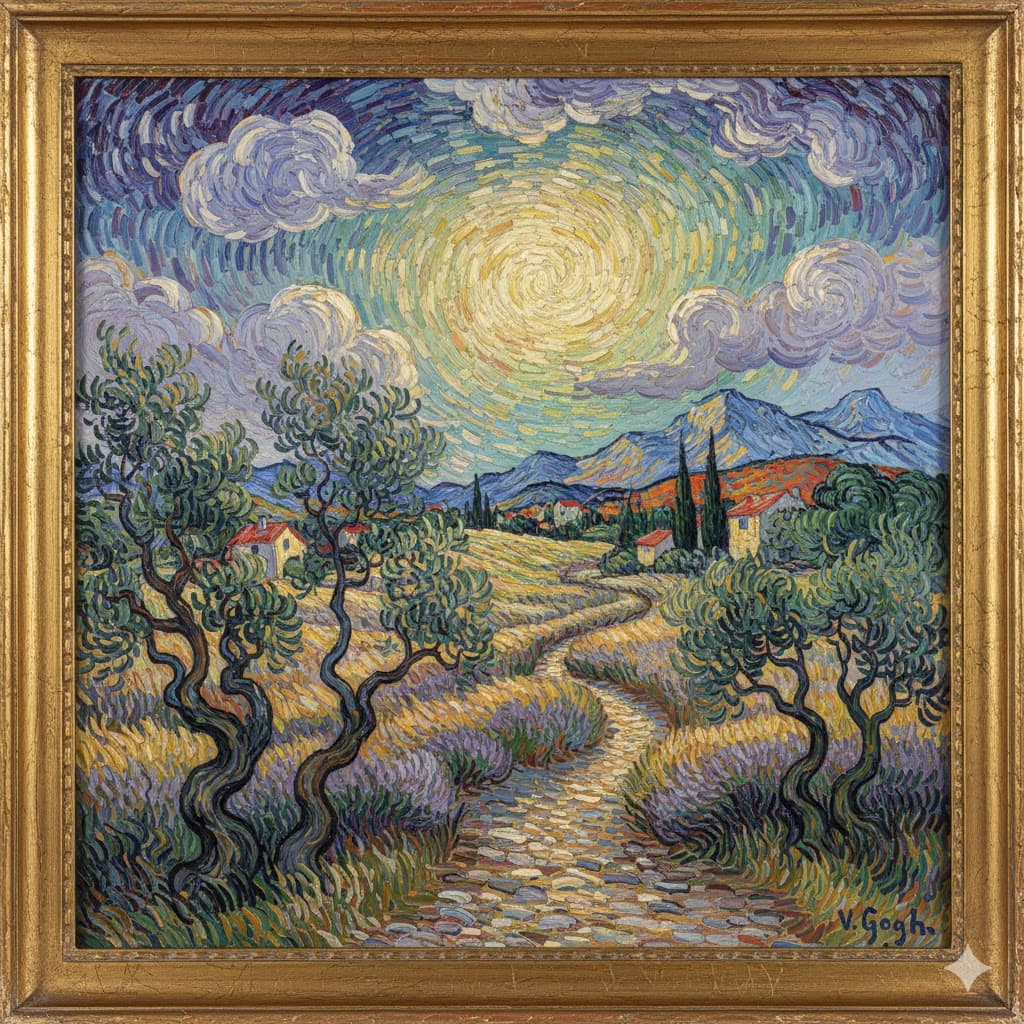
Post-Impressionism, intense emotion and brushwork, Van Gogh style
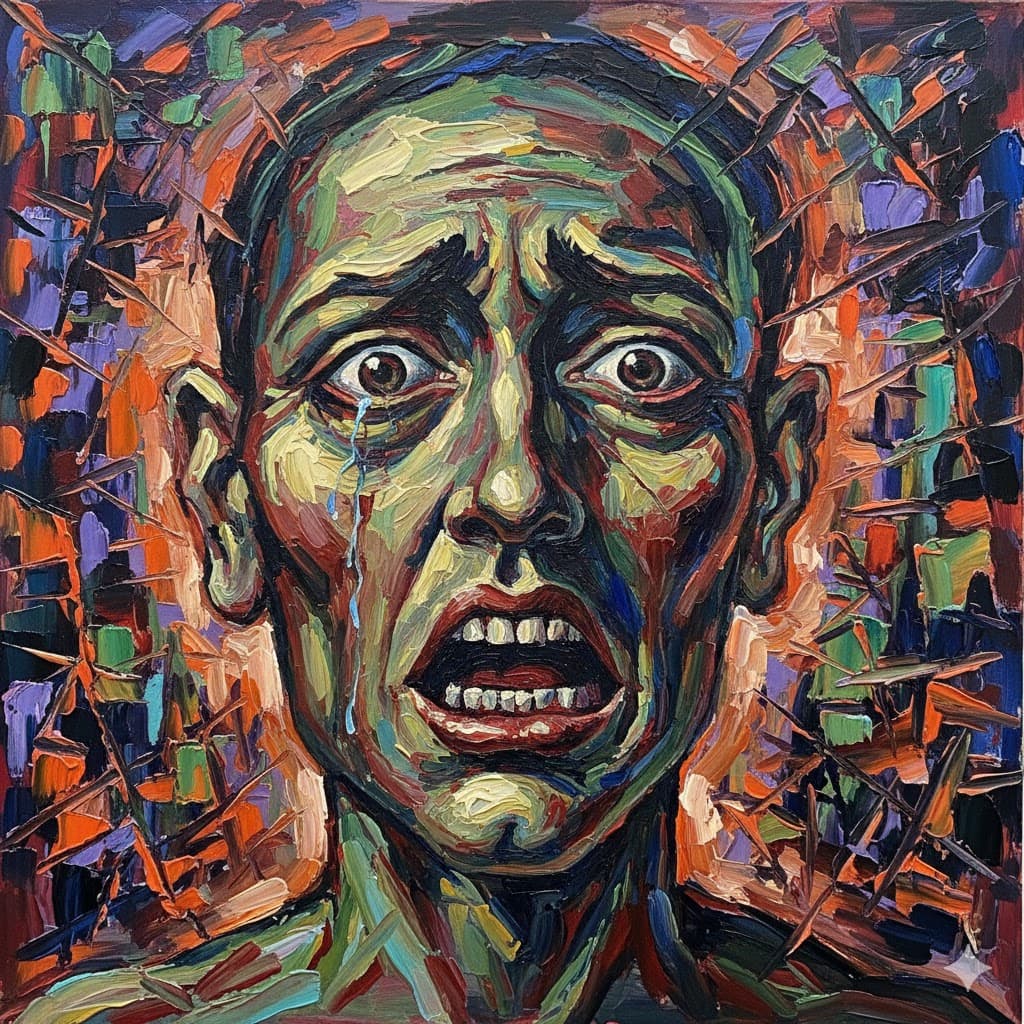
Expressionism, distorting forms and using strong primary colors to express anxiety or emotion
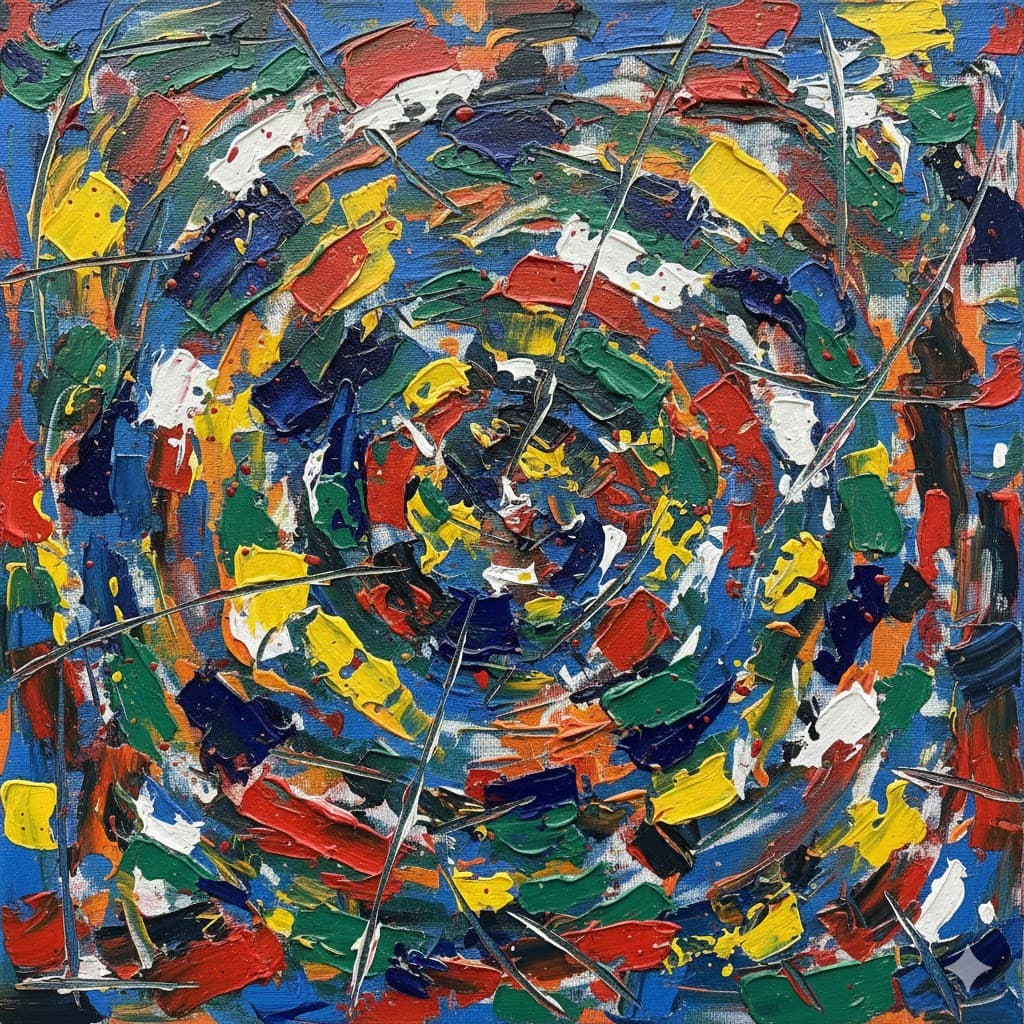
Abstract Expressionism, expressing emotion with only color and brushwork, without form
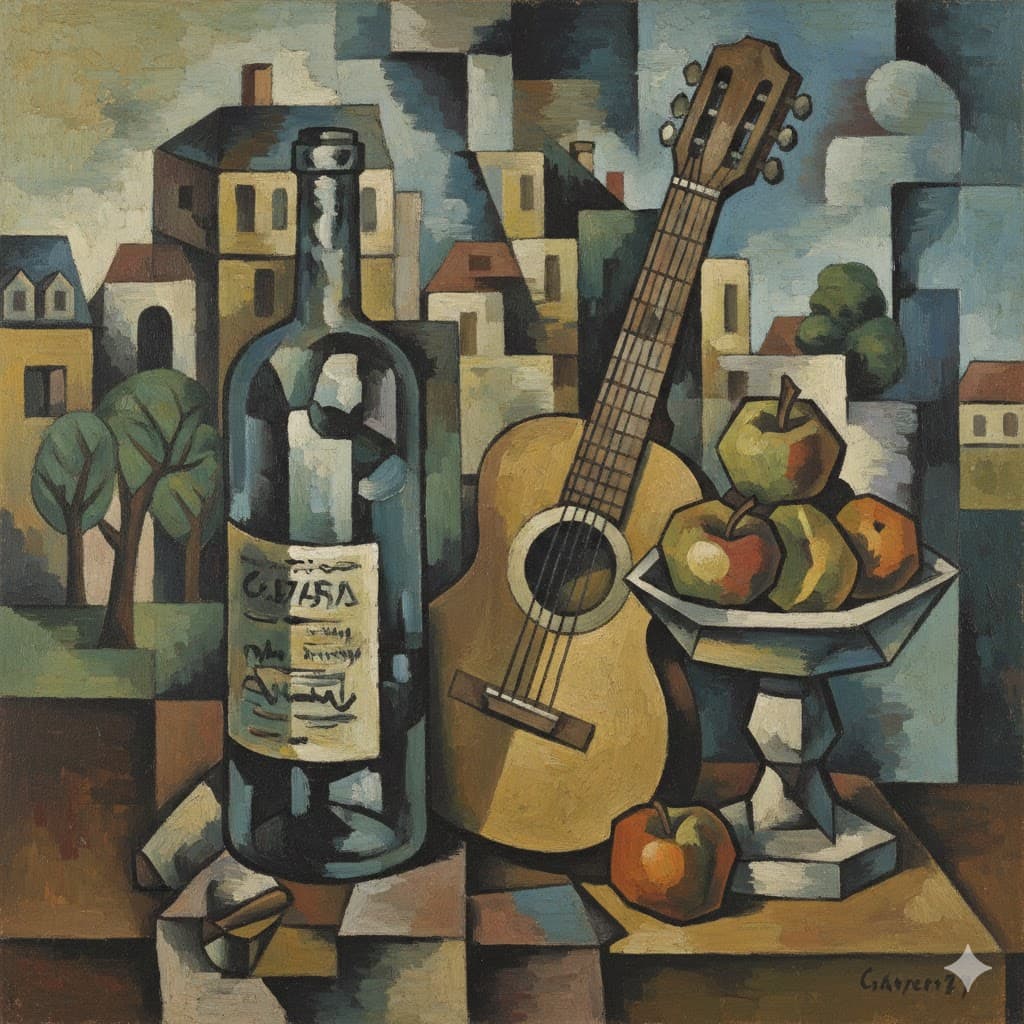
Cubism, breaking objects into pieces and reconstructing them geometrically, Picasso style
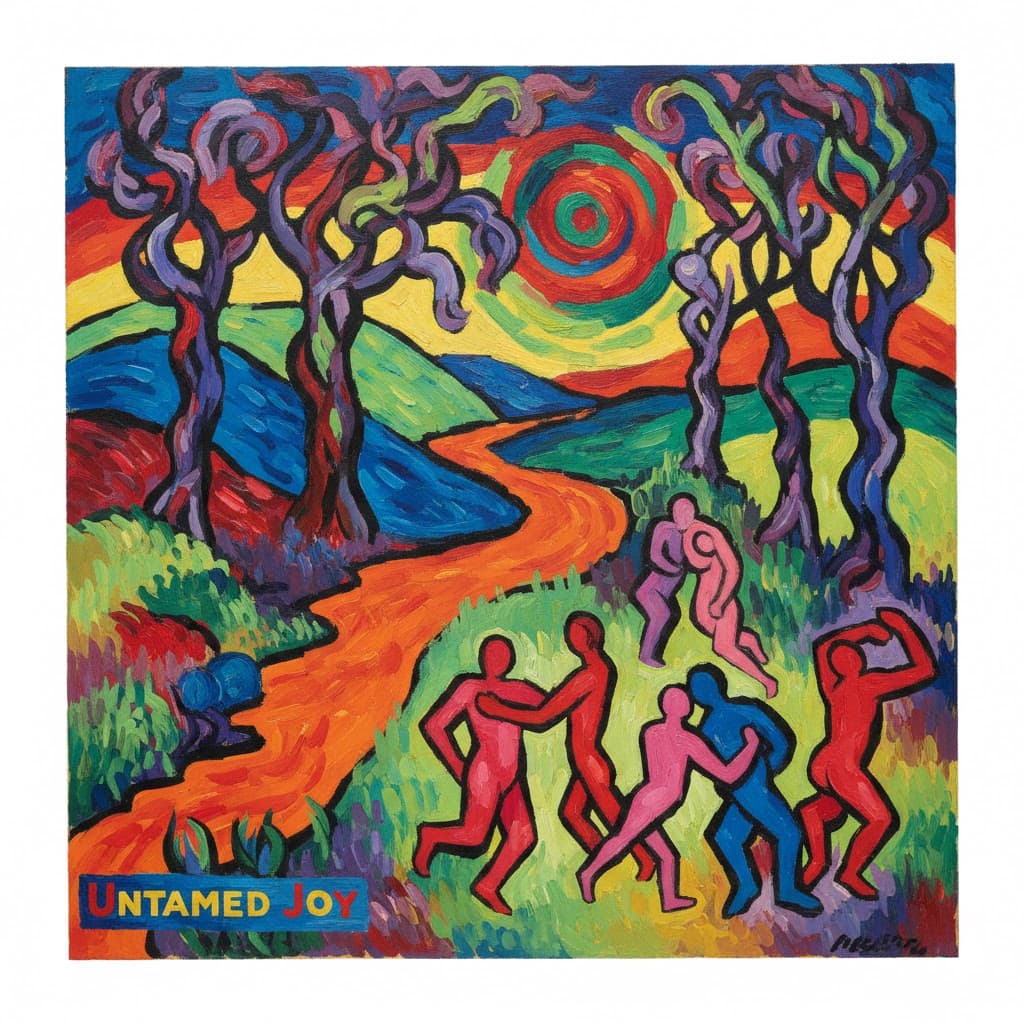
Fauvism, using intense, primitive colors unrelated to actual colors
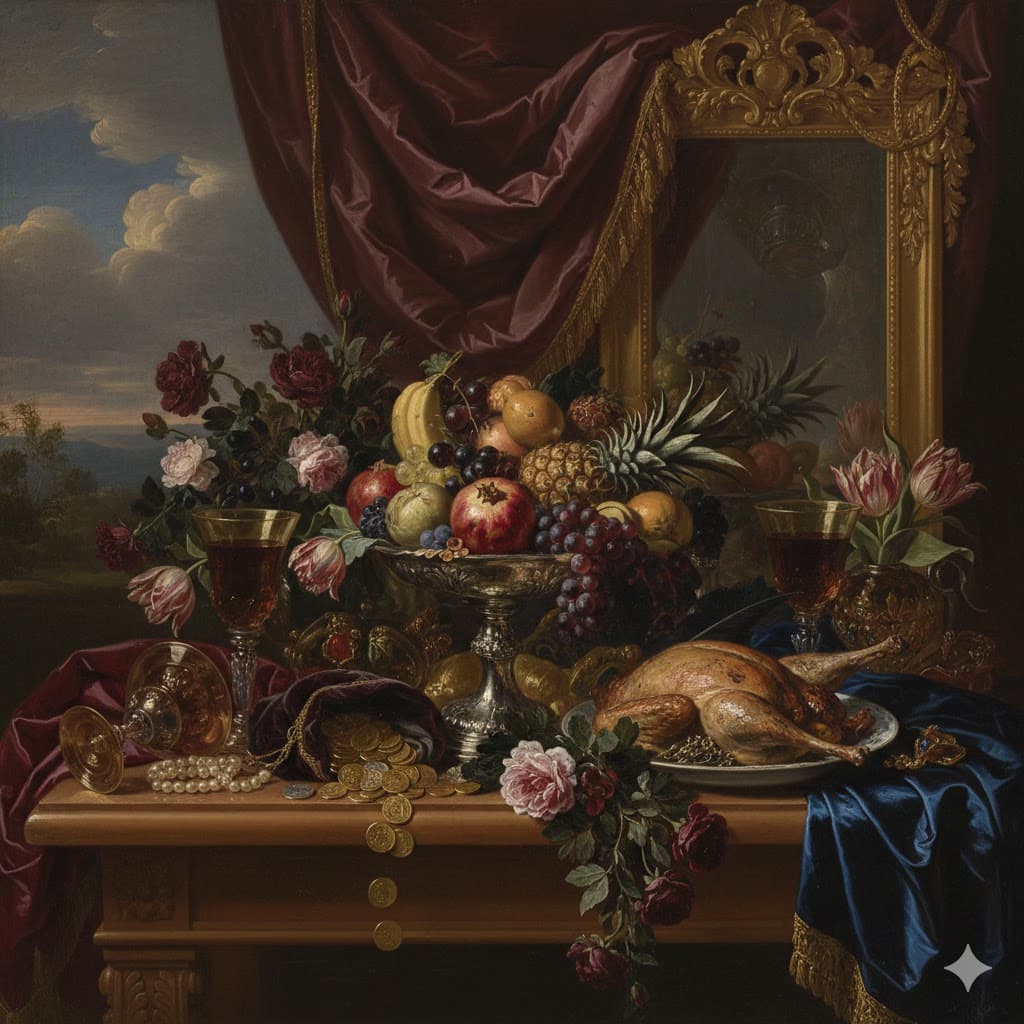
Baroque, dramatic contrast of light and dark with dynamic compositions, Rembrandt/Caravaggio style
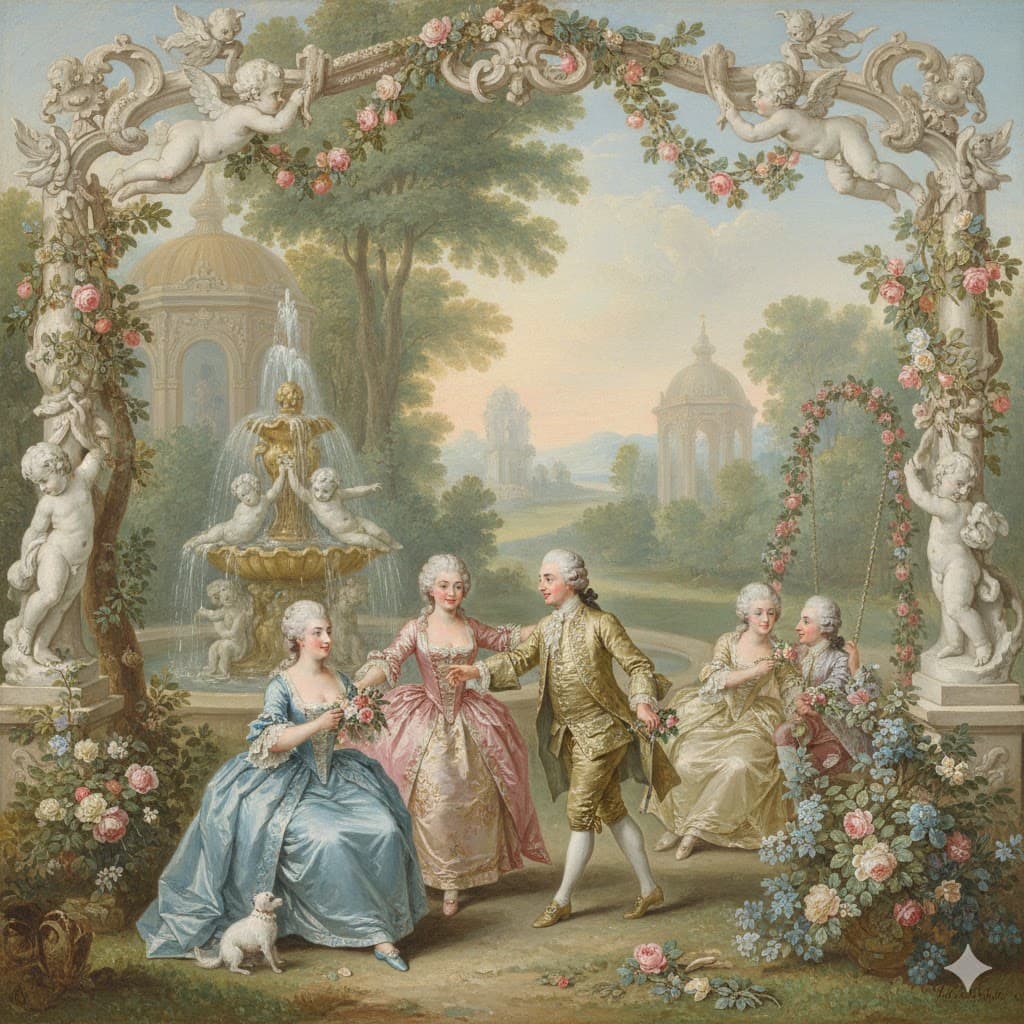
Rococo, a pastel-toned, ornate, dreamy aristocratic style
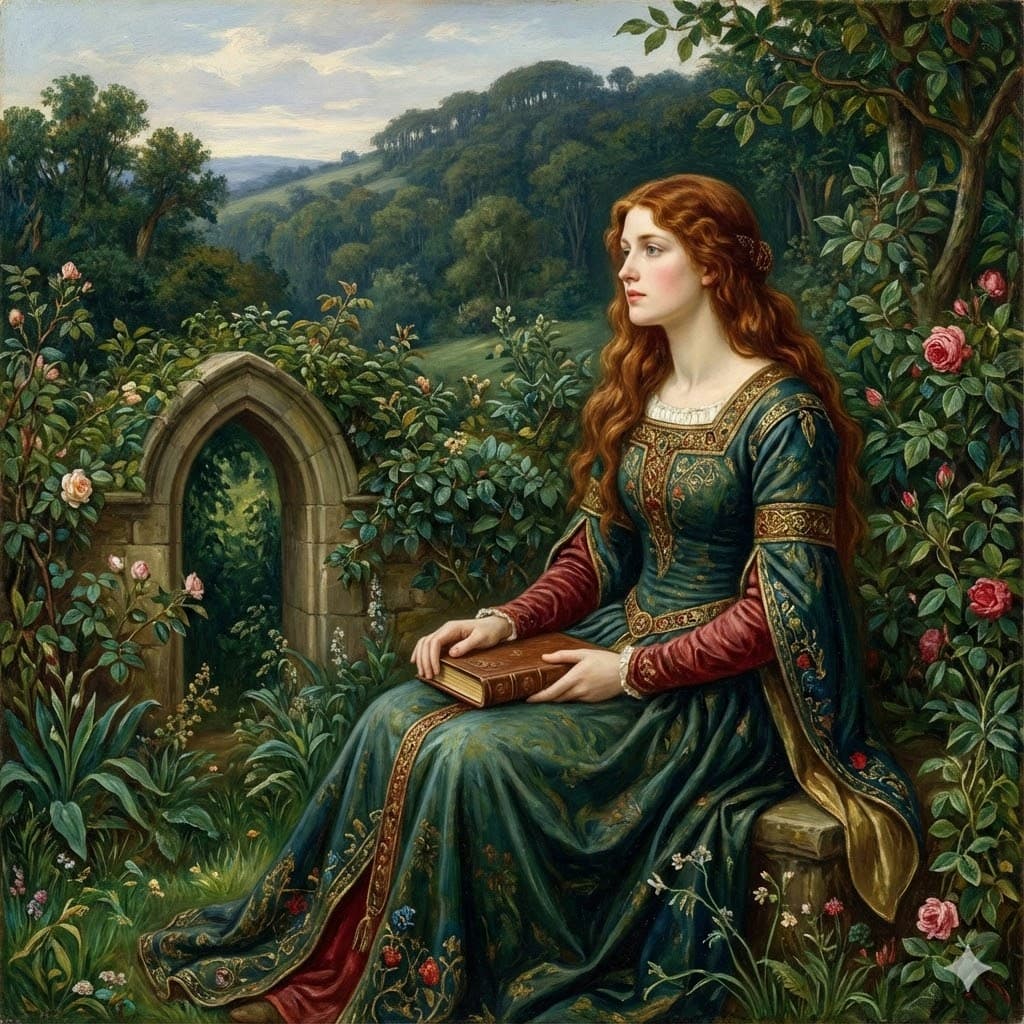
Pre-Raphaelite, mythical, romantic, and extremely detailed depiction
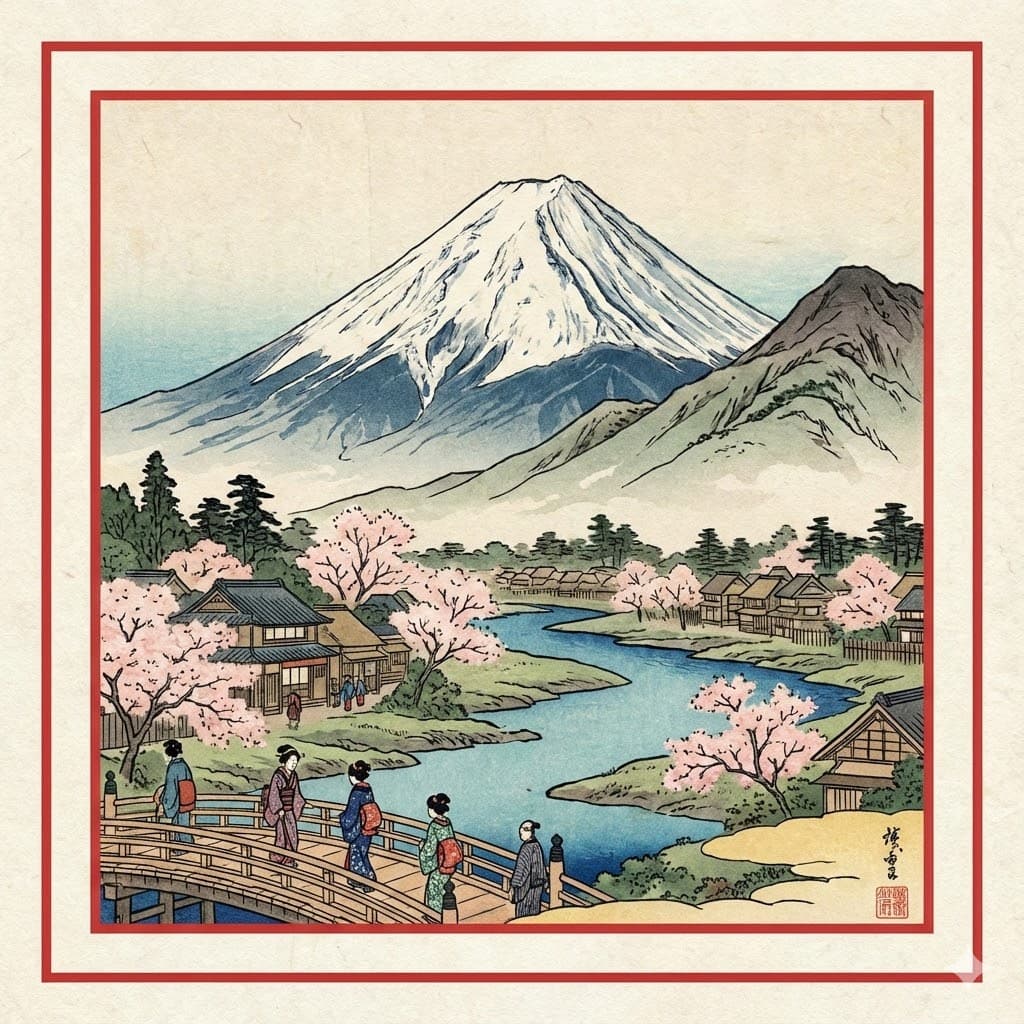
Ukiyo-e, Japanese woodblock prints, with bold outlines and flat coloring
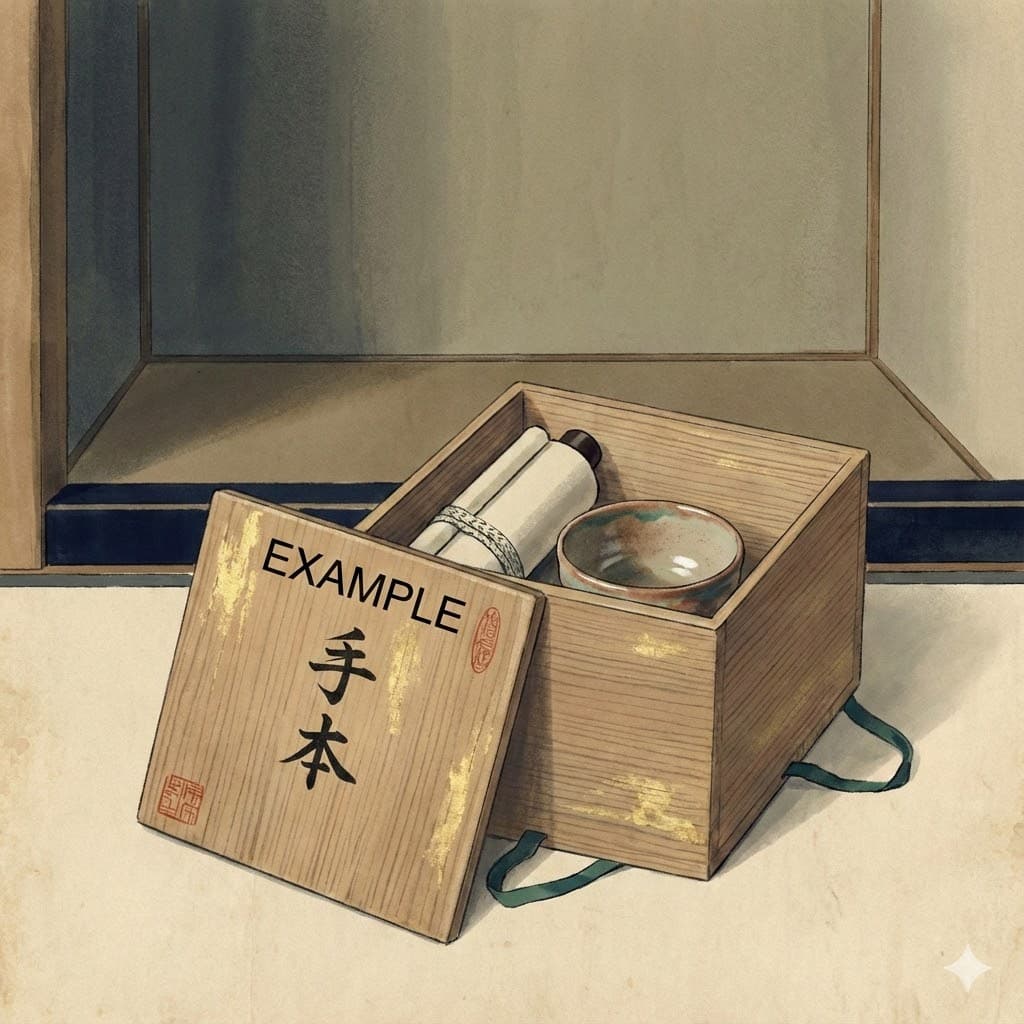
Nihonga, East Asian painting using mineral pigments, with a subtle, luxurious sparkle
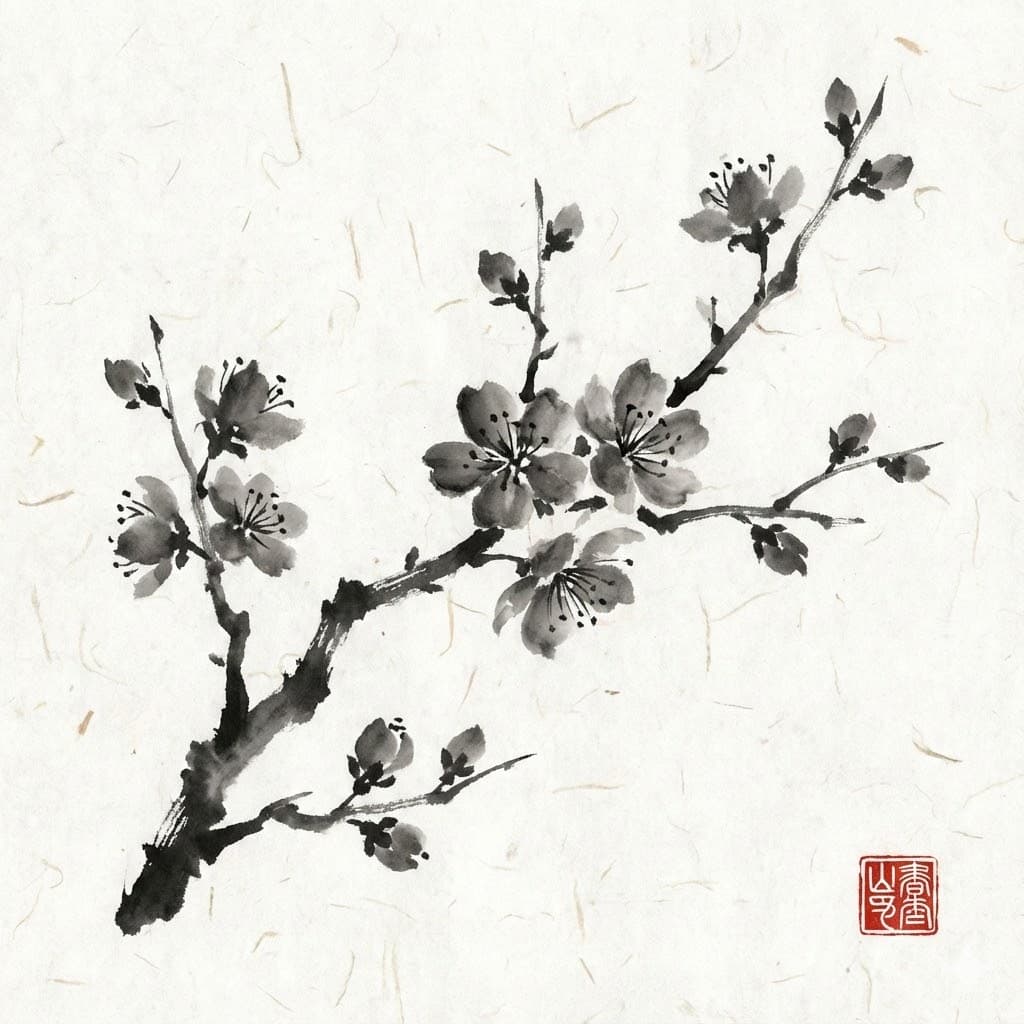
Ink wash painting, beauty of empty space and control of ink tones